







Introduction:The Ethiopian birr has continued to depreciate, leading to a significant rise in coffee export prices—particularly, the unit price of Grade G1 coffee beans increased by over 5% within just one week. This article delves into local foreign exchange policy adjustments, regional pricing control mechanisms, and exchange rate trends to help coffee enthusiasts and traders stay on top of the latest market developments and make more informed purchasing decisions.
The National Bank of Ethiopia recently attempted to narrow the gap between the official and black market exchange rates by holding foreign exchange auctions involving 27 banks. However, the downward trend of the birr’s sharp depreciation has not been reversed, further fueling domestic inflation—with the coffee industry being the most significantly affected. To stabilize the market, the Ethiopian Coffee and Tea Authority, in collaboration with the National Bank, has set minimum export floor prices for various producing regions. Within a short period, the price of Grade G1 coffee beans has risen by approximately 5%, while some commercial grade beans have seen increases as high as 14%.
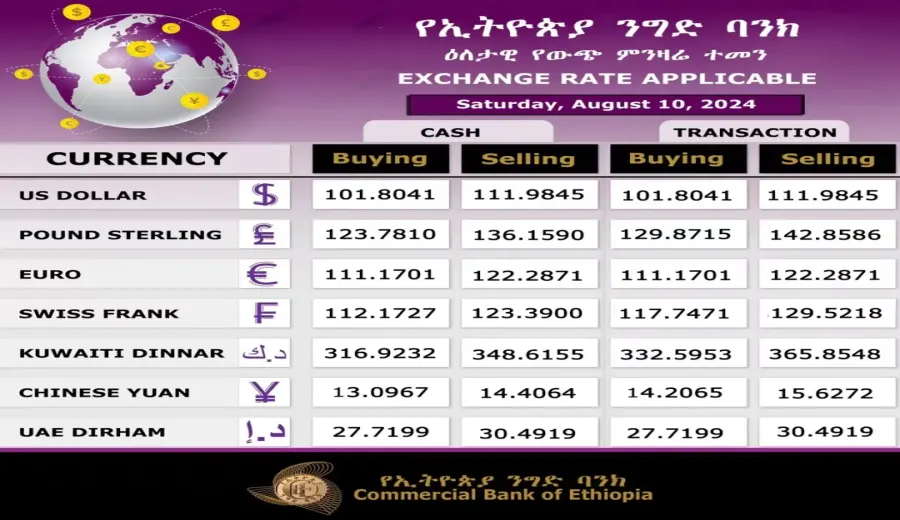
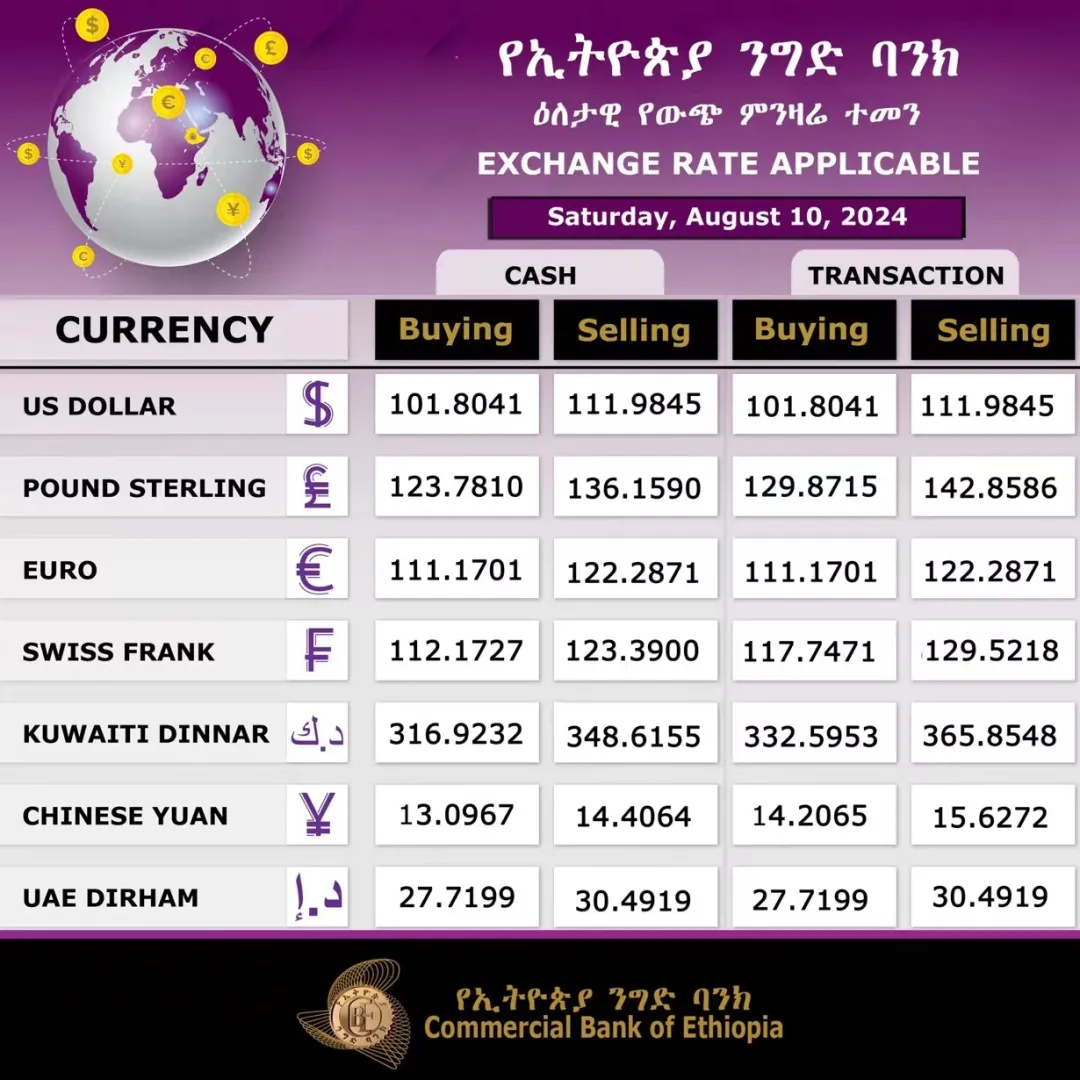
On August 9, the National Bank of Ethiopia held a foreign exchange auction with an average exchange rate of 107.9 birr per US dollar. The move aims to gradually align the official exchange rate with the black market rate, encouraging businesses that previously traded in the parallel market to return to formal channels. Nevertheless, despite regulatory efforts, the birr has continued to show significant depreciation overall. According to data from Commercial Bank of Ethiopia, the dollar buying rate has risen from 101.80 birr to 111.98 birr, indicating ongoing heavy market pressure.
The drastic fluctuation in exchange rates has had a comprehensive impact on domestic prices, particularly affecting industries that heavily rely on imported raw materials. Ethiopia’s manufacturing sectors—including food, beverages, textiles, and leather—depend on imports for around 40% of their raw materials. As import costs rise, the final prices of end products have also climbed accordingly.
In the service sector, frequent internal conflicts in Ethiopia and a rising number of kidnapping incidents have led to decreased willingness among international tourists and traders to visit. Ethiopian Airlines has publicly stated that international ticket prices will be adjusted according to the birr exchange rate. While domestic flight prices have not yet increased, they may also follow suit in the future due to foreign currency expenses such as aircraft maintenance and spare parts procurement.
Looking at Ethiopia’s economic structure, agriculture is the main source of export earnings, yet it faces severe challenges. Agricultural inputs such as fertilizers, pesticides, herbicides, and seeds are almost entirely imported, leading to persistently high production costs and consequently pushing up the prices of agricultural products—including coffee. As one of the country’s most important export agricultural products, coffee is naturally among the first to be impacted.
To mitigate exchange rate risks and stabilize export revenues, the Ethiopian Coffee and Tea Authority and the National Bank have jointly established minimum export floor prices for coffee by region and grade, requiring all export contract prices to remain above these standards. For example, as of July 28, the price range for Grade G1 coffee beans was approximately $3.75 to $3.83 per pound. However, by early August, as the exchange rate continued to climb, prices quoted on August 4 had risen to $3.94 to $4.02 per pound—an increase of about 5% month-on-month. Some commercial grade beans even saw price hikes exceeding 14%. It’s worth noting that these prices are only reference benchmarks, and actual transaction prices may rise further due to factors such as shipping costs and taxes.
Experts point out that Ethiopia’s capacity to generate foreign exchange remains relatively limited. Although the government has pledged subsidies for essential goods such as fuel, fertilizers, medicines, and cooking oil, the actual scope of subsidies is narrow and details remain unclear. The market generally believes such measures are insufficient to sustainably support the broader economy and export industries. As a result, prices of major export commodities like coffee are likely to continue rising, meaning international buyers will need to carefully assess purchasing timing and cost structures.
Overall, the impact of Ethiopia’s exchange rate crisis on the global coffee market is gradually becoming apparent—especially concerning the supply and pricing of high-quality Grade G1 and commercial grade beans. Industry insiders advise coffee enthusiasts and traders to closely monitor origin policies and market changes, and to adjust purchasing strategies in a timely manner to prepare for potential future price fluctuations.
The above content is compiled by CoffeeHunters, a coffee news website.


