







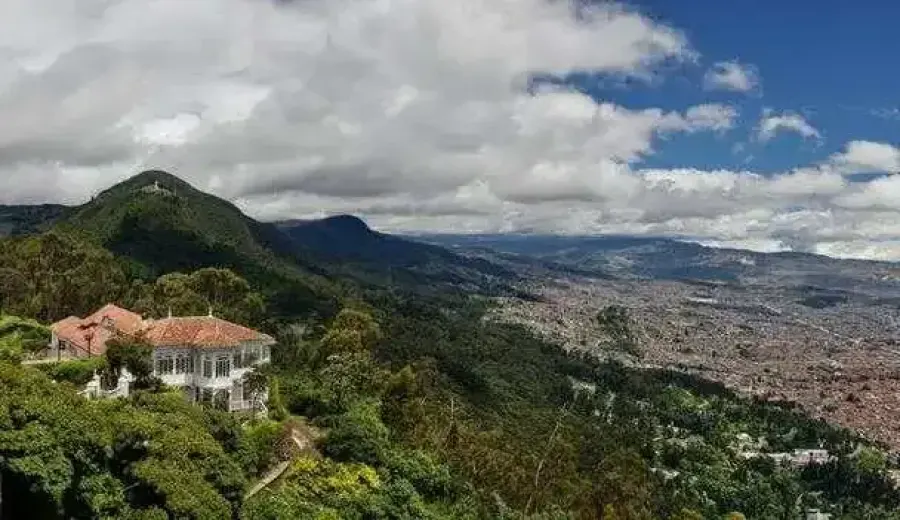
Introduction:The Antioquia region of Colombia is one of the country’s key coffee-growing areas, boasting exceptional geographical conditions and a long history of cultivation. This article delves into the geography of Antioquia, the influence of FNC on the industry, and highlights how La Palma Estate and the Chiroso variety have emerged in the specialty coffee scene. It also explores the outstanding performance of this region in the 2023 COE competition, along with the flavor characteristics of its coffees and brewing recommendations.
As a globally renowned coffee-producing nation, Colombia owes its status as the world’s third-largest coffee producer to its three parallel Cordillera mountain ranges and mineral-rich volcanic soils. Among its many coffee-growing regions, Antioquia in the north-central part of the country not only has high production volumes but is also increasingly making its mark in the specialty coffee sector. This article will take you through the historical context of Colombia’s coffee industry, including the background and role of FNC, before diving into the geographical and climatic advantages of Antioquia—especially focusing on the rise of La Palma Estate and the Chiroso variety. It also covers the variety’s impressive achievement of placing 8th with a score of 89.39 in the 2023 Colombia COE competition.
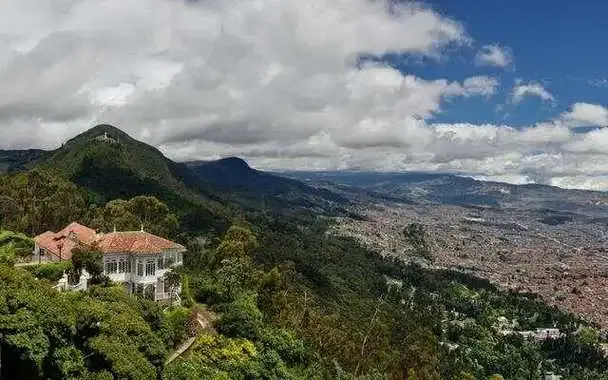
South America is rich in natural resources, especially the Andes Mountains that run along its western edge. Home to Aconcagua, the highest peak in the Americas, the region is also one of the most volcanically active areas in the world. This geological backdrop, combined with a generally tropical climate, has created diverse environments ideal for coffee cultivation. As a result, countries such as Brazil, Colombia, and Ecuador have become major coffee exporters. Colombia’s mountain systems—particularly its three north-south oriented Cordillera ranges—offer numerous high-altitude growing zones. The surrounding volcanic soils are crucial factors in producing Arabica coffee with complex and rich flavors.
Due to its varied topography, Colombia features a range of microclimates—from the tropical rainforest climate of the eastern plains, to the subtropical conditions found in mountainous areas between 1,000–2,000 meters above sea level, to the tropical savanna climate of the northwest. This allows coffee farms at different elevations to ripen in stages throughout the year, resulting in an almost year-round harvest season. Typically, the main harvest season runs from October to January each year, followed by a secondary season from April to July, ensuring a more continuous coffee supply.
However, the development of Colombia’s coffee industry has not been without challenges. Historical records indicate that coffee was first introduced around the 18th century by Jesuit missionaries, who initially tested cultivation in the Antioquia region before gradually expanding it nationwide. The Thousand Days' War from 1899 to 1903 severely impacted coffee farming, leading to abandoned plantations and labor shortages. In the post-war period, the government began dividing uncultivated land into small plots and selling them cheaply to farmers for crops like coffee. But the limited bargaining power of small-scale farms in the international market prompted coffee growers to organize themselves voluntarily in 1920, eventually leading to the official establishment of the Federación Nacional de Cafeteros de Colombia (FNC) in 1927—a government-backed organization dedicated to improving coffee quality and global competitiveness. To this day, it remains one of the most influential coffee organizations in the world.
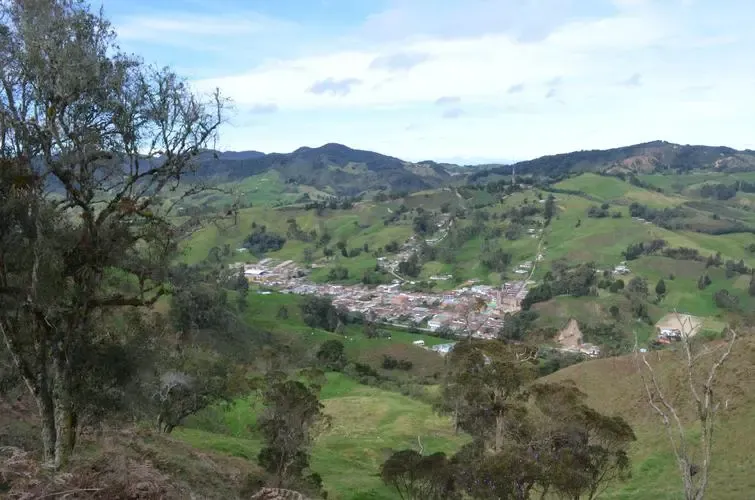
Colombia is home to several well-known coffee-growing regions, including Cauca, Santander, Antioquia, Nariño, Tolima, and Huila. Among them, Antioquia is located in the north-central part of the country, where the high-altitude environment of the Andes Mountains meets the warm air currents from the Caribbean Sea. Most coffee-growing areas here sit between 1,300 and 2,200 meters above sea level. This environment provides stable temperatures and moderate rainfall, making it highly suitable for Arabica coffee cultivation. It is also the country’s largest Arabica coffee-producing region and a major export hub.
Although Antioquia is known for its stable production volumes, there are still many estates in the region that focus on specialty coffee, with La Palma Estate in Santa Barbara standing out as a prime example. Owned by the Echavarría family, the estate was primarily engaged in large-scale commercial coffee production until about a decade ago when it shifted toward the specialty coffee path, striving to enhance both quality and uniqueness. Around ten years ago, the family discovered the Chiroso variety in the town of Urrao and subsequently introduced it to the Santa Barbara area, actively promoting it among neighboring regions. In 2023, La Palma Estate participated in the Colombia Cup of Excellence (COE) competition with the Chiroso variety. Thanks to its outstanding flavor profile, it received high praise from judges and ultimately ranked 8th with a score of 89.39, proving the exceptional potential of this variety.
The Chiroso variety has garnered increasing attention in the specialty coffee community in recent years due to its unique processing traits and flavor profile. It often exhibits pronounced fruity notes such as berries and citrus, accompanied by a smooth sweetness and complex layers of spice. It is particularly well-suited for pour over enthusiasts who appreciate layered and distinctive flavors. For brewing, it is recommended to use a medium-light roast, with a grind size of about medium-fine (e.g., 0.8–1.0 mm), and water temperature controlled between 90–93°C. A staged extraction method is advised—for instance, starting with a 30% bloom pour to wet the grounds, followed by a 30-second bloom, then continuing with subsequent pours—to help fully highlight its delicate fruit aromas and balanced acidity.
The above content is compiled by CoffeeHunters, a coffee news website.


