







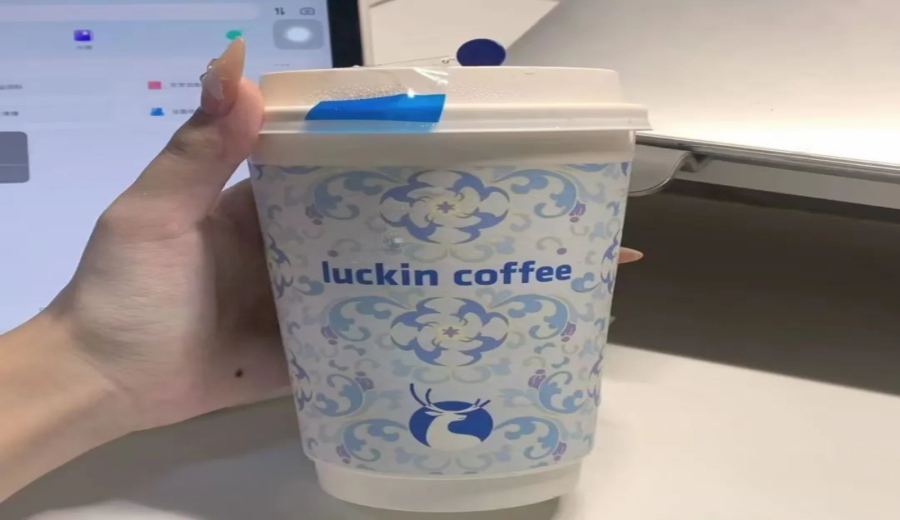
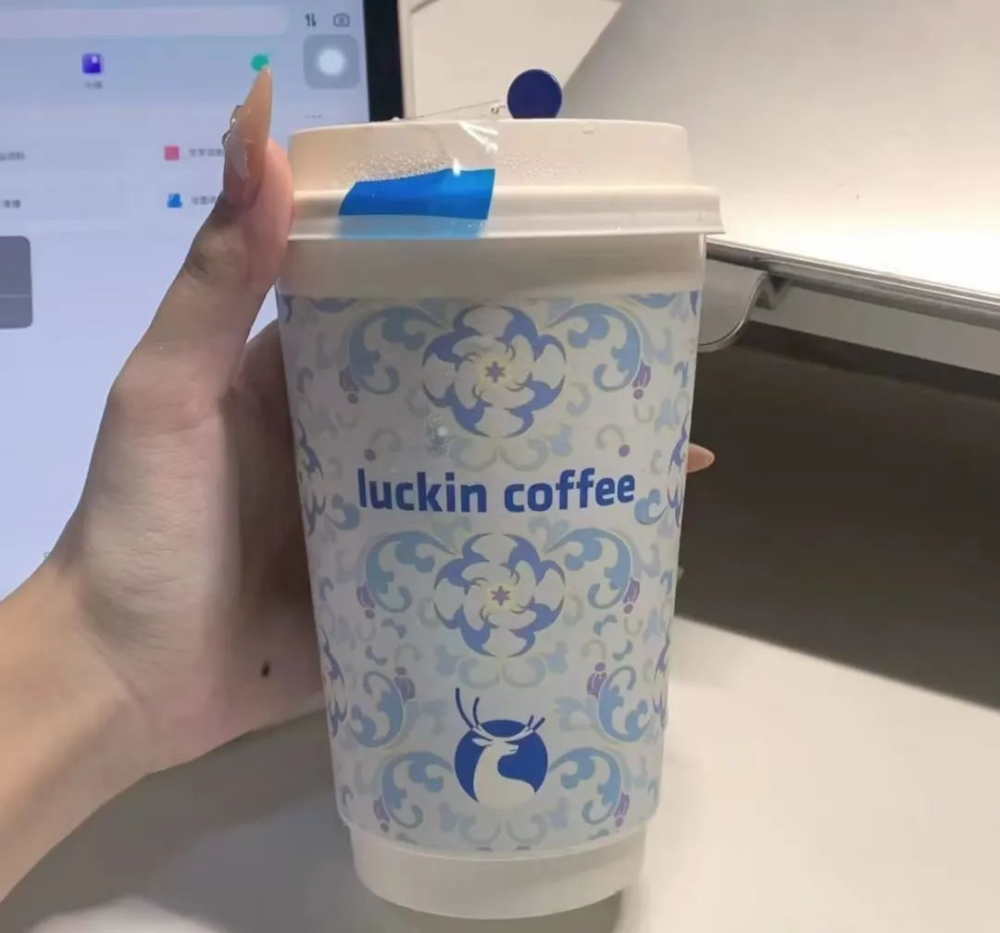
Introduction:Recently, Luckin Coffee’s Light Jasmine Milk Tea has seen a surge in popularity thanks to celebrity endorsement by Liu Yifei. However, many consumers have noticed white sediment at the bottom of the cup and described the taste as powdery. Is it due to undissolved tea powder, simplified production processes, or issues with dairy ingredients? This article delves into the causes of the sediment, differences in preparation methods, and offers tips on identification and selection to help you better understand the quality of tea beverages.
After announcing Liu Yifei as its brand ambassador, Luckin launched the Light Jasmine Milk Tea, which quickly became a bestseller, attracting a large number of customers eager to try it. However, some customers noticed white particles or sediment at the bottom of the drink and described the texture as noticeably powdery, falling short of the smooth experience they expected from a typical milk tea.
According to an insider at Luckin, the jasmine tea in this milk tea is not made from freshly brewed leaves but uses pre-prepared tea powder. In addition, to speed up service, some stores opt to stir the ingredients rather than using the traditional shaking method with a shaker cup, which may result in the tea powder and other components not fully dissolving, leading to sediment at the bottom of the cup.
Many consumers tend to believe that these white particles may come from dairy products, such as residues from milk or light milk, raising concerns about the quality of the ingredients themselves. Although some users have inquired about this phenomenon through the Luckin mini-program customer service, the response was simply that it is “normal.” Frontline staff also admitted that sediment can indeed occur in this product.
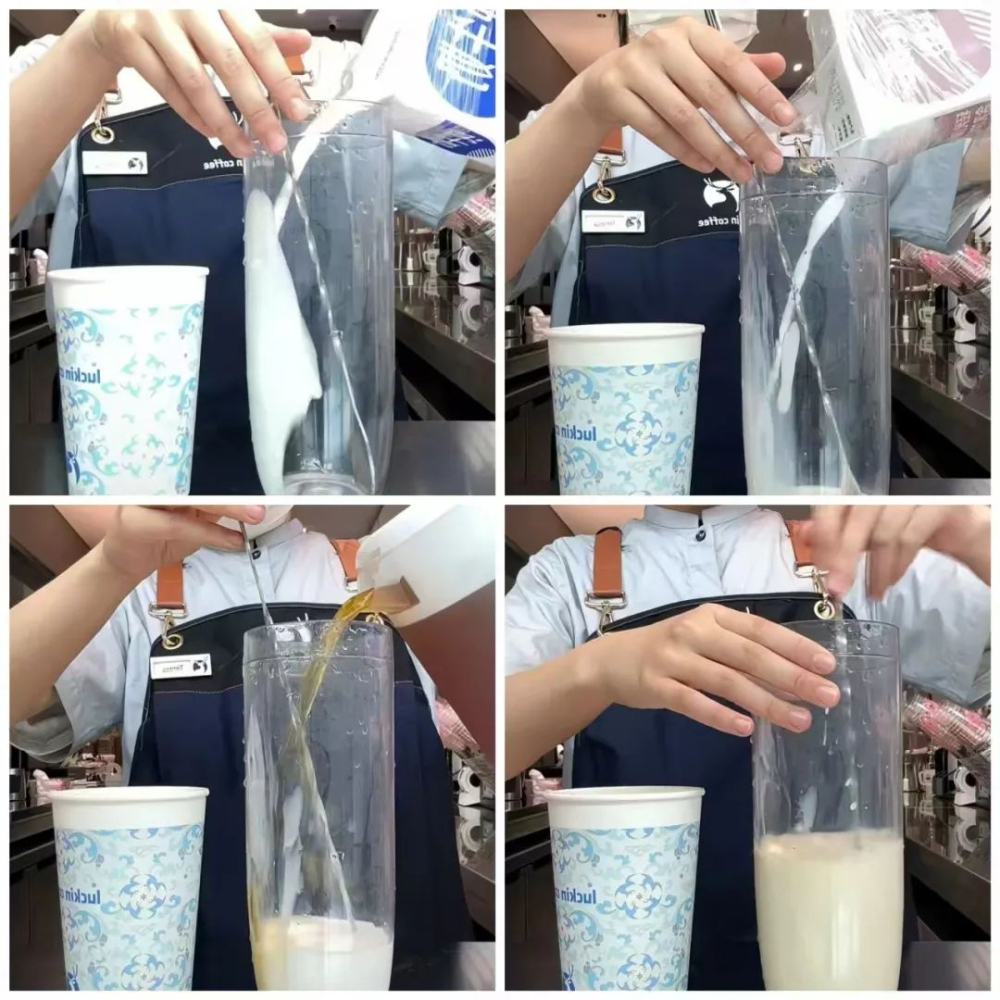
In terms of the preparation process, according to videos shared by employees, the Light Jasmine Milk Tea is generally mixed in the following order: syrup, milk, light milk, and jasmine tea, all of which are placed in a shaker cup and then poured into the cup. This process is not much different from that of a typical bubble tea shop. However, the key point is that, according to standard operating procedures, all ingredients should be thoroughly shaken in the shaker cup to ensure a uniform and particle-free mixture.
However, faced with high-volume demand, some stores may skip the shaking step for efficiency and instead mix the ingredients with simple stirring. This approach can easily lead to incomplete blending of the tea powder or dairy components, ultimately leaving sediment at the bottom of the cup. This non-standard preparation method is also one of the reasons why consumers question the taste and quality.
Regarding the source of the white particles at the bottom of the cup, some consumers, based on the ingredient information disclosed by Luckin, speculate that the sediment may come from dairy products, suspecting improper quality or processing of the milk or light milk. Although staff explained that the particles might be undissolved tea powder, consumers remain uneasy about the final presentation of the product.
It is worth noting that many tea beverage brands emphasize a combination of “fresh milk + freshly brewed tea” in their marketing, further shaping consumer expectations that milk tea should have a clear and smooth taste. In contrast, Luckin’s version using tea powder may seem, to some consumers, to fall short of the high-quality image that dominates the market, especially in terms of taste and clarity.
This incident highlights consumers’ growing emphasis on transparency in the preparation of tea beverages, as well as their sensitivity to ingredients and processing methods. Most first-time tasters have expressed dissatisfaction with the “powdery feel” of the Light Jasmine Milk Tea and hope the brand will further tighten control over ingredient quality and preparation processes to ensure each cup meets expected taste standards.
As of now, Luckin has not provided a detailed explanation or response regarding the sediment and powdery taste issue at the bottom of the cup. Consumers may want to pay extra attention to the appearance and taste of the beverage when making a purchase and decide based on their own tolerance levels.
The above content is compiled by CoffeeHunters, a coffee news website.


