







Introduction:The escalation of internal armed conflict in Ethiopia, coupled with the disruption of access to Somali ports, is posing serious challenges to the country’s vital coffee exports. This article delves into the diplomatic struggles behind the blocked Berbera Port agreement, the impact of the Red Sea crisis on the Port of Djibouti, and how these factors are directly driving up logistics costs and risks for coffee. It aims to help you stay informed on the latest developments in Africa’s coffee supply chain.
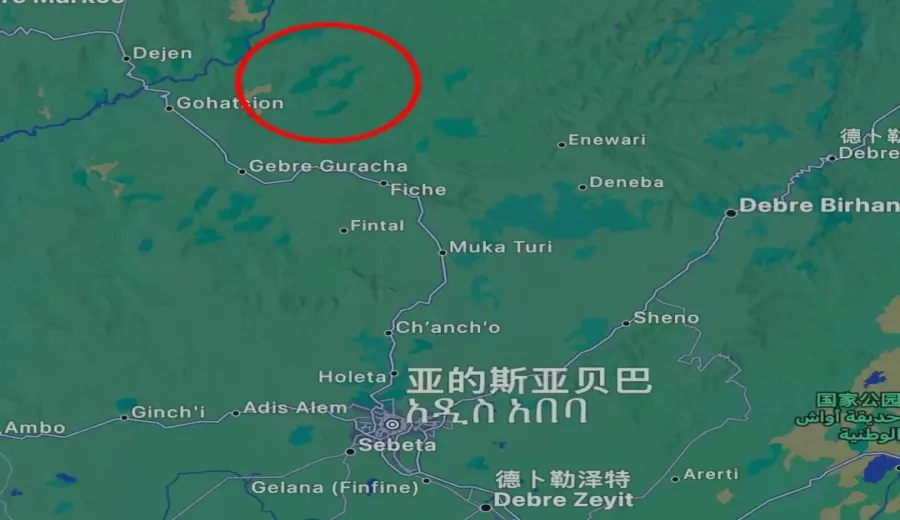
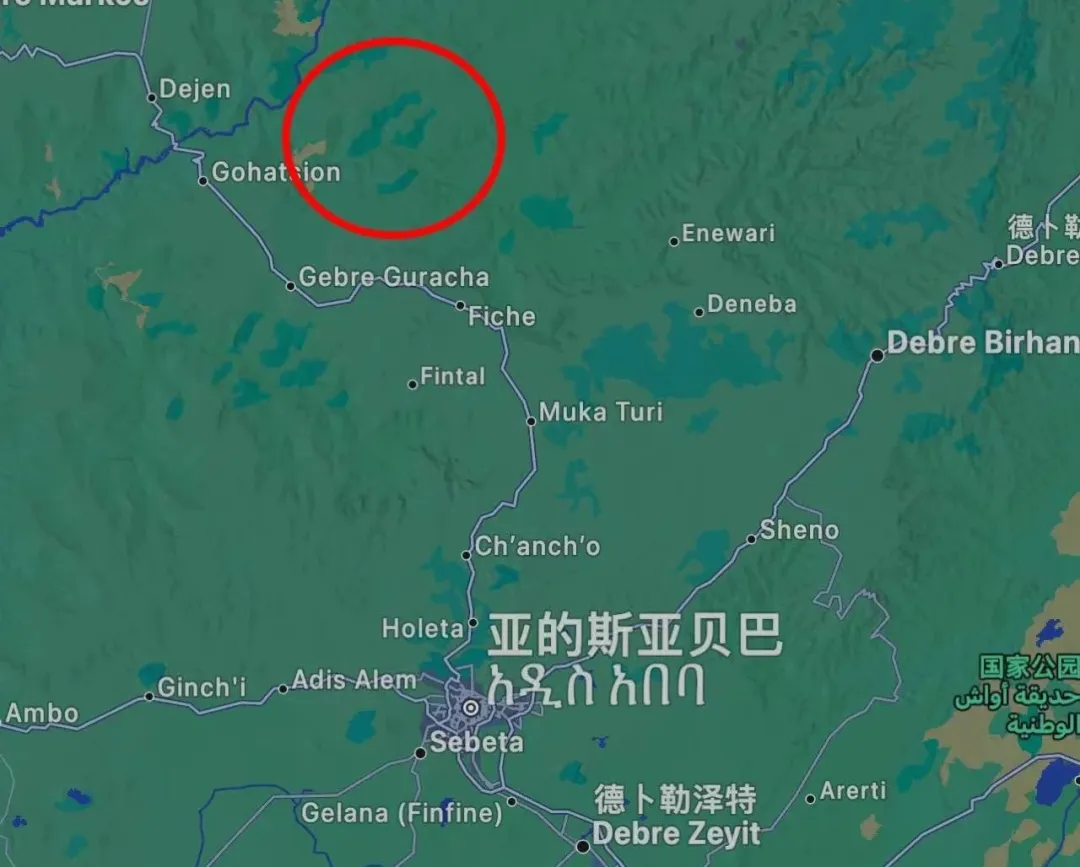
In Ethiopia’s North Shewa Zone, the Dara region has recently seen renewed intense fighting. Clashes between the Fano forces and government troops have resulted in at least three civilian deaths, multiple injuries, and forced large numbers of residents to flee their homes. This area, long contested by various armed groups, is now experiencing intensified combat that not only affects local livelihoods but also introduces uncertainty into the coffee industry, which relies on stable supply chains.
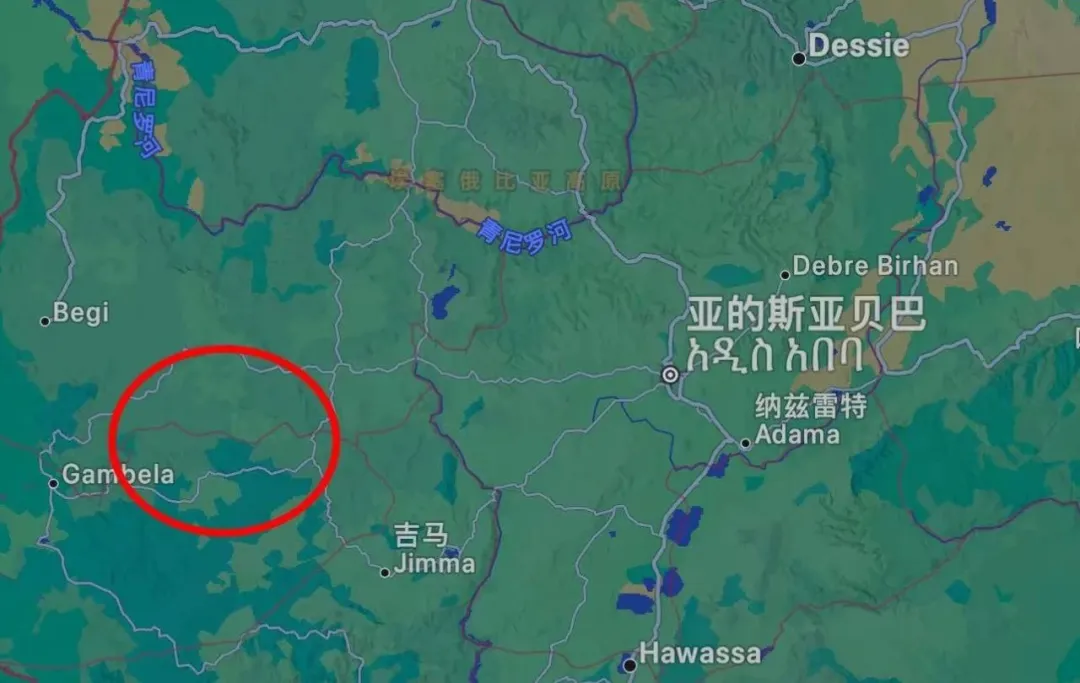
Parallel to the civil unrest, tensions between Ethiopia and neighboring Somalia have also been escalating. In Somalia’s central Galmudug region, two trucks carrying Ethiopian firearms were recently intercepted, reportedly carrying around 4,000 light weapons and a significant amount of ammunition. The suspected illegal arms shipment was attacked by militiamen while being transported to the capital, Mogadishu, by the Somali National Intelligence and Security Agency, leading to the deaths of ten security personnel and prompting immediate armed clashes. Although the Ethiopian government has not yet responded officially, this incident has further deepened the rift in mutual trust between the two countries.
Caught between internal strife and external pressures, Ethiopia’s coffee exports are facing unprecedented logistical bottlenecks. In the past, over 90% of the country’s cargo relied on the Port of Djibouti, but since March this year, the Mediterranean Shipping Company (MSC), which accounted for 80% of the port’s traffic, temporarily suspended services. Though services resumed later, they were significantly reduced. By early July, MSC announced the complete termination of its operations at the Port of Djibouti, forcing Ethiopia to urgently seek alternative solutions.
In February this year, Ethiopia’s Prime Minister signed a memorandum with the regional government of Somaliland, securing access to the northern Port of Berbera. The deal includes potential future recognition of Somaliland’s independence — a condition that has immediately drawn strong protests from the Somali federal government, which condemned it as a violation of sovereignty and led to a deadlock in negotiations. Although Turkey subsequently mediated and the three parties held talks in Ankara on September 2 in an attempt to ease tensions, a series of armed incidents related to Ethiopia have been reported in Somalia recently, adding further uncertainty to the potential activation of the Berbera Port.
For coffee farmers and exporters, port instability is directly driving up transportation risks and costs.The average shipping cost per kilogram of coffee beans at the Port of Djibouti is about $0.12, but diverting to other East African ports could increase fees by more than 30%.What's more challenging is that goods may be intercepted during overland transport to the ports due to worsening local security conditions.Over the past six months, there have been at least five reported attacks on caravans in central Somalia.These incidents further exacerbate supply chain uncertainties.
Professional trade insiders advise that when sourcing Ethiopian coffee, special attention should be paid to logistics clauses, prioritizing contracts that offer war risk and delay compensation coverage. At the same time, it’s essential to monitor progress in intergovernmental negotiations.If the Berbera Port becomes operational, it could shorten shipping times by about 4–5 days and reduce container costs by approximately $150–200 per unit.However, under current circumstances, it is advisable to diversify port reliance risks and evaluate the feasibility of transshipment through Kenya’s Port of Mombasa.
In summary, Ethiopia’s coffee industry is at a critical crossroads. With ongoing armed conflict, strained diplomatic relations, and a port crisis creating a triple pressure, the situation is not only affecting short-term export volumes but may also reshape the global coffee supply landscape. Both consumers and traders need to closely watch developments over the next few months to prepare for possible price fluctuations and supply shortages.
The above content is compiled by CoffeeHunters, a coffee news website.


