








Introduction:Thanks Tea, which once gained attention through Ma Dong and the band New Pants and rose to fame with nearly 70-yuan premium milk tea, has now closed all its stores. What has this brand gone through from internet sensation to complete store shutdown? This article delves into the journey of Thanks Tea—from its explosive rise, price collapse, product cuts, to the failure of its smart milk tea stations—to help readers understand the operational challenges and market realities faced by celebrity-driven food and beverage businesses.
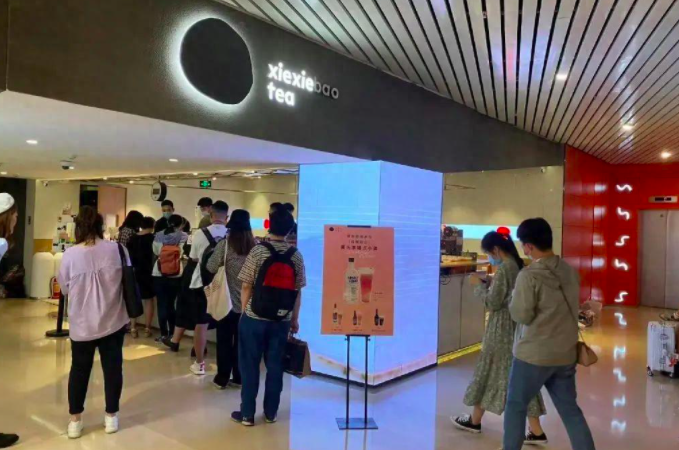
The tea beverage market has been shaken once again by news that the final physical store of Thanks Tea—invested in by well-known TV host Ma Dong—officially ceased operations on July 16, 2023, located in Dalang, Shenzhen. This marks the complete shutdown of all the brand’s offline stores nationwide. Launched in 2018, this celebrity-backed tea brand quickly gained massive popularity thanks to endorsements from figures like Ma Dong and the band New Pants. At one point, it even priced a single cup of milk tea at nearly 70 yuan, making it a rare example of a high-end milk tea product in the market.
However, with the impact of the pandemic and changes in consumer trends, Thanks Tea’s business took a sharp downturn. Its previously exclusive 68-yuan drink was gradually reduced in price to 23 yuan, while other regular milk teas mostly ranged between 12 and 20 yuan, aligning closely with prices of more affordable market brands. Meanwhile, the brand’s original lineup of baked goods—including various pastries priced between 18 and 88 yuan—was also entirely removed due to poor sales, leading to a full business contraction to pure tea offerings.
Facing difficulties in running physical stores, Thanks Tea attempted a transformation in 2022 by launching a smart milk tea station model. It claimed this would significantly reduce rent and labor costs, with plans to set up locations in first-tier cities like Beijing and Shanghai. At the time, the brand stated that this unmanned, automated sales method could improve operational efficiency and cut costs. However, market response fell short of expectations.Currently, there is no reliable information indicating that these smart milk tea stations are still in operation.Moreover, it has been reported that many smart stations in shopping malls have already been removed.
At the same time, Thanks Tea’s online operations have also nearly come to a halt. Its official Weibo account has not been updated since April 2021, the last post on its official WeChat public account was in December 2022, and its user-facing mini program was deactivated due to policy violations. As a result, consumers can no longer purchase products or access brand information through online channels.
The case of Thanks Tea is not an isolated one. In recent years, many celebrities have ventured into the food and beverage business. For example, GOODBAI CAFE opened by Bai Jingting attracted long queues due to fan support, yet its 21-yuan cookie—sold two pieces for that price—sparked heated discussion among consumers. Wang Hedie’s bakery also made headlines for a toast product priced between 88 and 118 yuan. These brands often quickly gather attention thanks to the star power at launch, but in the long run, without solid product strength, operational management capabilities, and quality control, they can easily lose their competitive edge.
In fact, the relatively low barrier to entry in the food and beverage industry has led many celebrities to choose it as their first entrepreneurial venture. Leveraging their own fame, new stores often quickly attract fans and media attention, and expansion can be rapidly achieved through franchising models. However, over time, practical operational issues such as daily store management, service processes, ingredient quality, and staff training gradually surface. Without robust backend support and continuous product innovation, businesses can easily hit operational bottlenecks, or even face closure.
In summary, Thanks Tea’s journey—from its initial premium internet celebrity positioning, to later price reductions and product line cuts, and finally to the unsuccessful smart transformation—reflects the vulnerability of celebrity-driven F&B brands when faced with market fluctuations and consumer expectations. For the industry, this serves as a crucial warning about the difference between traffic dividends and actual operational strength.
The above content is compiled by CoffeeHunters, a coffee news website.


