








Introduction:As one of the classic Italian-style coffees, the cappuccino is often associated with three key guidelines in its preparation: the "1:1:1 ratio," filling to "11/10 full," and the presence of a so-called "golden crema ring" on the surface. But where do these rules come from? And why has only the 11/10 full rule endured to this day? This article delves into the historical background and practical significance of these guidelines, helping readers grasp the essence of making an authentic cappuccino and the key points of its appreciation.
The cappuccino is an indispensable part of Italian coffee culture, and its classic image is always closely associated with the well-balanced layers of coffee, milk, and foam. Among the many claims about how to make a cappuccino, three guidelines are the most well-known: the ingredient ratio should be 1:1:1, the cup should be filled to 11/10 full, and the surface should display the so-called golden crema ring. However, the origins and actual meanings behind these rules are rarely deeply understood.
In fact, these three guidelines did not appear out of thin air but gradually took shape as the cappuccino evolved. The "1:1:1" refers to espresso, milk, and foam each occupying approximately one-third of the total volume. This ratio was initially designed based on the characteristics of early Italian espresso machines. At that time, extraction pressure was limited, and to fully release the flavors of the coffee, the liquid proportion was deliberately increased so that the coffee portion could make up about one-third of the cup.

As for the "11/10 full" rule, it describes the final volume of a standard cappuccino. This tradition calls for the cup to be almost completely filled, yet leaving a slight margin to avoid spillage, while also helping to maintain an appropriate drinking temperature and mouthfeel. This guideline has endured to this day and has become a practical standard followed by many baristas.
The "golden crema ring" refers to the golden-brown halo on the surface of the cappuccino, formed by the combination of fine microfoam and coffee crema. This visual feature not only enhances the aesthetic appeal of the drink but also reflects the integration of the foam texture and coffee oils. However, this characteristic does not necessarily appear in every cappuccino and is closely related to milk frothing technique, steam pressure, and latte art skills.
It’s worth noting that although both cappuccinos and lattes are types of Italian milk coffee, their origins and evolutionary paths are quite different. The cappuccino is a representative of native Italian beverages, with a history that can be traced back to before the invention of the Italian espresso machine. It is said that the early cappuccino was made with black coffee as the base, mixed with honey, spices, and fresh cream, and served in a glass. Because the cream floated on top of the coffee, creating an appearance similar to ice cream, and a delicate little spiky peak was piped on top—not only for aesthetics but also to make the whole drink look more enticing.

This early beverage, due to its overall reddish-brown hue and the shape of the spiky top, reminded people of the brown habits worn by Capuchin monks, hence the name "Cappuccino." The name originates from the Italian term for the monk order, "Capuchin." With the popularization of the espresso machine, this name was also carried over to the modern cappuccino, which is based on espresso.
The so-called "1:1:1" ratio actually refers to espresso, milk, and foam each accounting for roughly one-third of the total volume. At that time, because the extraction technology of coffee machines was not yet mature and the pressure was insufficient to fully extract the flavor compounds from the coffee, increasing the proportion of coffee liquid could more effectively bring out the aroma and taste of the coffee. This is also why, in early cappuccinos, the coffee portion could occupy one-third of the cup.
As for the 11/10 full rule, it is a practical consideration in how a cappuccino is presented. A standard cappuccino is usually served in a cup of about 180 to 200 milliliters, filled close to the rim but not completely overflowing, to ensure it’s not too hot to drink while also maintaining optimal flavor expression. This tradition has continued to this day and has become a guideline followed by many professional baristas.

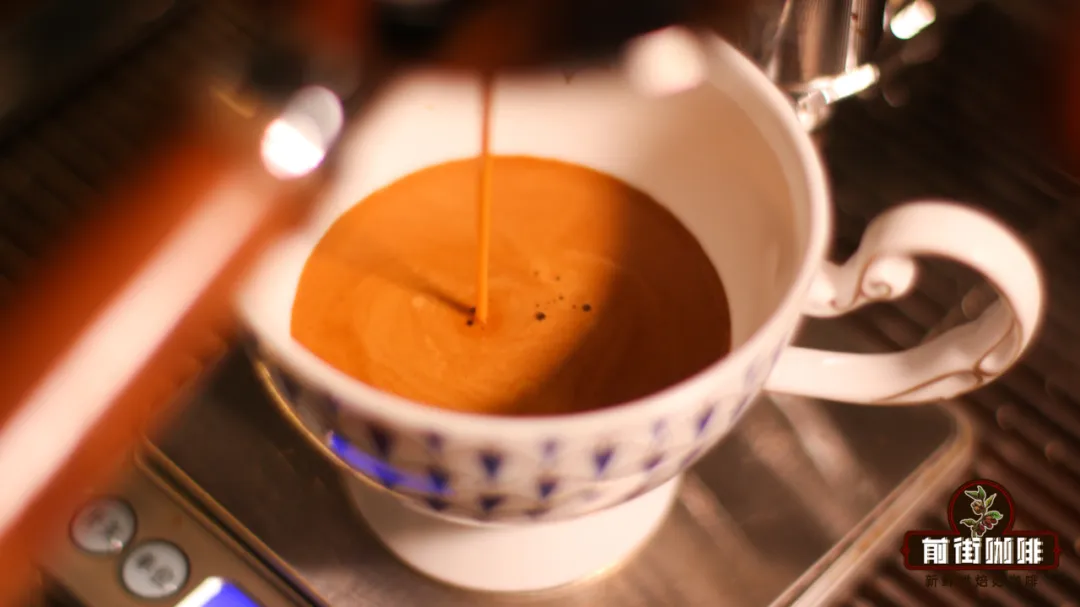
The formation of the golden crema ring depends on the fineness of the milk froth and the skill of the steaming process. When milk is properly frothed, its fine microfoam combines with the coffee crema to form a delicate golden-brown halo on the surface of the drink. This is not only a visual delight but also reflects the quality of the fusion between coffee and milk. However, this feature does not appear in every cappuccino and relies on the experience and skill of the barista.
Looking at the evolution of the cappuccino—from an early sweetened mixed drink to today’s classic Italian espresso-based coffee—its preparation guidelines have continuously adjusted over time. Although the three widely circulated guidelines—"1:1:1," "11/10 full," and the "golden crema ring"—are well known, only the 11/10 full rule is still widely followed today. Understanding the origins and practical meanings of these guidelines helps coffee enthusiasts more deeply appreciate and evaluate this classic beverage.

The above content is compiled by CoffeeHunters, a coffee news website.


