








Introduction:On a scorching summer day, a refreshing and crystal-clear cold brew coffee is a salvation for many coffee enthusiasts. But do you understand the core of cold brew extraction? This article will delve into the key brewing parameters of cold brew coffee, explore the essential differences between the two main preparation methods—cold steeping and ice dripping—and explain why 8 hours is the most commonly adopted golden extraction time. It also provides practical advice on bean selection, grinding, and ratio to help you easily master cold brew techniques and craft a cup with balanced flavor and rich layers.
Even though Liqiu (the Beginning of Autumn) has passed, the high temperatures in Guangdong continue to rage, with sweltering 37°C weather making everyone long for a cool and bold cup of cold brew. However, brewing an ideal cup of cold brew involves many details to watch out for—from bean selection and grinding to the brewing method—each step affects the final flavor profile.
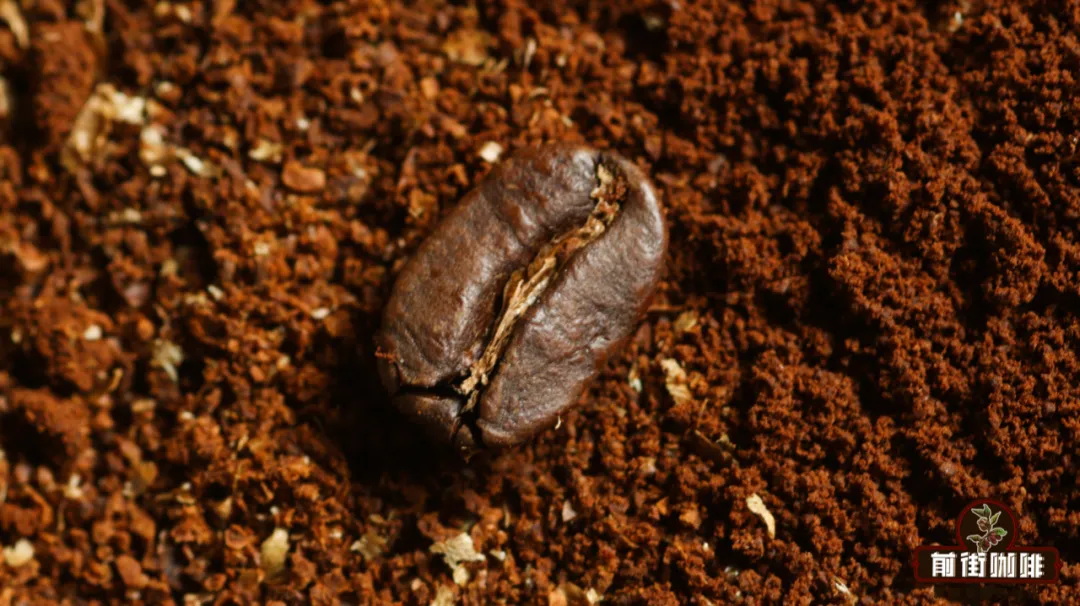
The primary key to making cold brew coffee lies in selecting the right coffee beans. Generally, medium to dark roasted beans are recommended, because in a low-temperature extraction environment, the sharp acidity often found in light roasts tends to stand out, whereas medium to dark roasts can present a rounder sweetness and a fuller body.The recommended coffee-to-water ratio is set between 1:8 and 1:12.If you prefer a bolder taste, you can opt for a 1:8 ratio; if you like a cleaner flavor, you can increase it to 1:12. In addition, grind size is also a factor not to be overlooked. The coffee grounds for cold brew should be slightly coarser than those for pour over, roughly the size of sea salt, which helps avoid excessive fine particles that could lead to unwanted bitterness.

When it comes to cold brew methods, the two most popular are cold steeping and ice dripping. Although both fall under low-temperature extraction, they differ significantly in their working principles and flavor profiles. Cold steeping involves mixing coffee grounds directly with cold water and letting it sit to infuse. The process is relatively simple, and the resulting brew tends to have a smoother, sweeter flavor but usually offers a simpler flavor layering. Ice dripping, on the other hand, allows melted ice water to slowly drip through the coffee grounds layer by layer. The entire extraction process is slower and more delicate, not only preserving aroma molecules more fully but also resulting in a cleaner, brighter cup with livelier acidity and distinct layers.
So why is the standard extraction time for most cold brews set at 8 hours? This is closely related to the extraction efficiency in a low-temperature environment. When the water temperature is low, the release rate of soluble substances from the coffee beans significantly decreases. If the extraction time is too short, the coffee may taste weak or carry the grassy, astringent notes of unripe beans. But if the time is too long, exceeding 12 hours, it could lead to an excessive infusion of woody fibers and bitter compounds into the coffee liquid. Therefore,8 hours is considered the optimal balance point between flavor and off-flavors.It is especially suitable for most medium to dark roasted beans. Of course, users can make fine adjustments based on actual grind size and coffee-to-water ratio, but 8 hours is indeed the reference starting point for most cold brew lovers.
Additionally, regardless of whether you use the cold steeping or ice dripping method for extraction, it is recommended to store the finished product properly in the refrigerator and consume it within 2 to 3 days to enjoy the best flavor experience. At the same time, when adjusting your recipe, feel free to experiment with different bean varieties, grind coarseness, and coffee-to-water ratios to find the cold brew cup that best suits your personal taste through continuous experimentation.
The above content is compiled by CoffeeHunters, a coffee news website.


