







Introduction:In recent years, luxury brands have been expanding into the market through cafés. From Shanghai to Beijing, coffee spaces launched by brands such as Vivienne Westwood, COACH, and Dior have attracted attention with their exquisite interiors and photogenic desserts. These outlets offer a wide range of prices, and customer experiences vary widely. This article delves into the market logic behind luxury brands venturing into coffee, consumer feedback, and the strategies at play.
In recent years, it has become a notable trend for luxury brands to branch out into the café business. From British designer brand Vivienne Westwood to American lifestyle brand COACH, from French luxury brand Dior to jewelry brand Tiffany, numerous high-end consumer brands have successively launched coffee shops or limited-time pop-up events in first-tier cities such as Shanghai and Beijing. These stores attract customers with their unique interior designs, branded tableware, and aesthetically pleasing desserts. Product prices range from twenty to over a hundred yuan, aiming to bridge the gap with the general public through a cup of coffee.
However, consumer evaluations of these luxury brand cafés show clear divergence. Some customers feel the ambiance justifies the cost, but many also point out that certain products feel lackluster and are overpriced. So, what market logic lies behind this wave of luxury brands crossing over into coffee? And what key issues do consumer feedbacks reveal?
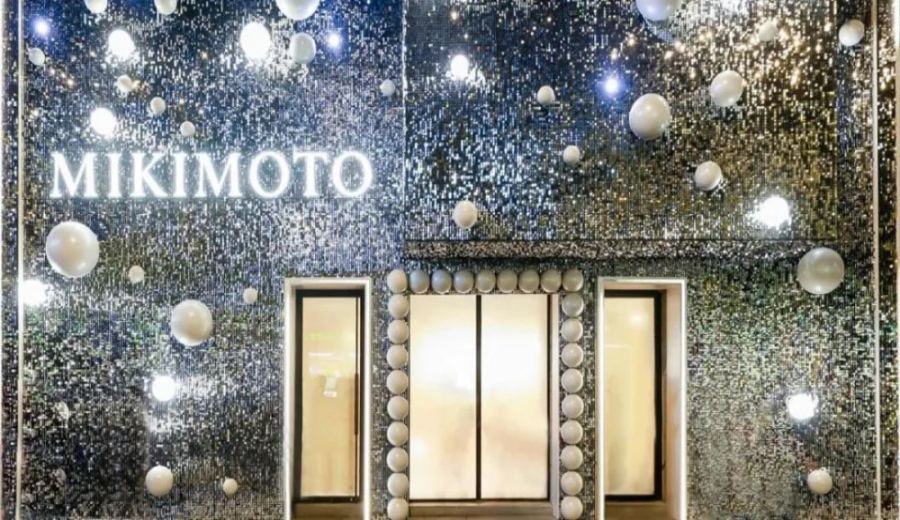
Recently, several high-end brands have announced their entry into the coffee business. Since July, Vivienne Westwood's café in Beijing’s Sanlitun Taikoo Li officially opened; shortly after, Japanese high-end jewelry brand MIKIMOTO launched its first coffee shop in Shanghai’s Zhangyuan. Soon after, COACH, known for its leather goods, opened its first café in China (The COACH Coffee Shop) in Shanghai’s Huangpu District. During Qixi Festival, Dior’s Miss Dior fragrance line even partnered with Grid Coffee for a limited-time pop-up in Beijing’s Sanlitun. For a moment, it seemed every luxury brand had set its sights on the coffee sector.
In fact, luxury brands venturing into the food and beverage industry is not new, and coffee is a particularly popular choice. Previously, Louis Vuitton and Dior respectively opened chocolate and coffee shops in Shanghai’s Qiantan Taikoo Li; Tiffany & Co. created its iconic Tiffany Blue coffee shop in Beijing’s SKP; last year, Swiss luxury brand IWC Schaffhausen also entered the coffee market; subsequently, brands like Maison Margiela and Ralph Lauren also incorporated coffee elements into their new stores.
Observations show that the menus of cafés operated by these high-end consumer brands generally feature a combination of “coffee beverages + desserts,” with product prices spanning a wide range—from twenty yuan to over a hundred yuan. Compared to traditional chain coffee brands, these luxury brand cafés place greater emphasis on spatial design and visual experience. Some cafés use branded tableware, and the desserts are highly appealing in appearance.
Although the pricing of these coffee products is relatively high compared to the average price under intense competition from domestic brands, compared to jewelry or high fashion that can cost tens of thousands or even hundreds of thousands of yuan, a cup of branded coffee or cake is clearly more accessible. It can be said that while luxury may not be attainable for everyone, luxury brand coffee offers a lower threshold for experiencing it.
Currently, diversifying into the food and beverage sector has become one of the important strategies for luxury brands to promote their image. The dense opening of cafés by these brands is not intended as a shift into the coffee business, but rather aims to use more accessible offerings like coffee and desserts to shorten the distance between the brand and consumers and attract new target audiences. If the market response is positive, it can further enhance brand exposure and keep the brand logo continuously visible to the public.
It is impossible to ignore that the “aesthetic check-in” lifestyle of sipping coffee with desserts has become a scene many contemporary consumers are enthusiastic about. Whenever news breaks of a luxury brand opening a café, it often sparks heated discussions on social media. However, when it comes to the actual dining experience, consumer evaluations vary greatly.
Some customers say that as long as the price is reasonable (not outrageously high), the product quality is acceptable, and the environment is attractive, they find the experience worthwhile; but other consumers believe that the pricing of these luxury brand cross-industry food ventures is already not low, and if, aside from the brand logo, the products seem mediocre in taste and quality—not only lacking in flavor but also expensive—there is naturally little desire to return.
For high-luxury brands, venturing into the food and beverage industry means higher consumer expectations. Brand recognition often directly determines the level of customer expectations. Once the initial experience fails to meet those expectations, no matter how influential or talked-about the brand is, it may ultimately only sustain short-lived attention.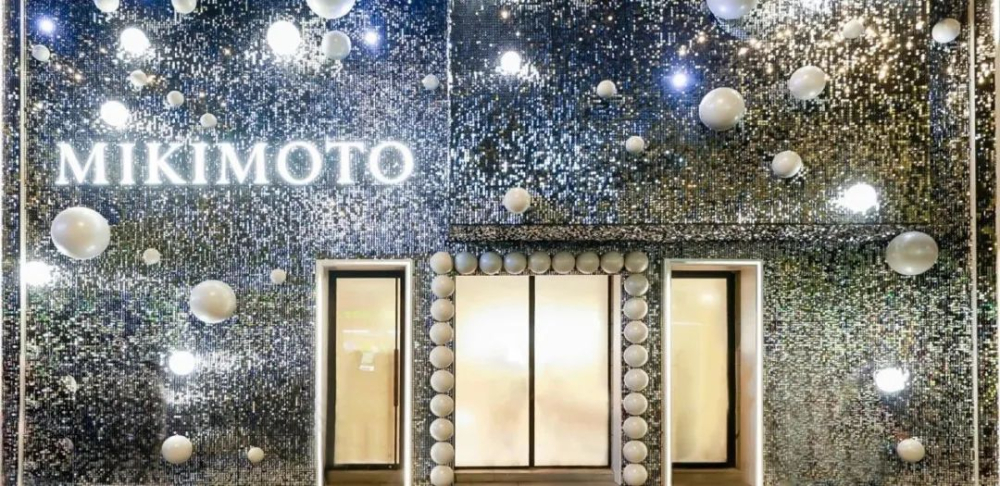
The above content is compiled by CoffeeHunters, a coffee news website.


