







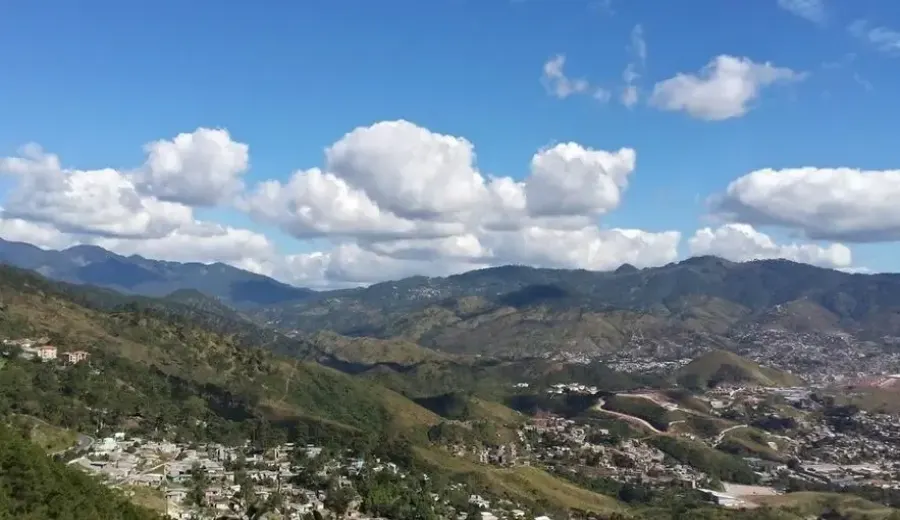
Introduction:Although Honduras' Opalaca region may not be as renowned as other well-known coffee areas, it stands out with its delicate acidity and unique tropical fruit flavors. This article will introduce the geography and climate background of the region, interpret the formation of its coffee flavors, and delve into the story of La Fresa Estate, which won third place in the 2023 COE competition, helping you gain a more comprehensive understanding of this highly potential coffee-producing area.
Honduras has secured its important position in Central America's specialty coffee scene thanks to its high-altitude terrain, fertile volcanic soil, and diverse microclimates. The country’s coffee research institute, IHCAFE, divides the nation into six major coffee-growing regions. Among them, the Opalaca region, though not as widely known as Montecillos or Comayagua, is celebrated for its bright acidity, tropical fruit notes, and distinct lemony aftertaste—making it a must-try for enthusiasts seeking emerging flavor profiles.
As one of the world’s key coffee-producing regions, Central America boasts a geographical environment interwoven with plateaus, volcanoes, and dense forests. With a volcanic belt stretching over 1,300 kilometers, the soil here is rich in minerals, making it extremely suitable for coffee cultivation. Among these, Honduras not only has a significant production volume but also enjoys a strong international reputation for its stable and high-quality coffee exports.
Over ninety percent of the country’s land consists of mountains and plateaus, with extensive lava plateaus inland and numerous mountain valleys. The national forest coverage rate is as high as fifty percent, and elevations mostly range between 900 and 1,500 meters. Such terrain provides excellent drainage and helps coffee trees accumulate flavor compounds amid significant day-night temperature variations. Climatically, Honduras features a tropical climate, with coastal areas classified as tropical rainforest and mountainous regions mostly falling under subtropical forest climates. The average annual temperature is around 23°C, and the distinct dry and wet seasons create an ideal environment for coffee growth.
Coffee was first introduced to Honduras in the 18th century by Spanish merchants, but at that time, cash crops such as bananas were the primary agricultural focus, and coffee was only grown sporadically. It wasn’t until the late 19th century that coffee plantations began to emerge. However, limited by poor transportation and weak export infrastructure at the time, coffee was mainly supplied to the domestic market. In the 20th century, with the improvement of infrastructure such as roads and ports, and the establishment of the Honduran Coffee Institute (IHCAFE), the coffee industry began to enter a phase of systematic development. Even so, the country faced numerous challenges, including hurricanes and coffee leaf rust outbreaks, but it eventually overcame these obstacles, and coffee has since become one of Honduras’ vital economic pillars.
Based on geographic and altitude conditions, IHCAFE divides the country’s coffee-growing regions into six main zones: Copan, Opalaca, Montecillos, Comayagua, Agalta Tropical, and El Paraiso. All these regions sit at elevations above 1,100 meters, offering ideal growing conditions for specialty coffee.
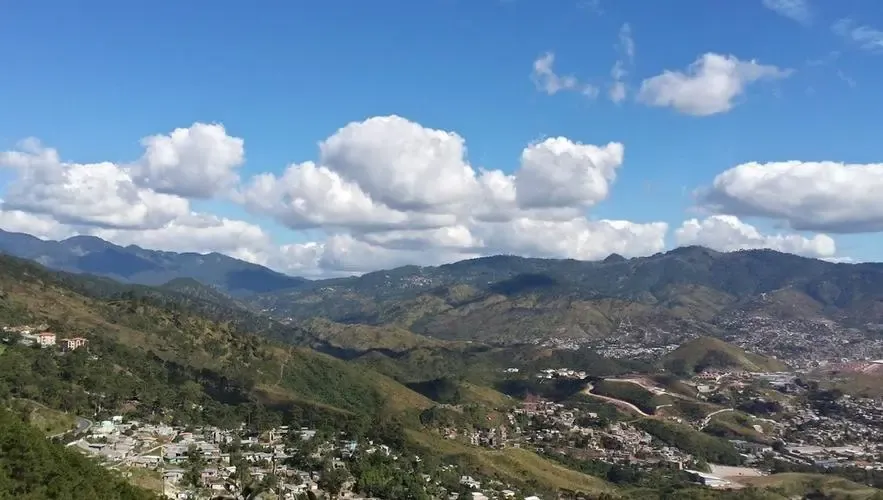
Currently, Montecillos and Comayagua are the more prominent regions on the international market, especially as most award-winning estates in the 2024 Honduras Cup of Excellence (COE) competition came from these two areas. However, the potential of the Opalaca region should not be underestimated. Located at the junction of Santa Bárbara, Intibucá, and Lempira provinces, it is primarily concentrated in the higher-altitude areas of western Lempira province, which includes the country’s highest peak—Volcán Las Minas, standing at 2,849 meters above sea level.
Coffee in the Opalaca region is mainly cultivated on slopes at elevations between 1,100 and 1,700 meters. The area receives an average annual rainfall of 1,350 to 1,900 millimeters. Coupled with nutrient-rich volcanic soil, significant day-night temperature differences due to high altitude, and ample sunlight, these factors collectively contribute to the region’s distinctive coffee flavor profile. The resulting coffees typically exhibit fine and bright acidity, with a well-balanced overall mouthfeel. They often carry aromas of tropical fruits such as grapes and mulberries, while the finish blends a refreshing lemony note with the sweetness of honey and caramel, offering a rich and distinctive flavor complexity.
Among the producers in the Opalaca region, La Fresa Estate is a notable representative, currently managed by Mardo Antonio Vasquez, who has over 21 years of farming experience. He recalls facing numerous challenges initially, but through continuous hands-on practice and ongoing learning, he gradually improved the quality of his coffee and began participating in local farming competitions, accumulating judge feedback and technical expertise. He later actively engaged in the national-level Cup of Excellence (COE) competition and ultimately achieved third place in 2023, proving that the region is also capable of producing specialty coffee of international caliber.
If you’d like to personally experience the unique flavors of the Opalaca region, try tasting coffee beans from this area to savor the delightful combination of its bright acidity and rich tropical fruit aromas—a perfect way to explore the diversity of Central American coffee.
The above content is compiled by CoffeeHunters, a coffee news website.


