







Introduction:Have you ever wondered why the popular SOE (single-origin espresso beans) of recent years often have a distinct acidity? Behind this lies the fascinating evolution of espresso beans—from blend-dominated to single-origin-focused. This article will take you through the complete journey: from the early days of single-origin espresso when espresso machines were first invented, to the post-war era where blends became mainstream, and then to the specialty coffee movement that brought lightly roasted SOEs to the market. We’ll also analyze why many cafés still prefer medium-to-light roasted SOEs, as well as the reasons behind the continued use of dark-roasted beans like Mandheling.
Why do many SOEs (single-origin espresso beans) today have a noticeable acidic taste? This actually ties into the overall evolution of espresso beans—from the early use of single-origin beans, to the rise of blends as the standard, and then to the renewed emphasis on SOEs with the growth of the specialty coffee movement. This article will explore the historical context, examine the shifting relationship between SOEs and blends, and explain why many coffee shops today continue to choose medium-to-light roasted SOEs instead of traditional dark roasts.
First, let’s clarify a common question: why do most SOEs tend to be acidic? In fact, back when espresso machines were first introduced, the espresso extracted at that time was essentially made from single-origin beans—what we now refer to as SOEs. However, terms like “single-origin,” “blend,” or “SOE” didn’t exist yet. Consumers simply knew their coffee beans came from places like Mocha, Brazil, or Colombia, and accepted it as the norm.
As market demand grew and factors such as war led to shortages of certain coffee beans, people began looking for alternatives. Robusta beans became a popular choice at the time. However, the intense bitterness produced by Robusta when dark roasted wasn’t to everyone’s liking. To address this, the industry started blending some Arabica beans with Robusta—this reduced the impact of bitterness while also cutting down on the proportion of Arabica used. This practice gradually evolved into what we now know as coffee blends.
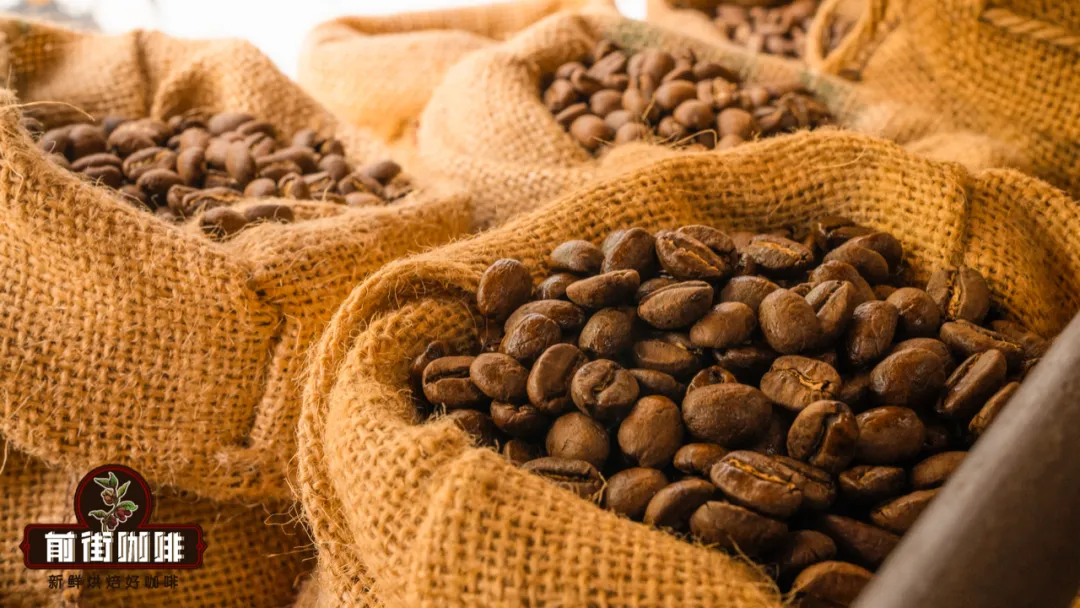
Even in times of abundant supply, blends remained widely favored due to their ability to balance flavors by complementing the characteristics of different beans. They also offered high consistency, which helped maintain uniformity in a café’s daily output. As a result, to this day, blends remain the backbone of espresso offerings in many coffee shops.
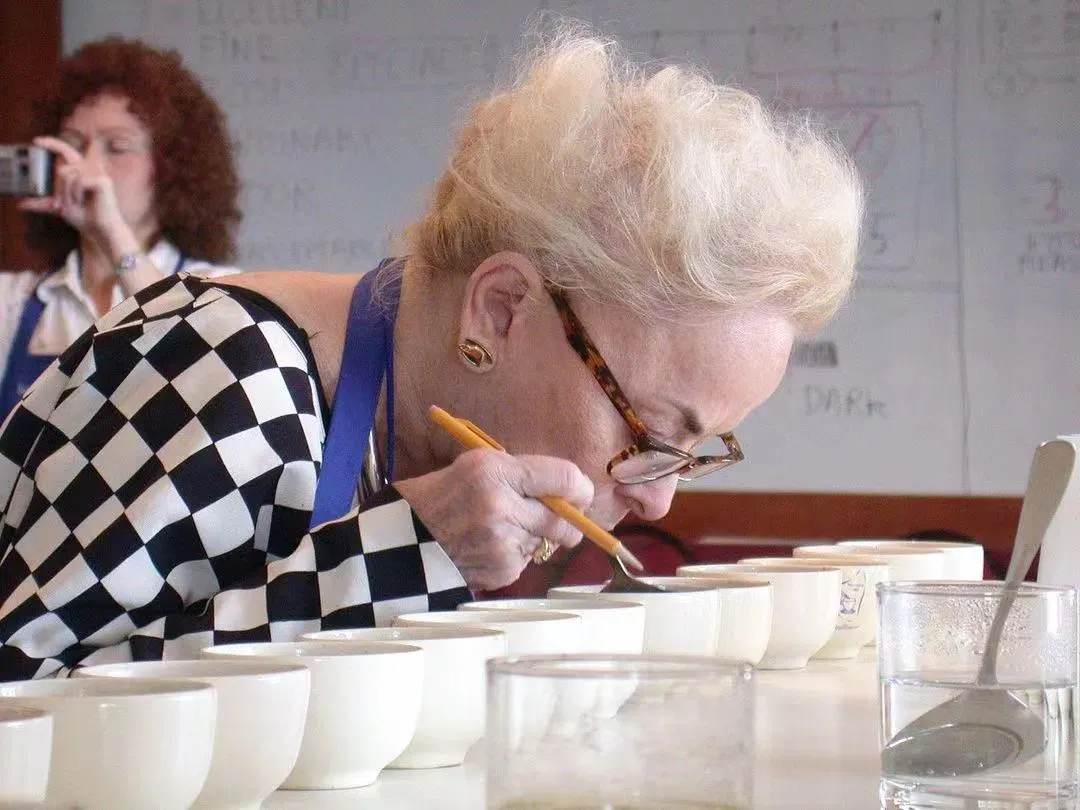
This situation persisted until the introduction of the specialty coffee concept brought change. After Ms. Erna Knutsen promoted the idea of specialty coffee, the industry began to focus on improving bean quality—including advancing scientific cultivation methods, establishing quality standards, and even encouraging farmers to grow high-quality coffee through initiatives like the Red Cherry Project, which offered them premium prices in return. With improved bean quality, dark roasting was no longer the only way to mask flaws, and light roasting gradually gained popularity, allowing coffee to showcase richer floral and fruity notes.
However, in the world of espresso, the traditional preference for dark roasting remained deeply entrenched. It wasn’t until 2007, when James Hoffmann used a lightly roasted single-origin SOE bean in a coffee competition and won first place with its outstanding floral and fruity aroma, that this norm was challenged. His success prompted many baristas to rethink how espresso could be presented, and the concept of SOE gradually gained broader recognition.
In summary, the reason why most SOEs today have an acidic profile is largely because they are typically medium-to-light roasted to highlight regional flavor characteristics. That said, not all SOEs are suited for light roasting. For example, Mandheling and Brazilian beans, due to consumers’ long-standing association with their dark-roasted flavors, are still often presented as dark roasts by many cafés to meet public expectations.
Additionally, from a business perspective, many coffee shops offer a range of options and usually provide both dark-roasted blends and medium-to-light roasted SOEs. If SOEs were also dark roasted, they might end up too similar in flavor to the existing blends, leading to product line homogenization. This would be unfavorable for customer choice and the shop’s efforts to differentiate itself. Therefore, medium-to-light roasted SOEs have become the preferred option for many cafés aiming to offer diverse flavor profiles and greater variety.
The above content is compiled by CoffeeHunters, a coffee news website.


