







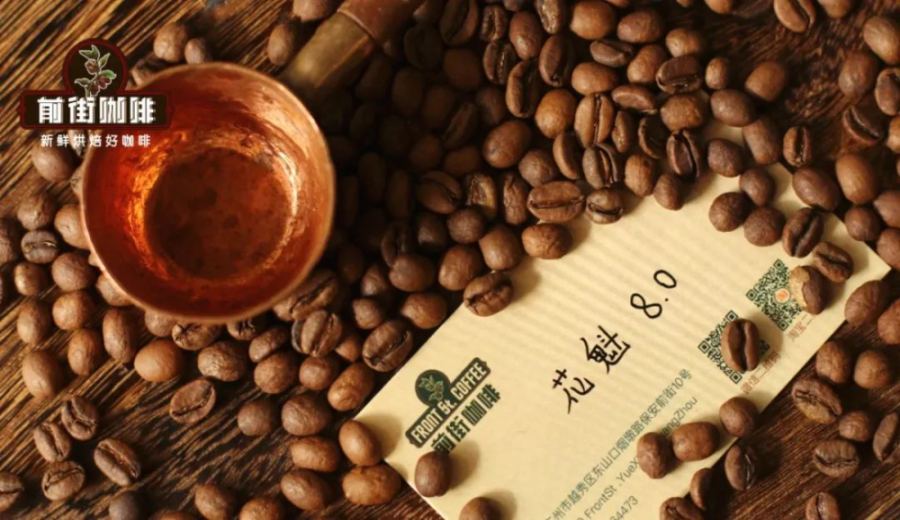
Introduction:Huang Kui 8.0, with its intense fermented fruity aroma and rich sweetness, has become a favorite among many coffee enthusiasts. However, when used as a single-origin espresso (SOE) in espresso extraction, issues such as unstable flow rate and overly sharp acidity often arise. This article takes you step-by-step through actual extraction parameters, grind size, brew ratio, and trials with two different roast profiles to find the most suitable extraction method for Huang Kui 8.0, and explains how to bring out the best flavor of a single-origin bean in espresso.
Ethiopia’s Huang Kui 8.0, with its rich fermented fruit notes and the full sweetness brought by sun-drying, is not only a daily choice for many coffee lovers but also tempts those with home espresso machines to try replicating café-quality SOE lattes or Americanos at home. However, many encounter problems on their first attempt, such as overly slow flow rates, excessively sharp acidity, or even uneven extraction, leading them to wonder whether it’s their equipment or their technique that’s at fault.
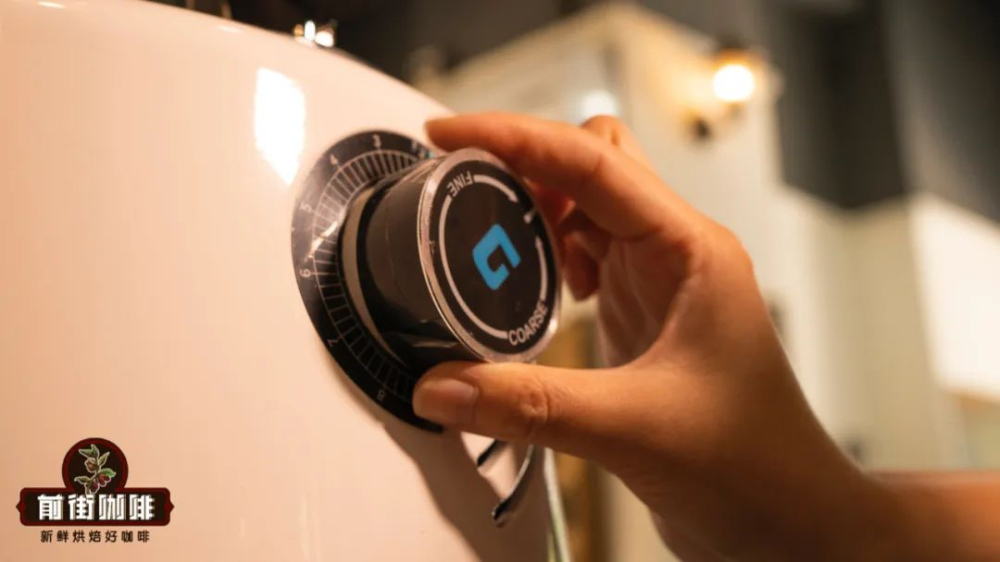
In reality, the issue often lies not with the equipment, but with whether the extraction parameters match the roast characteristics of the beans. Practical testing revealed that if Huang Kui 8.0—originally suited for pour over—is processed using the same method as typical espresso blends, it can easily result in uncontrolled flow rate, poor crema color, and thin flavor. For example, using a Galileo Q18 grinder set to a 1.4 grind size, with 20 grams of coffee, aiming for a 40-gram yield and a 1:2 brew ratio, the first drop of espresso only emerged after 8 seconds, with the total extraction time reaching 37 seconds. This shot not only had a slow flow rate, but the crema was pale yellow with dark tiger striping, the taste was sharply acidic with only faint citrus and caramel notes, clearly under-extracted.
Subsequently, the grinder setting was adjusted coarser to 1.6, with the same coffee dose and yield. While the flow rate improved and the total extraction time shortened to 32 seconds, the flavor became dull, with only weak lemon acidity and black tea notes, completely failing to showcase the rich fruitiness Huang Kui should have. Further reducing the coffee dose to 19.7 grams while still extracting 40 grams, and shortening the time to 30 seconds, this time the aroma improved slightly, the crema carried faint fruity notes, and the cup delivered citrus and passionfruit acidity. However, the resulting Americano felt like an overly watery sour plum soup, and the milk in the latte almost entirely masked the coffee’s inherent character.
A deeper analysis reveals that this is closely related to the roast level and the original extraction ratio. Typical espresso blends are usually medium to dark roasted, inherently bold in flavor and heavy in body, so even when diluted with a lot of water or milk, they retain sufficient coffee flavor. However, Huang Kui 8.0 falls within the light to medium roast range, ideal for showcasing delicate fruitiness and layered complexity, but under traditional espresso extraction ratios, it can easily end up tasting thin due to insufficient flavor, especially in milk-based drinks where its characteristics are nearly lost.
To address this issue, two directions were explored: fine-tuning extraction parameters and altering the roast profile. First, based on the original grind size and coffee dose, the extraction time and brew ratio were further adjusted to find a better balance between flow rate and flavor. However, even with these adjustments, an unsuitable roast level could still make it difficult to achieve the desired SOE performance.
Therefore, the roaster specially designed two new roast profiles for Huang Kui 8.0: one drew inspiration from the sun-dried Red Cherry in the Sunflower · Warm Sun blend, aiming to make the coffee more stable during espresso extraction; the other was a fine-tuned version based on the pour over profile, striving to balance the region’s unique fruitiness with the rich body required for espresso, while retaining a moderate cocoa sweetness.
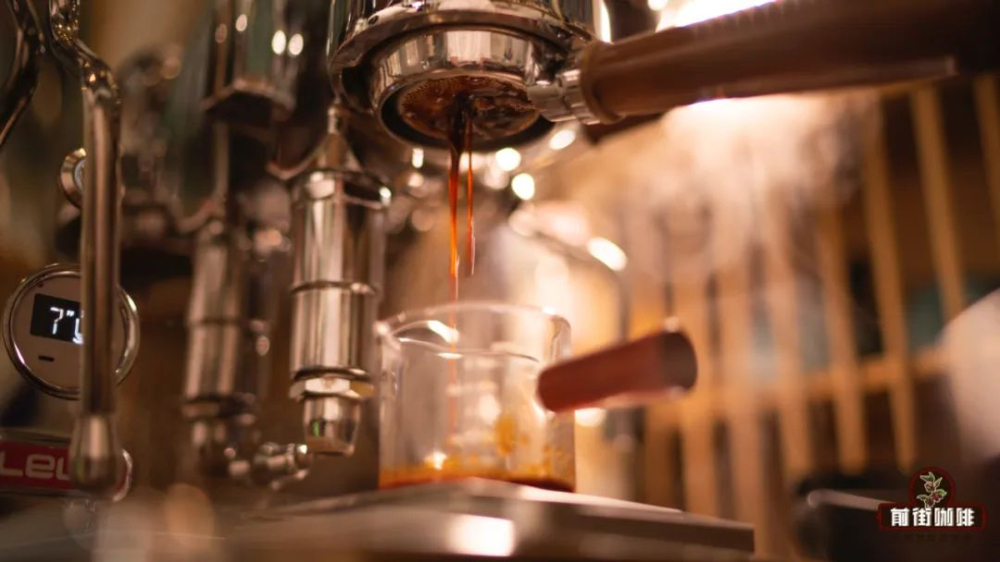
After seven days of resting, the first round of testing began. The first roast profile had a slightly longer roast time, resulting in more caramelization reactions. Although the crema was golden, fine, and creamy, the original fruitiness of Huang Kui was somewhat lost in the Maillard reaction, and the final flavor leaned toward caramel and spices, with a more pronounced bitterness, failing to achieve the expected balance.
In contrast, the second profile, using a medium roast, delivered a pleasant surprise. Using the same 20-gram dose to extract 40 grams, with the time controlled around 33 seconds, this SOE shot not only had a rich crema, but also exhibited a diverse aroma profile, including balanced notes of dark berries, dried apricots, caramel, and creamy chocolate. As an Americano, it clearly conveyed a refreshing citrus acidity; as a latte with milk, it showcased a rich mouthfeel of butter cookies, plums, almonds, and chocolate biscuits, with a well-balanced acidity, sweetness, and bitterness. Whether you prefer fruity notes or a rich body, this coffee is sure to satisfy.
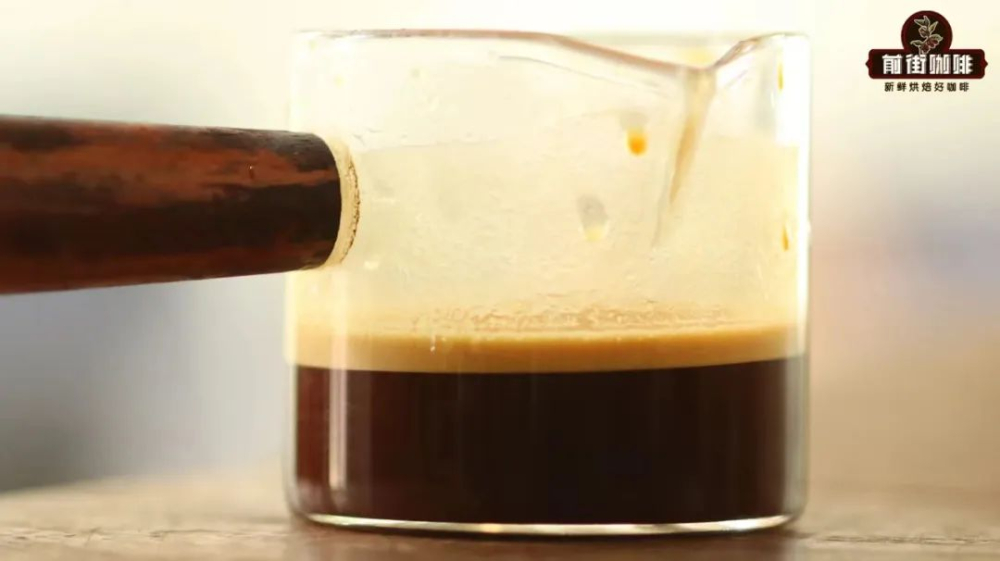
After multiple tests, it was confirmed that this medium roast profile allows Huang Kui 8.0 to deliver its best performance in SOE applications—not only suitable for single-origin shots but also perfectly integrated into lattes and Americanos. It’s an excellent choice for those seeking high sweetness and balanced flavors. If you’re also a coffee enthusiast with a semi-automatic machine at home, feel free to reference this extraction and roasting approach, and let Huang Kui 8.0 shine with café-quality flavor right in your own kitchen.
The above content is compiled by CoffeeHunters, a coffee news website.


