







Introduction:Jamaica Blue Mountain coffee is hailed as one of the world’s finest coffees, but do you know what conditions a coffee must meet to truly be called "Blue Mountain"? This article delves into the delineation of the Blue Mountain growing region, legal regulations, grading standards, explores the origin of its barrel packaging, and analyzes how altitude, variety, and climate shape its unique flavor. We also visit two renowned estates—Clifton and Stoneleigh—to uncover the source of authentic Blue Mountain character.
When it comes to specialty coffee, Jamaica Blue Mountain is undoubtedly the dream choice for many. But not all coffee grown in Jamaica can be called Blue Mountain—only beans produced under specific regional, altitude, and varietal conditions qualify for this prestigious title. Understanding the true definition of Blue Mountain coffee is not only the starting point of appreciating fine coffee, but also an important step into the professional coffee world.
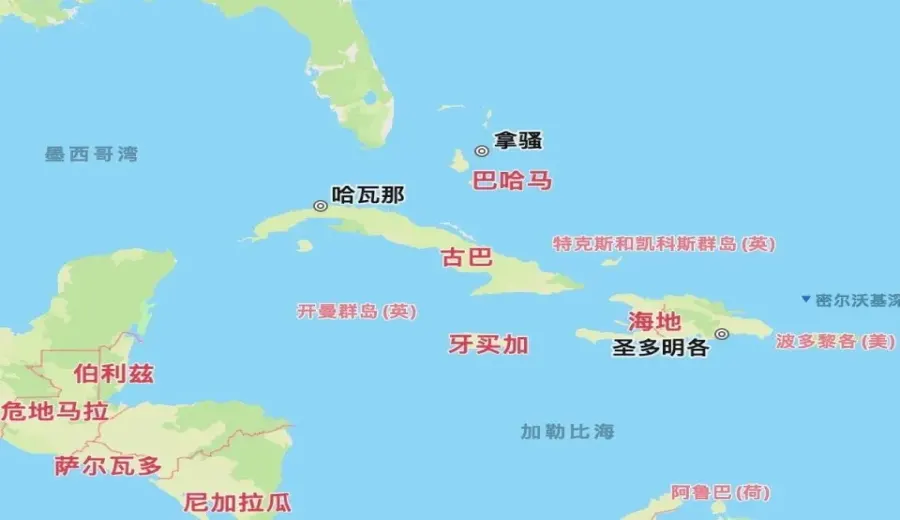
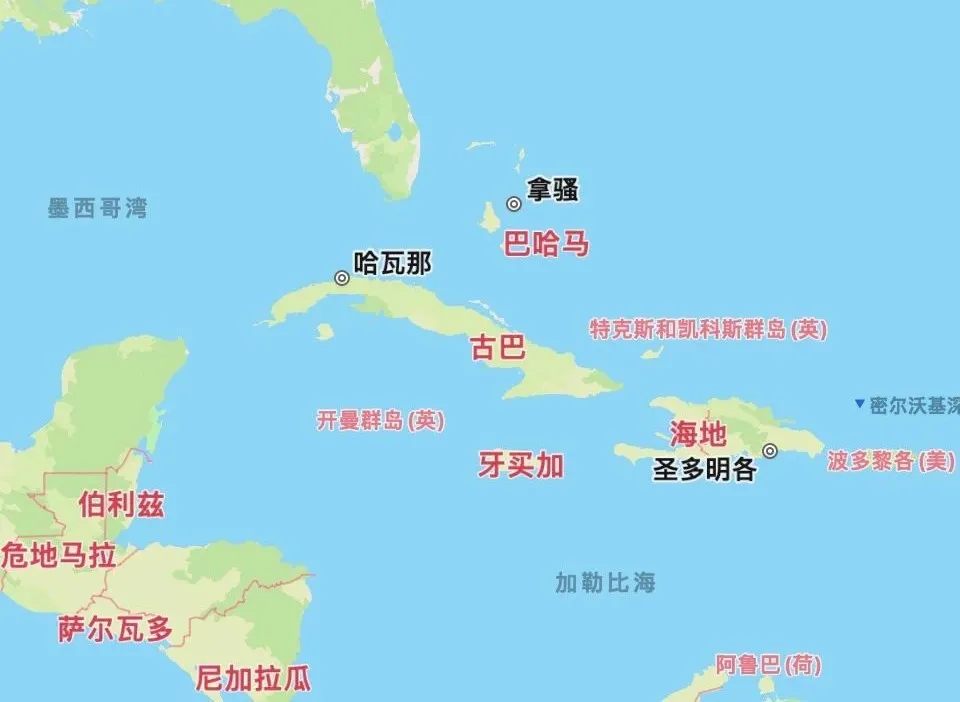
Jamaica is an island nation in the northwest Caribbean, renowned for its mountains and coastlines. The terrain is diverse, ranging from coastal alluvial plains, to central limestone plateaus, to the Blue Mountains in the east—creating a rich variety of microclimates. The Blue Mountains earned their name because, on clear days, their peaks reflect the deep blue of the Caribbean Sea. This area is not only scenically magnificent, but also boasts an exceptionally favorable environment for coffee cultivation.
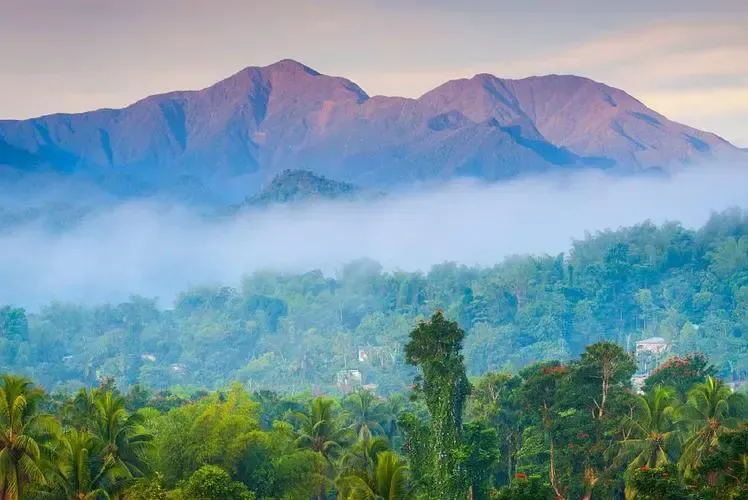
The main peak of the Blue Mountains reaches 2,256 meters, the highest point in the entire Caribbean region and also a volcano. The volcanic soil is rich in minerals, complemented by fresh air, moderate humidity, and a year-round average temperature of around 27°C—providing nearly perfect growing conditions for coffee trees. These combined factors have earned Jamaica Blue Mountain coffee its outstanding reputation and high recognition.
Jamaica’s coffee-growing history dates back to the early 18th century. Historical records indicate that Governor Nicholas Lawes introduced Arabica coffee seeds from Martinique, with successful trial plantings first taking place in the St. Andrew area. Planting gradually expanded into the Blue Mountain region. During the colonial period, there were over 600 coffee plantations, most controlled by British colonists, while local inhabitants mostly participated in farming as slaves. With the abolition of slavery in the 19th century and the end of British trade preferences, Jamaica’s coffee industry experienced a downturn, with the number of plantations shrinking to around 180.
To revitalize the coffee industry, the Jamaican government began promoting technological improvements and infrastructure upgrades in 1891, and established relevant institutions to assist producers in enhancing quality. In 1944, the Central Coffee Clearing House was created to oversee coffee quality before export. By 1950, the Jamaica Coffee Industry Board (CIB) was officially established and later incorporated into JACRA (Jamaica Agricultural Commodities Regulatory Authority) in 2018, tasked with implementing stricter quality control measures. At that time, CIB also enacted the Coffee Industry Regulation Act, which clearly defined the legal growing region for Jamaica Blue Mountain coffee and all related standards.
According to the Coffee Industry Regulation Act, only coffee of the Typica variety grown at elevations between 915 and 1,700 meters within the four parishes of St. Andrew, St. Thomas, Portland, and St. Mary can be called "Jamaica Blue Mountain coffee." These strict geographical and varietal restrictions are the main reasons why Blue Mountain coffee is so rare and valuable.
In addition, Blue Mountain coffee is one of the few globally that is exported in wooden barrels. Only Jamaica Blue Mountain No. 1, No. 2, No. 3, and PB (Peaberry), as well as the Premium and PB grades of the Jamaica High Mountain series, may be packaged in 70 kg, 30 kg, or 15 kg wooden barrels. Among them, Jamaica Blue Mountain No. 1, as the highest grade, requires bean size of 17 mesh or larger, a defect rate not exceeding 2%, and moisture content precisely controlled between 10% and 12.5%. The barrel lid is stamped with the official certified Blue Mountain trademark, while other grades are exported uniformly in 60 kg jute sacks.
Within the legally defined Blue Mountain growing region, there are several well-known coffee estates, among which Clifton Mount Estate and Stoneleigh Estate are the two most representative.
The history of Clifton Mount Estate dates back to the mid-18th century. It is one of the very few coffee estates in Jamaica to be awarded “Rainforest Alliance Certification,” signifying that its planting and production processes meet high standards of sustainable agriculture. Located on a mountainside at approximately 1,300 meters above sea level, the estate enjoys abundant sunshine and fertile soil, providing an ideal environment for coffee trees. A certain brand’s Jamaica Blue Mountain No. 1 originates from this estate, offering a balanced flavor profile with gentle citrus acidity, accompanied by notes of nuts and cocoa. Its smooth and delicate mouthfeel makes it one of the quintessential representations of classic Blue Mountain flavor.
Another renowned estate—Stoneleigh Estate—is situated in the parish of St. Andrew, cultivated at an elevation of up to 1,642 meters. Established in 1889 as a government experimental farm, it came under private management in 1956 when taken over by Mr. Clair. Through modernization reforms promoted by the government, Stoneleigh Estate built state-of-the-art planting and roasting facilities at the time, ensuring every stage—from green beans to roasting—met high-quality standards. This has made the Blue Mountain coffee produced here a classic favorite among many coffee enthusiasts.
The above content is compiled by CoffeeHunters, a coffee news website.


