







Introduction:The nearly year-long conflict in Ethiopia’s Amhara region is gradually closing in on the capital, Addis Ababa, impacting local society and the economy. Among these, the country’s coffee industry — which accounts for 30–40% of national export revenue — is facing multiple challenges including unstable production areas, disrupted trade, and transportation bottlenecks. This article delves into how the conflict is affecting the coffee supply chain and explores its potential impact on the global coffee market.
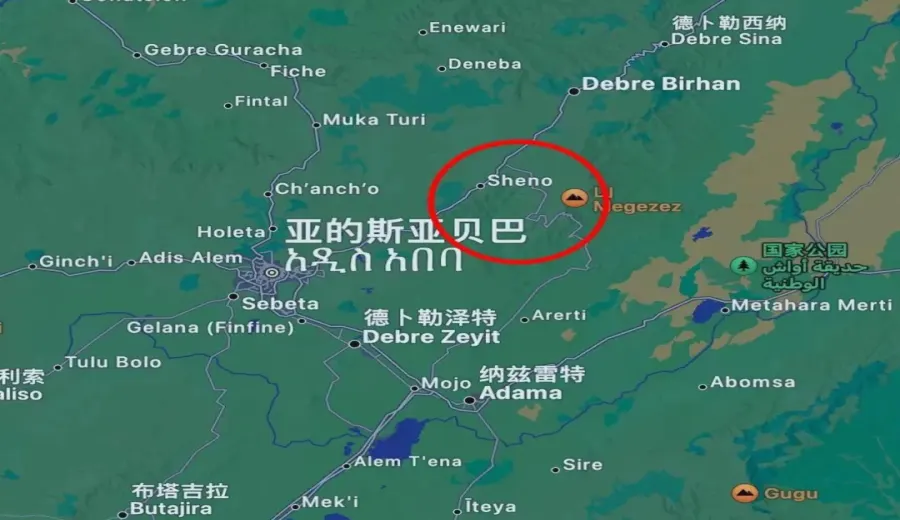
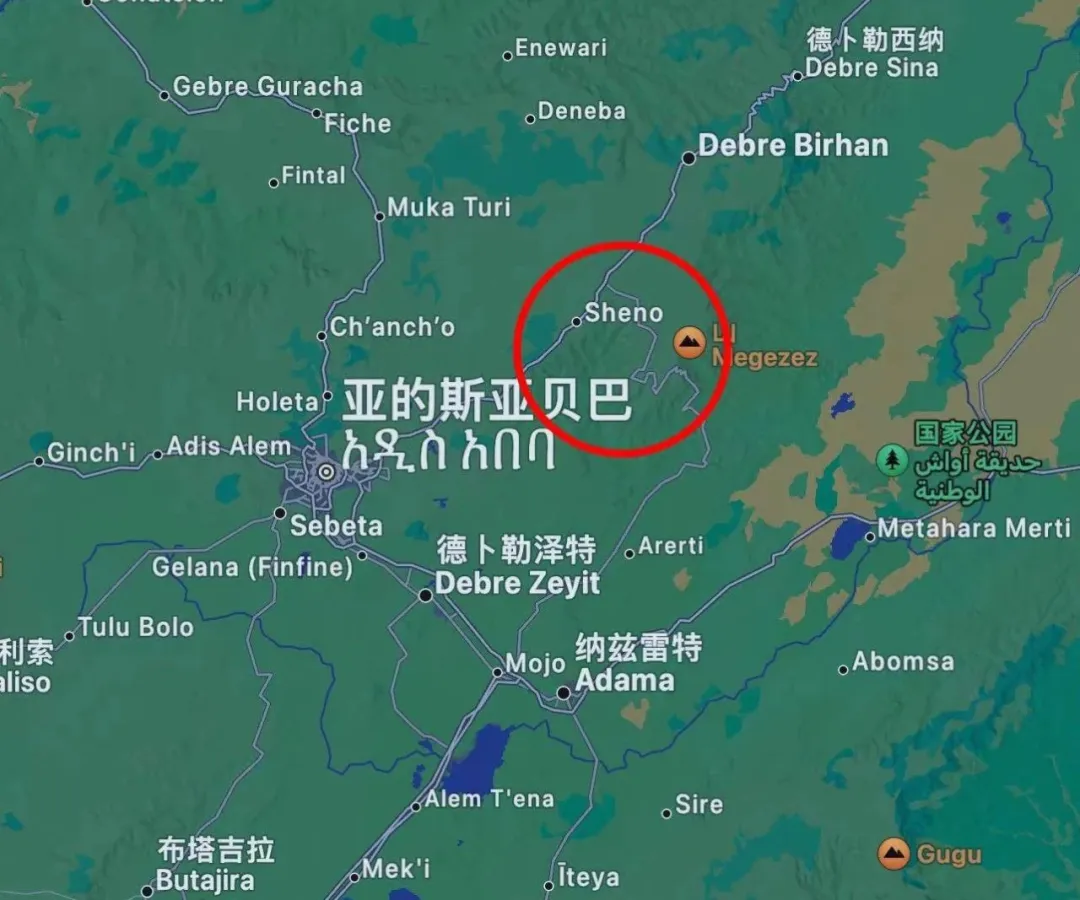
The armed conflict in Ethiopia’s Amhara region has been raging for nearly a year and the situation continues to intensify. The fighting between the Fano forces and government allied troops has now advanced to within approximately 55 kilometers of the capital, Addis Ababa, with the scope of the conflict’s impact steadily expanding.
The conflict can be traced back to shortly after the Ethiopian government declared a state of emergency, and there are still no signs of it abating. Clashes have occurred in areas such as Korma town in the Minjar district. According to the Fano forces’ command, government troops carried out indiscriminate shelling in that area, forcing them to temporarily retreat in order to protect civilians.
Meanwhile, battles in major cities such as Gondar are also fierce. Reports indicate that Fano forces have advanced close to controlling the local airport and have dealt effective blows to government troops through guerrilla tactics. Although the government has mobilized local militias and riot police to respond, defections have been frequent, with many members choosing to join the rebel side, weakening the official defense lines.
At present, millions of students in the Amhara region have been forced to suspend classes, numerous medical institutions have seen their operations disrupted, and the overall economic losses are severe. Moreover, if the situation continues to deteriorate, it could even trigger another large-scale civil war, dealing a comprehensive blow to the country’s infrastructure, production, and logistics chains.
Among the many affected industries, the coffee sector is under particularly significant pressure. Coffee is a crucial source of foreign exchange for Ethiopia, accounting for about 30% to 35% of total export revenue. However, as the conflict escalates, the security of production areas is increasingly threatened, not only affecting coffee harvests and quality but also deterring many international traders from purchasing beans locally.
In addition, the civil war has increased local security risks, with incidents such as kidnappings occurring frequently, further undermining trade confidence. Many coffee traders, in order to avoid risk, have scaled back or temporarily halted their operations in Ethiopia, leading to a sharp decline in exports.
Apart from internal instability, international transportation links are also facing serious challenges. Due to the ongoing Red Sea shipping crisis, transport through the Port of Djibouti — which Ethiopia relies on almost entirely — has been disrupted. Earlier, MSC, which handles about 80% of the port’s freight volume, announced the suspension of related operations, compounding the difficulties for coffee exports.
Overall, multiple factors — including the conflict, worsening security, and transportation disruptions — are severely testing the resilience of Ethiopia’s coffee supply chain. For global consumers, this may lead to unstable supplies of specialty coffee beans from the country, price volatility, and even the disappearance of certain regional flavor profiles. How to maintain coffee quality and supply stability amid turmoil will be a challenge that stakeholders across the industry must address together.
The above content is compiled by CoffeeHunters, a coffee news website.


