







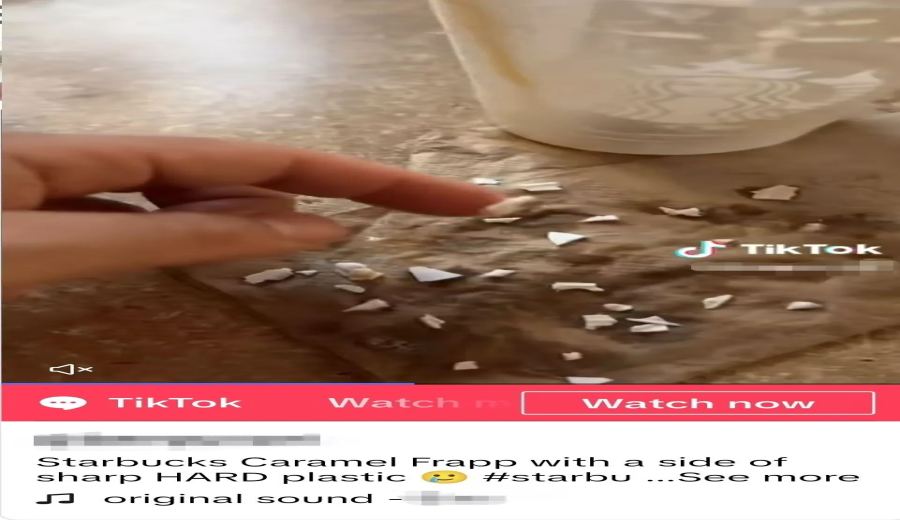
Introduction:A female blogger discovered nearly 30 sharp plastic fragments in her Starbucks Caramel Frappuccino, sparking widespread discussion about beverage safety. This article details the incident, expert speculation on the origin of the foreign object, and an analysis of the potential risks of accidentally ingesting plastic, while also offering consumer advice for safeguarding their rights and practical tips for inspecting drinks.
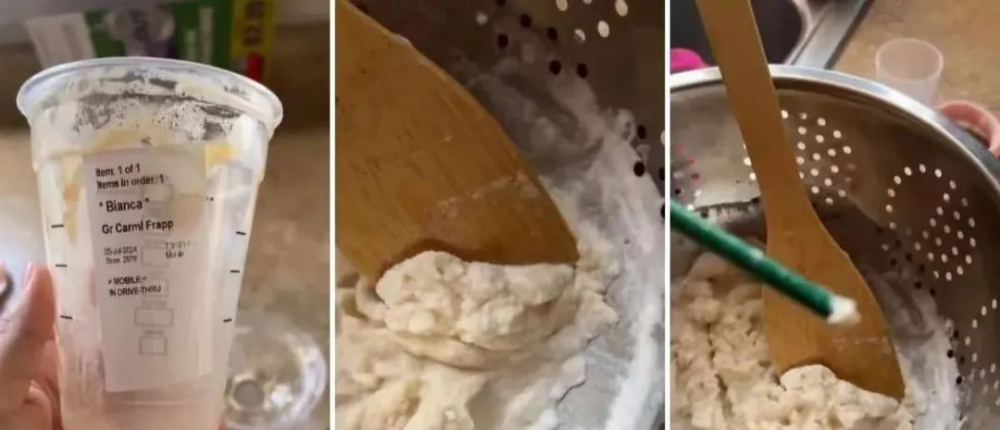
Recently, a consumer found a large number of white plastic fragments in a Caramel Frappuccino purchased from Starbucks. After picking through the drink, it was found that there were nearly 30 pieces. These fragments had sharp edges and a hard texture, making them extremely difficult to notice amidst the blended ice. The female blogger, who does not usually visit Starbucks, noticed something unusual about the color and texture of the drink when preparing to enjoy it at home. She used a strainer to filter the frappe and was shocked to find multiple white plastic foreign objects.
As she picked out the fragments one by one, she found not only were there many of them, but they were also similar in color to the drink itself, making them very easy to overlook.After manually sifting and rinsing, it was roughly estimated that there were at least 30 plastic pieces of varying sizes left at the bottom of the cup and mixed in with the frappe.These fragments had sharp edges and could cause harm to the mouth or esophagus if accidentally consumed.
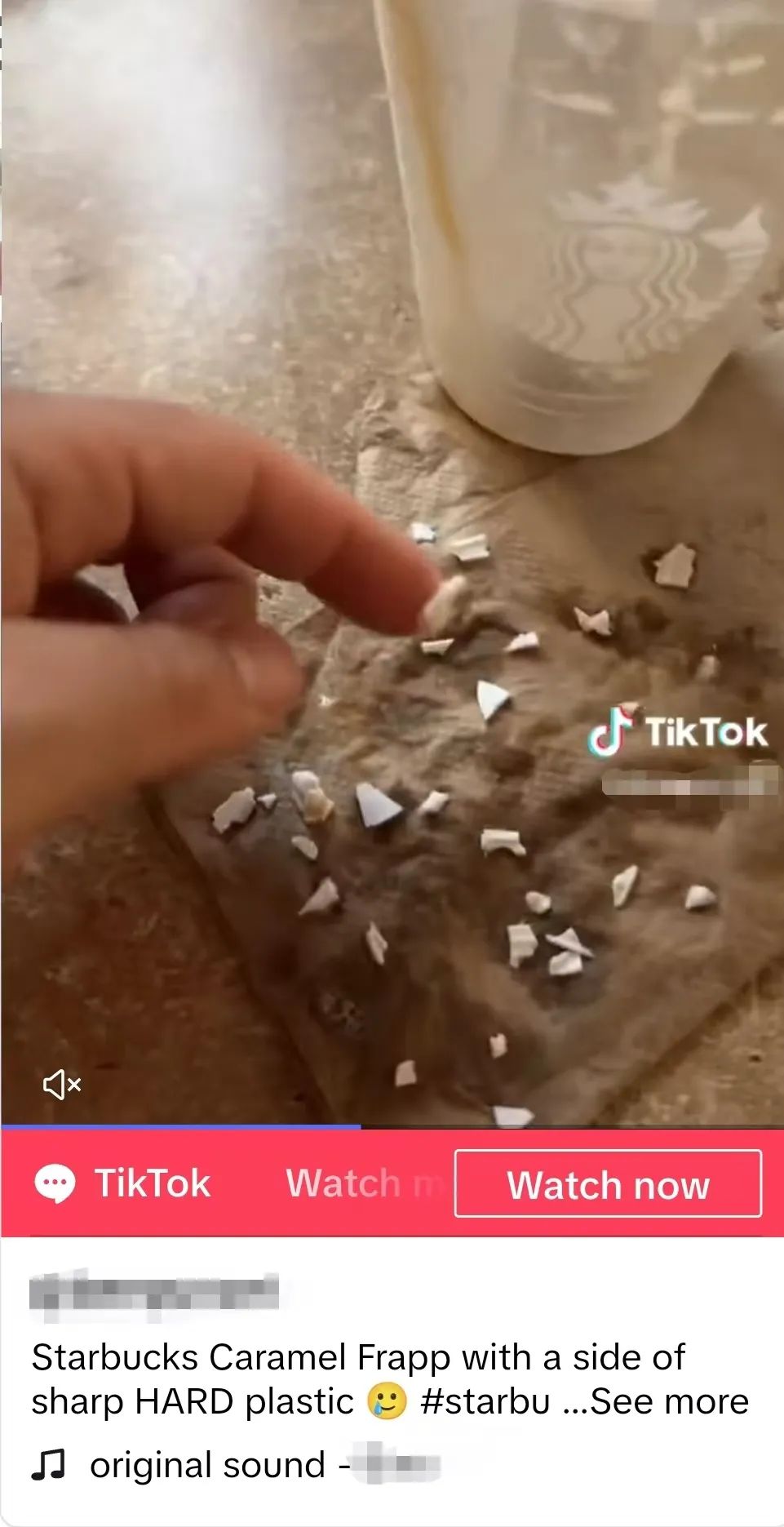
The customer immediately reported the issue to the store, and the store manager offered to remake the drink. However, she chose a refund and requested that the store investigate the cause of the incident. Notably, the branch was not particularly busy that day, which made it hard to understand how such an obvious preparation error could occur. Many netizens and industry professionals also expressed shock, stating bluntly, “It’s hard to imagine how such a mistake could happen.”
Many online users took on the role of “detectives,” speculating based on experience about the source of these plastic fragments. Some believed they might be residue from the fruit puree lid, while others speculated that they could be related to mixing utensils, such as suggestions that “a spoon might have accidentally fallen in.” Although not officially confirmed, these speculations all point to quality control gaps in the production process.
In addition to raising questions about Starbucks’ quality management, this incident has also drawn consumers' attention to potential dangers in beverages. Experts warn that similarly sized hard plastic fragments, if accidentally swallowed, could scratch the throat or esophagus, and may even lead to infection or internal bleeding—the risks of which should not be underestimated.The risks are even higher for children or consumers who chew carelessly.
This incident also reminds consumers to stay vigilant when enjoying freshly made drinks, especially those with abnormal appearances, uneven coloring, or sudden changes in texture. It is recommended to let the drink settle or filter it before consuming.If a foreign object is found, evidence—including photos, videos, and the original packaging—should be retained immediately, and the store should be informed without delay. If necessary, a complaint can be filed with the consumer council.
Food safety and quality control are fundamental responsibilities of every beverage vendor, and consumers have the right to safe consumption. This Starbucks incident is not just the experience of a single customer, but highlights room for improvement in overall beverage industry standards regarding production monitoring and quality assurance processes. Moving forward, how to prevent similar incidents from recurring will be a shared focus for both the industry and consumers.
The above content is compiled by CoffeeHunters, a coffee news website.


