







Introduction:Have you heard of the interesting term “frog bean”? In fact, it refers to coffee beans that carry the Rainforest Alliance certification, because the certification logo features a red-eyed tree frog. This article will delve into the origins of the Rainforest Alliance, the background and significance of frog beans, and explore the relationship between Blue Mountain coffee and this certification—helping you gain a more comprehensive understanding of the truths and flavor characteristics behind this well-known certification.
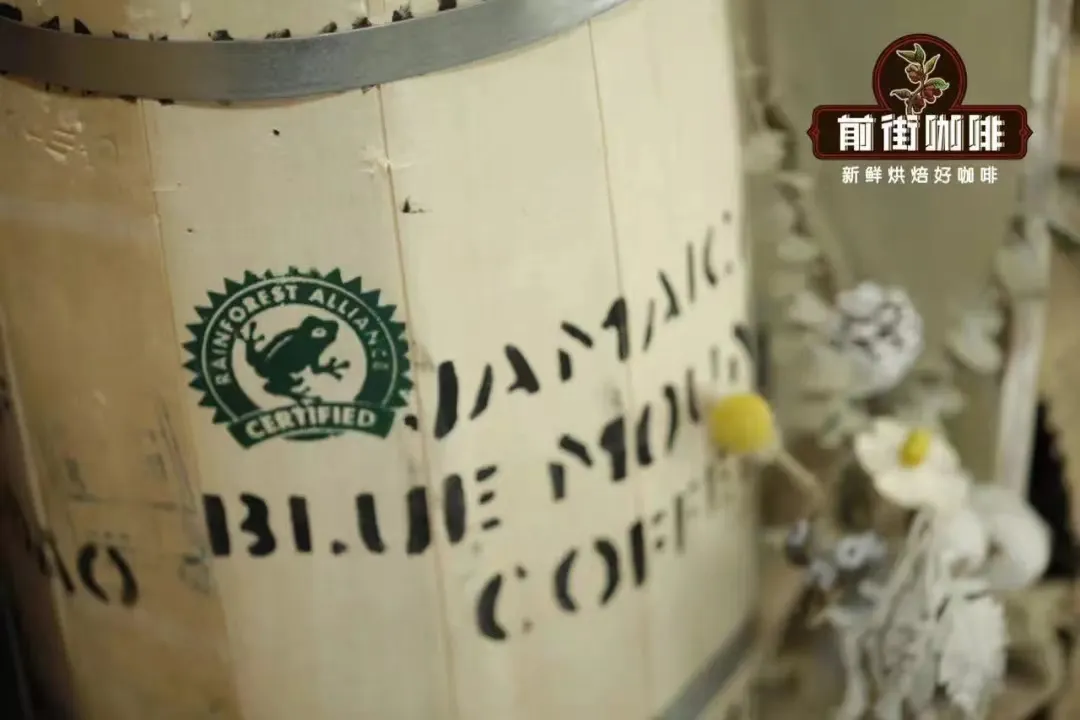
Have you heard of the term “frog bean”? Many beginners in the coffee world might be confused, thinking it describes coffee beans that look like frogs, or even mistakenly believe it refers to the unique hoof-like shape of beans produced by Indonesia’s wet-hulling method. In reality, “frog bean” refers to coffee beans that have obtained the “Rainforest Alliance certification,” simply because the certification’s logo is a lively red-eyed tree frog.
The Rainforest Alliance was founded in 1987 by Daniel R. Katz, a 24-year-old New Yorker at the time, along with a group of environmental advocates. Initially, the organization focused on the conservation of natural resources in tropical rainforests. As its influence grew, it gradually expanded into diverse areas such as agriculture, forestry, and commerce, and launched its iconic “frog logo” certification program the following year.
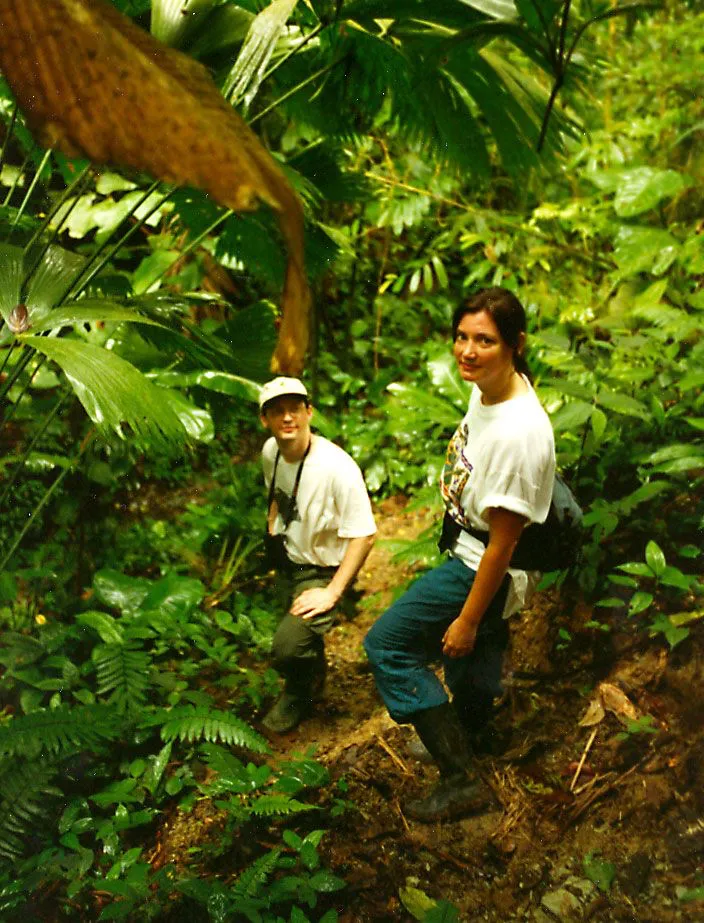
To obtain Rainforest Alliance certification, farms must meet a series of strict sustainable agricultural standards, including cultivating under native forest shade, reducing pesticide use, properly managing waste, and maintaining the overall health of the ecosystem. One of the most crucial aspects is adopting traditional farming methods that grow crops without damaging the original environment. For coffee, this means the growing environment must balance ecological sustainability with the potential for high coffee quality.
Coffee farms that pass the certification can not only use the Rainforest Alliance’s frog logo on their beans but also have the opportunity to enter specific premium distribution channels, gaining better market exposure and pricing. However, it’s worth noting that having the certification doesn’t necessarily mean the coffee will have outstanding flavor, as the certification primarily focuses on farming practices and management—not the final cup quality.

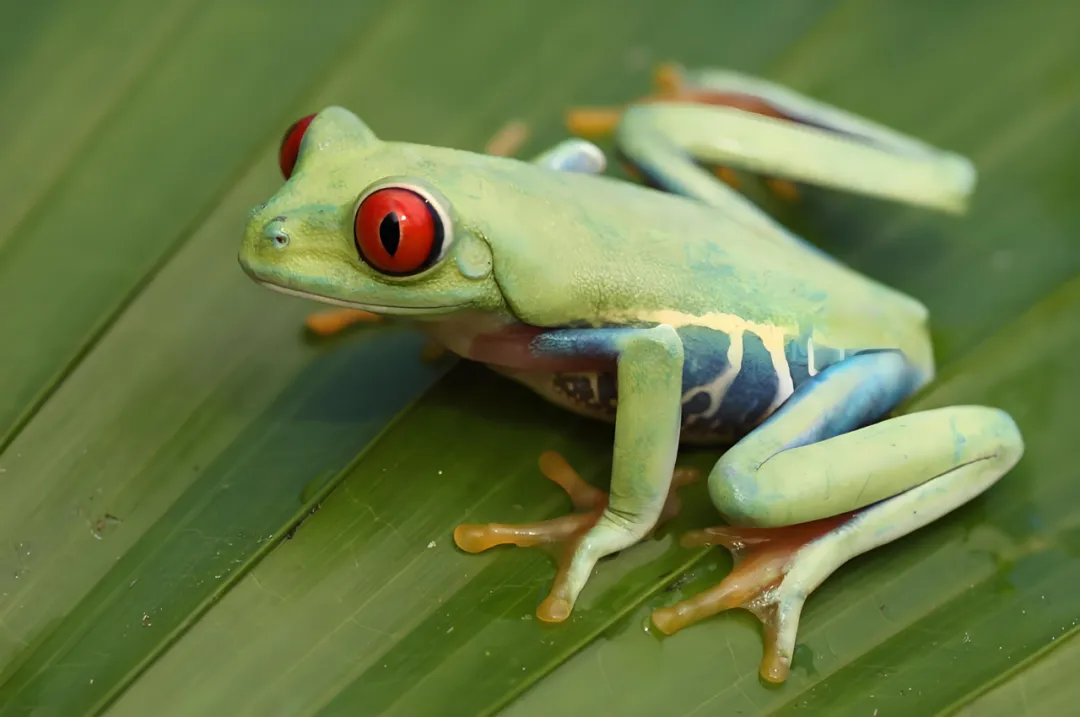
So why was the red-eyed tree frog chosen as the logo? This small tree frog only inhabits unpolluted and ecologically healthy tropical rainforests, is rare in number, and extremely picky about its habitat. By using it as a symbol, the Rainforest Alliance signifies that such an animal can only be found in a well-preserved rainforest ecosystem. In other words, where there’s a frog, there’s a sign of a healthy natural environment.
Returning to the topic of coffee, although “frog beans” (i.e., coffee beans with Rainforest Alliance certification) are not commonly seen on the market, their existence does represent an environmentally friendly approach to farming. However, such coffee isn’t necessarily top-tier in flavor or a high-end specialty product—after all, the core of the certification lies in the “farming method,” not the “cupping score.”
Currently, among the coffees available on the market, Blue Mountain coffee is one of the few that holds Rainforest Alliance certification. It’s worth mentioning that only the Clifton Estate within the Blue Mountain region has earned this certification. Therefore, if you come across a coffee labeled as Blue Mountain and featuring the frog logo, it most likely comes from this unique estate.
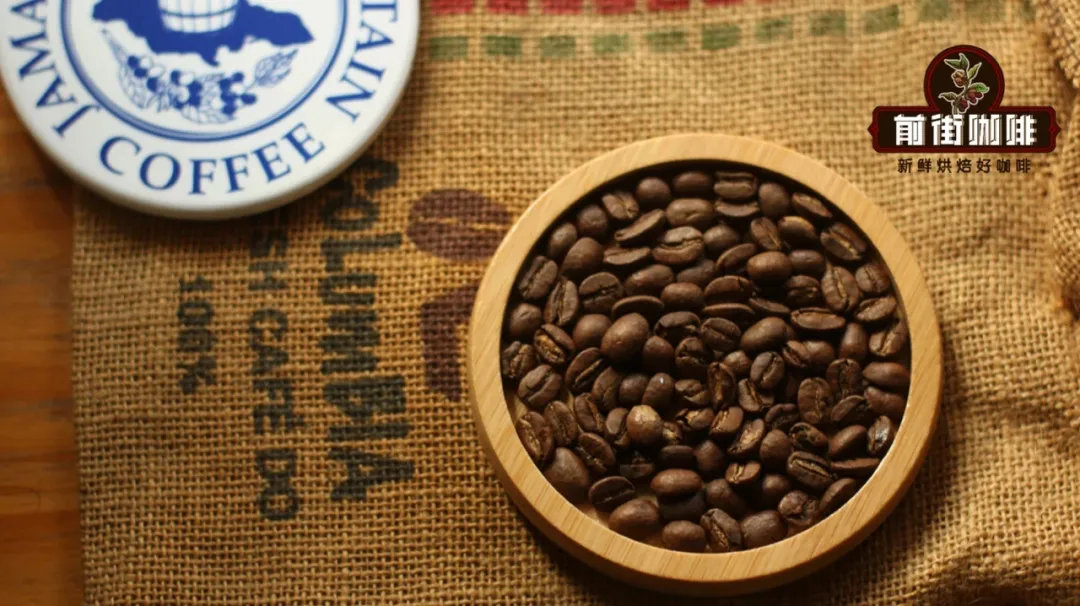
Blue Mountain coffee has long been hailed as the “King of Coffees.” Its unique microclimate, high altitude, and fertile volcanic soil in Jamaica give it a balanced and delicate flavor profile. When roasting this coffee, a slightly darker roast level is used to fully showcase its smooth mouthfeel, gentle acidity, and exceptional balance. Even with its certification, Blue Mountain coffee remains world-renowned for its exceptional terroir.
In summary, the friendly and vivid term “frog bean” actually embodies a deep emphasis on sustainable agriculture and ecological protection. The Rainforest Alliance certification is not only an affirmation of a farm’s management practices but also an eco-friendly indicator that consumers can consider when purchasing coffee. Although its direct correlation with flavor is limited, for coffee enthusiasts who value both sustainability and quality, understanding the meaning behind these certifications is definitely helpful in making wiser choices.
Next time you see that familiar red-eyed tree frog on a coffee package, take a moment to pause and reflect on the sustainable spirit it represents—and the small patch of nature that’s being carefully preserved.
The above content is compiled by CoffeeHunters, a coffee news website.


