








Introduction:Is the flavor of your pour over coffee always inconsistent? Even when you follow the brewing steps to the letter, why can’t you seem to achieve the ideal taste? In fact, water temperature, coffee-to-water ratio, grind size, and pouring technique are the four key factors that influence extraction. This article takes an in-depth look at how these variables affect the coffee’s strength, acidity-sweetness balance, and extraction of unwanted flavors, helping you identify the right adjustments to consistently brew well-balanced pour over coffee.
Many beginners to pour over coffee face similar frustrations: they follow the instructions step by step, yet the resulting coffee tastes completely different each time—sometimes bright and vibrant, other times dull or even overly bitter. In truth, the flavor of pour over coffee is influenced by multiple variables, including water temperature, coffee-to-water ratio, grind size, pouring technique, brew time, and even water quality. Among these factors, which one is the key to shaping the coffee’s flavor profile? Drawing from practical experience, we’ll analyze how each parameter actually affects extraction, helping you build a framework for adjustments and brew more reliably flavorful coffee.
 After learning the basics, many readers often have questions about pour over parameters—especially when they follow the instructions carefully but don’t get the expected results, leading them to wonder if they’ve overlooked some crucial detail. A common question is: among all these variables, which one is the most important factor affecting coffee flavor? In reality, these parameters are interconnected, but each plays a distinct role. Next, we’ll delve into these elements to help you understand which are foundational, which are for fine-tuning, and how to adjust appropriately based on the characteristics of your coffee beans.
The charm of pour over coffee lies in its variability and possibilities. Many beginners often hear seemingly “mystical” advice during their learning process—for example, “the coffee grounds must puff up during blooming to be successful,” “you must use a specific cup to appreciate the aroma,” or “the last part of the brew must be discarded, otherwise the coffee will turn bitter.” These claims can indeed be confusing before understanding the underlying principles. However, once you grasp the science behind extraction, you’ll realize these practices all serve a purpose, allowing you to adjust parameters more rationally and gradually master the essence of pour over brewing.
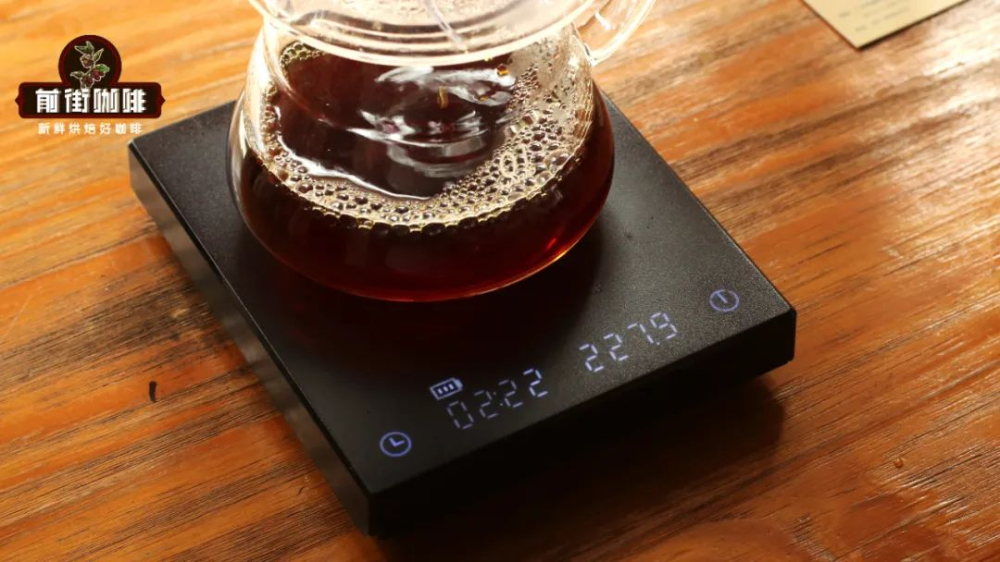 In the pour over process, there are six main variables that influence extraction outcomes: water temperature, coffee-to-water ratio, grind size, pouring technique, time, and water quality. The first four are the most frequently discussed parameters, while time usually changes in response to adjustments in the first three, and water quality can be explored further through specialized articles. Below, we’ll focus on water temperature, coffee-to-water ratio, grind size, and pouring technique, explaining how each affects coffee extraction and flavor expression.
Water Temperature: The Key Tool for Controlling Extraction Rate
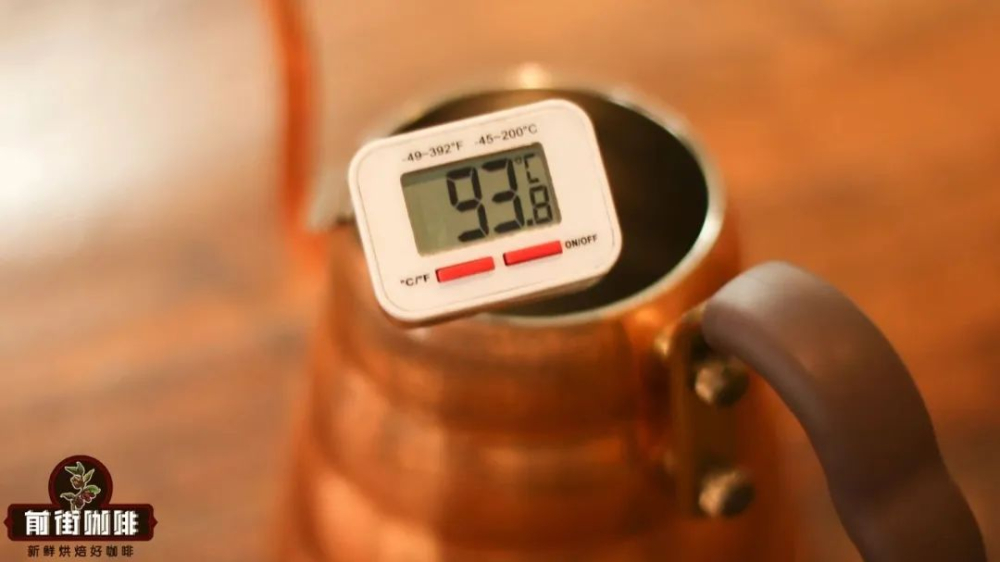
Water temperature plays a crucial role in regulating the speed of extraction in pour over coffee. Generally speaking,the higher the water temperature, the more soluble substances—including acidity, sweetness, and bitterness—are extracted from the coffee. However, if the water temperature is too high, it can release excessive bitter compounds, disrupting the overall flavor balance. For most coffee beans,a safe and suitable water temperature range is 86–93°C.
From a practical standpoint,medium to light roasted, extraction-resistant beans are well-suited to higher temperatures of 91–93°C, which can bring out more layered flavors; dark roasted beans are better brewed at 86–89°C to avoid over-extraction and resulting flat bitterness. For coffees with both acidity and bitterness, a temperature around 90°C usually achieves a good balance. That said, many people mistakenly believe that even a 1°C difference in water temperature will dramatically alter the taste—in reality, unless the temperature significantly deviates from the recommended range, the difference is often minimal. Experiments comparing brews at 91°C and 93°C have shown very similar flavor profiles, with only the subtlest differences in mouthfeel. Therefore, if your coffee tastes noticeably off, it’s better to check other parameters first rather than focusing solely on water temperature.
Coffee-to-Water Ratio: The Balance Between Strength and Extraction Yield
The coffee-to-water ratio refers to the proportion of coffee grounds to the amount of hot water used, with the common standard being 1:15—that is, 15 grams of coffee grounds to 225–250 milliliters of water. This ratio yields a moderate strength and extraction yield, suitable for most coffee beans. If you find the coffee too intense or concentrated, you can adjust to 1:16 or 1:17 by increasing the water volume to extend the flavor and enhance aftertaste.
However, if the coffee already has an ideal strength and balance but lacks aroma, it’s not advisable to easily adjust the coffee-to-water ratio, as changing the water volume may lead to under- or over-extraction, further affecting overall performance. Adjustments to the coffee-to-water ratio should primarily consider strength and mouthfeel, rather than simply pursuing stronger or weaker aroma.
Grind Size: The Core of Extraction Uniformity
Grind size is often the first hurdle for beginners and a key factor influencing extraction uniformity. Regardless of the brewing method used,the coarseness and uniformity of the grind directly affect how quickly water flows through the coffee bed and how efficiently coffee compounds are released. The ideal grind state should be moderately coarse with consistent particle size, ensuring that hot water uniformly penetrates the coffee bed and avoiding localized over- or under-extraction.
A common misconception is using analogies to judge grind coarseness, such as “fine sugar” or “sea salt,” but in reality, different grinders vary greatly in their settings, and relying on comparisons alone often leads to inaccurate results. If you experience slow water flow, muddy coffee beds, or brew times exceeding 2.5 minutes, it may be due to poor grinder quality or excessive fine particles. In such cases, try sifting out fines or upgrading your grinder. Additionally, the finer the grind, the greater the resistance to water flow, slowing down the drawdown and extending brew time, which intensifies the coffee’s flavor. Therefore, it’s recommended to assess grind suitability by observing both brew time and flavor: if the brew time is under 1 minute 40 seconds and the taste is sharp, the grind is likely too coarse; if it exceeds 2 minutes 20 seconds and the coffee turns bitter, the grind may be too fine.
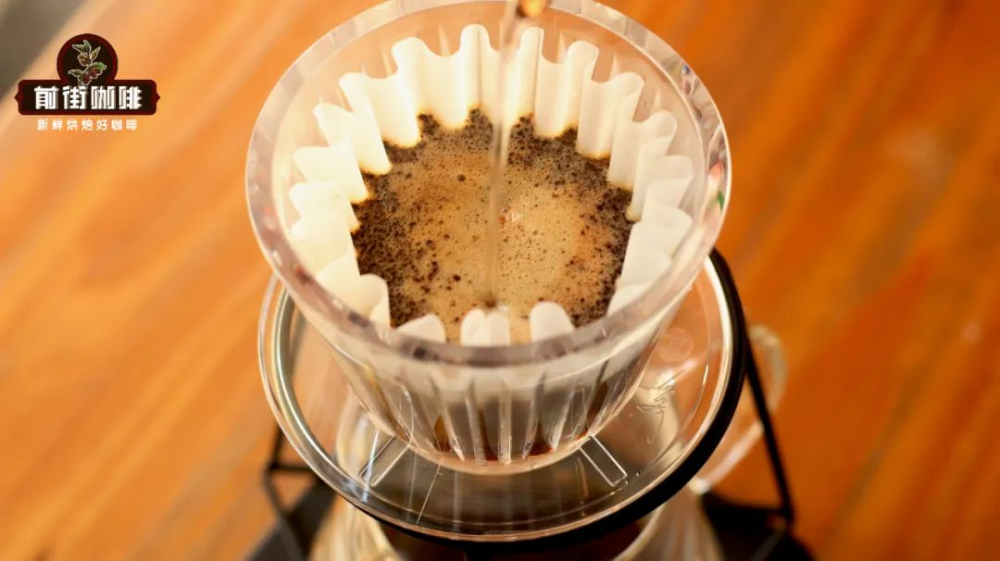
Pouring Technique: The Technical Core of Dynamic Balance
Once water temperature, coffee-to-water ratio, and grind size are set within reasonable ranges, the pouring technique becomes a key tool for adjusting extraction uniformity. Pouring techniques include water stream size, swirling path, and pouring stages, all aimed at ensuring even water contact with the coffee grounds for consistent extraction. Common brewing methods such as single-pour, three-stage, 4-6 pours, or even the vortex method each have their appropriate contexts, but the core principle remains achieving uniform extraction.
For beginners, it’s recommended to start with a stable three-stage pour. As long as you control the water stream speed and swirling rhythm, it can be applied to most coffee beans. However, pouring technique is also the hardest variable to standardize, as it’s easily influenced by the brewer’s hand feel and experience. If you find the coffee flavor lacking balance, you can flexibly adjust the pouring strategy—such as extending the pour time, altering the water volume per stage, or splitting the final pour—to extend the contact time between coffee and water and improve extraction completeness.
For example, using 15 grams of coffee, a 1:15 coffee-to-water ratio, 91°C water temperature, and 80% sifted grind size, with a three-stage pour (30ml, 95ml, 100ml), if the coffee flows too quickly into the server after the second pour, resulting in a total brew time under 1 minute 50 seconds, you can split the final 100ml into two 50ml pours, slowly circling with a small stream, ultimately achieving a total extraction time of 1 minute 55 seconds. This helps bring out a richer juiciness and layering.
In summary, the flavor performance of pour over coffee is the result of multiple parameters working together. Water temperature, coffee-to-water ratio, grind size, and pouring technique each play their role and influence one another. Mastering these fundamental elements and making flexible adjustments based on actual extraction conditions will allow you to gradually brew coffee with stable and layered flavors.
The above content is compiled by CoffeeHunters, a coffee news website.


