







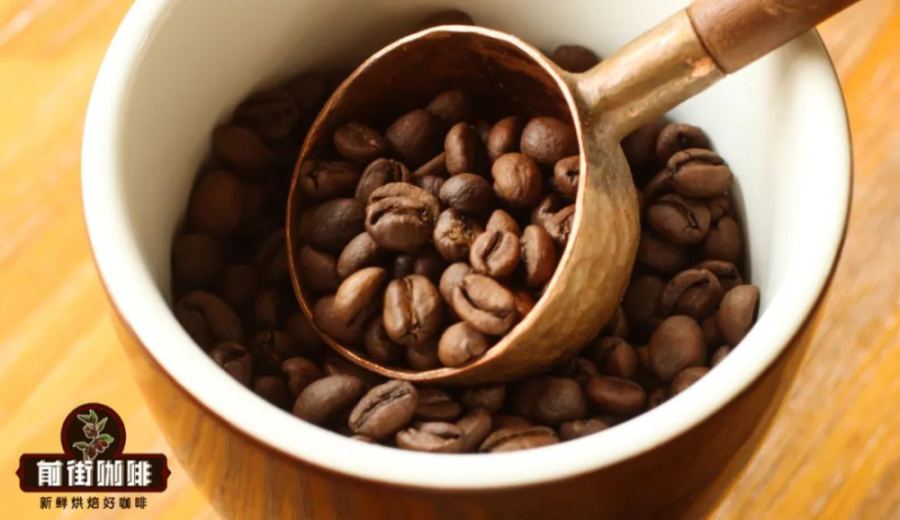
Introduction:After seeing the scene in The Knockout where Gao Qiangchun chews on coffee beans, many people have become curious: can coffee beans actually be eaten directly? What do they taste like? And does this method lead to greater caffeine intake? This article delves into the historical uses of coffee beans, the differences between green and roasted beans, and how varying roast levels affect flavor. From the perspective of the Golden Cup extraction standard, it analyzes the difference in caffeine intake between chewing dry beans and brewing them, while also exploring the sensory experience and potential health risks associated with chewing coffee.
In recent years, due to a popular TV drama scene in which the protagonist Gao Qiangchun chews coffee beans when stressed, many viewers have begun to wonder: can you really eat coffee beans directly? What do they even taste like? Especially among those concerned about caffeine intake, there's greater curiosity about whether this way of eating results in more caffeine consumption.
In fact, when coffee beans were first discovered, they were indeed consumed directly as food by chewing. According to coffee studies, the Oromo people of Ethiopia used to crush coffee cherries, mix them with animal fat, and make an energy-rich "power pill" that helped them endure long journeys or battles — a tradition that is still partially preserved today. Another widely circulated legend, The Tale of the Coffee Shepherd, tells of a shepherd named Kaldi who noticed his goats becoming energetic after eating coffee beans. Upon trying them himself, he felt invigorated, showing that coffee was initially used as a stimulating food ingredient.
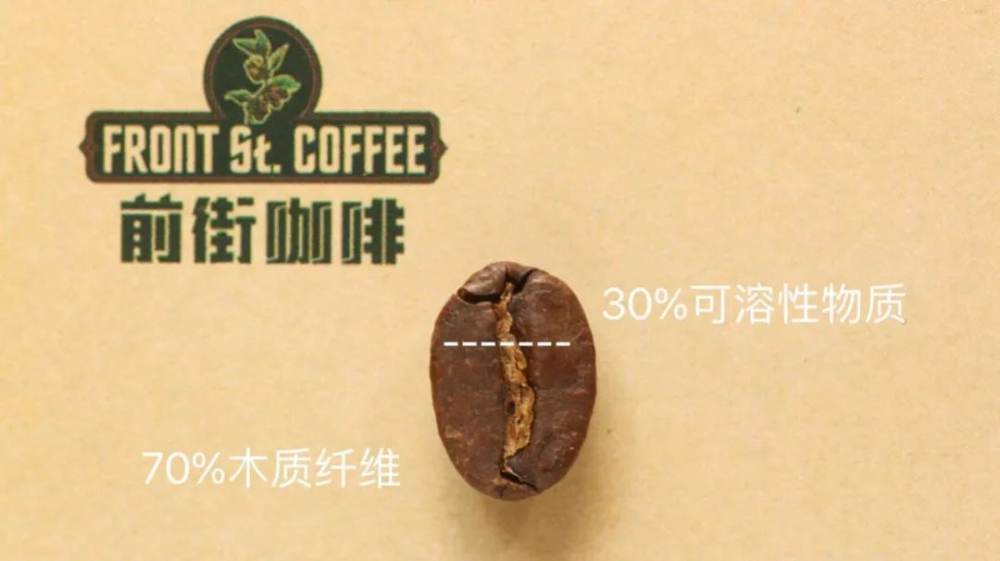
However, although there is historical precedent for chewing coffee beans, the practice never became widespread — for a very simple reason: the taste is extremely unpleasant. Coffee beans are about 30% soluble flavor compounds, with the remainder mostly consisting of woody fibers. Chewing them is akin to biting into wood, making it hard to swallow.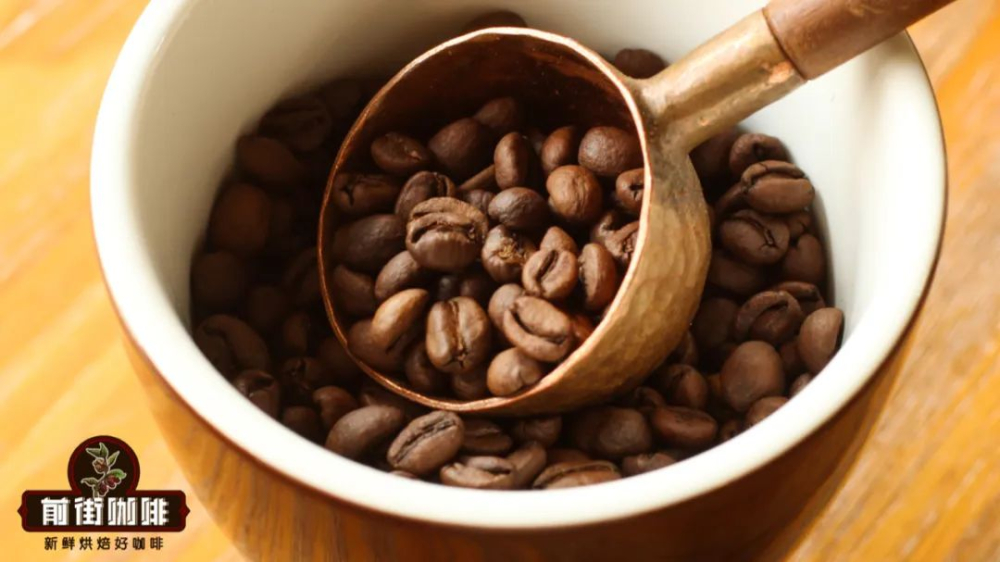
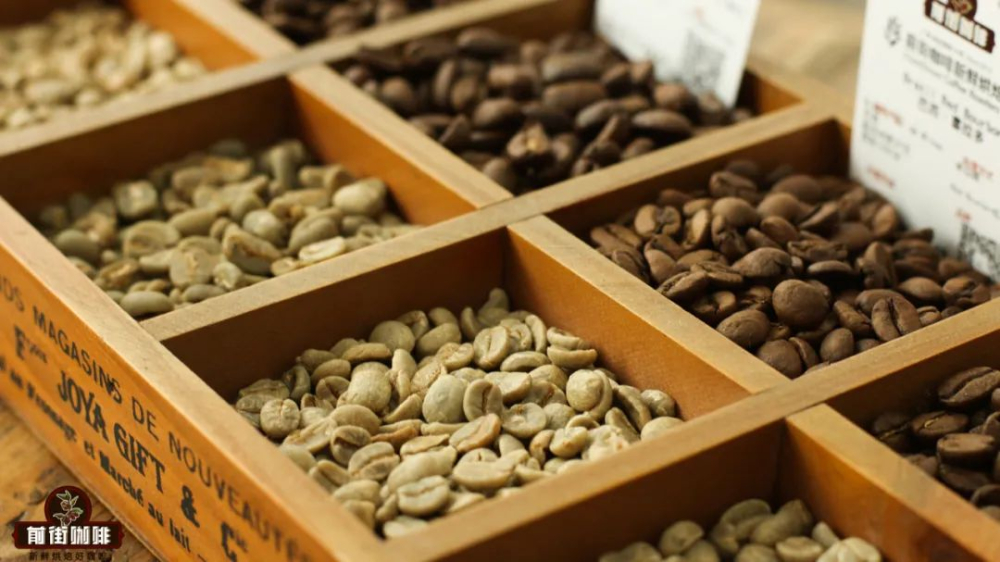
If we talk about texture, roasted beans have a slight edge over green beans. Green beans are dense and hard, and have not yet released their aromatic compounds through high-temperature roasting, making the direct eating experience poor. In contrast, roasted coffee beans undergo Maillard reactions and caramelization due to the high heat, generating hundreds of aromatic compounds. Meanwhile, the bean structure becomes looser and more brittle, making dry chewing more palatable sensorially than eating green beans. However, the degree of roast still plays a significant role:Light roast beans, due to their low expansion rate, high density, and lack of brittleness, are hard for those with weaker teeth to bite into;Dark roast beans, having expanded fully and achieved good brittleness, are relatively easier to chew, which is why they are often found in coffee-flavored snacks or beverage ingredients.
So, does chewing coffee beans dry provide a richer flavor, and does it really result in more caffeine intake? Let’s start with caffeine: during typical pour over or brewing processes, to avoid extracting too much bitterness and astringency, only about 20% of the soluble substances are usually extracted — this is known as the “Golden Cup” extraction standard. When chewing directly, in theory, one could consume around 30% of all the bean’s contents, including a naturally higher proportion of caffeine. In other words, in terms of intake efficiency, chewing dry beans may indeed lead to more caffeine consumption.
But in terms of flavor, the situation is quite different. Although the moment you bite into a coffee bean, the internal aroma is released along with the cracking of the bean, offering an intense olfactory experience similar to that of grinding beans, this is limited to the sense of smell. The actual flavors perceivable by the taste buds are extremely limited. What you mainly experience after chewing is a strong bitterness, along with an uncomfortable sensation from coffee grounds in the throat — it’s impossible to savor the various layers of flavor like you would when drinking coffee, such as fruity acidity, caramel sweetness, or nutty finish.
That said, some studies indicate that chewing coffee beans still has certain positive psychological effects. Because roasted beans have a crispy texture, chewing such foods often triggers the brain to release pleasure signals, producing a kind of stress relief. Additionally, the “crunch” sound produced during chewing stimulates the auditory nerves, enhancing overall satisfaction with the experience. A study from the University of Oxford in the UK showed that when people hear louder sounds produced by their own eating, they psychologically perceive the food as tastier.
Overall, while chewing coffee beans directly can offer the burst of aroma and a relatively higher concentration of caffeine, it also comes with noticeable bitterness, a foreign-body sensation in the throat, and an overall unpleasant texture due to excessive woody fibers. Even choosing dark roast to reduce some discomfort, long-term or excessive consumption may still burden the stomach and teeth, and the associated health risks should not be ignored.
Therefore, the professional recommendation is: if out of curiosity, trying one or two beans occasionally is harmless, but it should not become a habit or addiction. After all, the greatest value of coffee beans lies in releasing their full flavor through brewing, providing the optimal drinking experience. Whether considering flavor appreciation, intake efficiency, or health factors, brewing coffee beans into a drink is the most appropriate choice.
The above content is compiled by CoffeeHunters, a coffee news website.


