







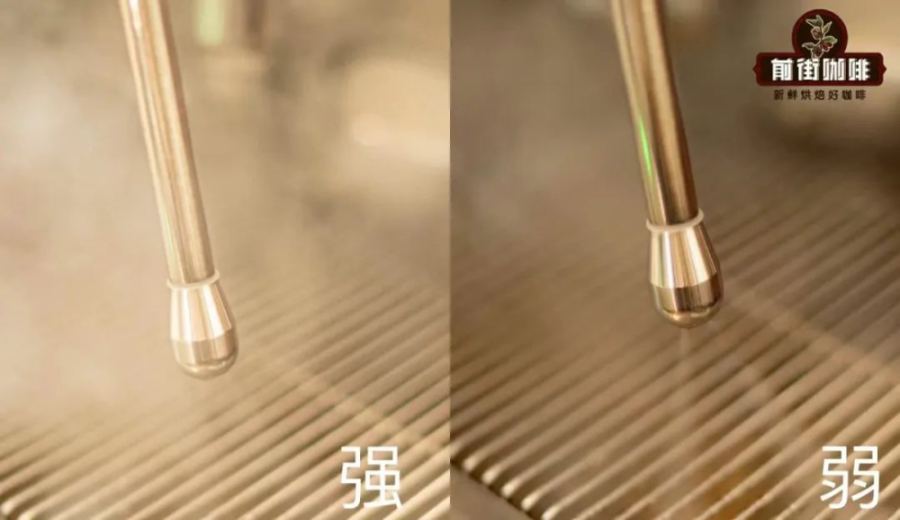
Introduction:When you notice that the steam power of your espresso machine is getting weaker—not only does it become less efficient at frothing milk, but the texture of the milk foam also becomes coarser—it’s very likely caused by clogged steam wand nozzles. This article delves into the real reasons behind weakened steam output, helps you understand from the root how milk residue affects steam performance, and provides detailed steps for unclogging the nozzle, methods for soaking and cleaning, as well as essential maintenance tips often overlooked in daily use. It will help you easily restore your machine’s strong steam power and consistently produce fine, velvety milk foam.
When using an espresso machine to make cappuccino or latte, if you find that the steam output is not strong enough, it not only affects the speed of milk frothing but also directly impacts the fineness and stability of the foam. In fact, this common issue mostly stems from clogged steam wand nozzles, especially the milk residue that forms milk scale. Over time, this buildup can severely obstruct the release of steam. This article will help you understand the reasons behind weakened steam and provide practical nozzle cleaning procedures and daily maintenance advice to keep your machine in optimal condition.
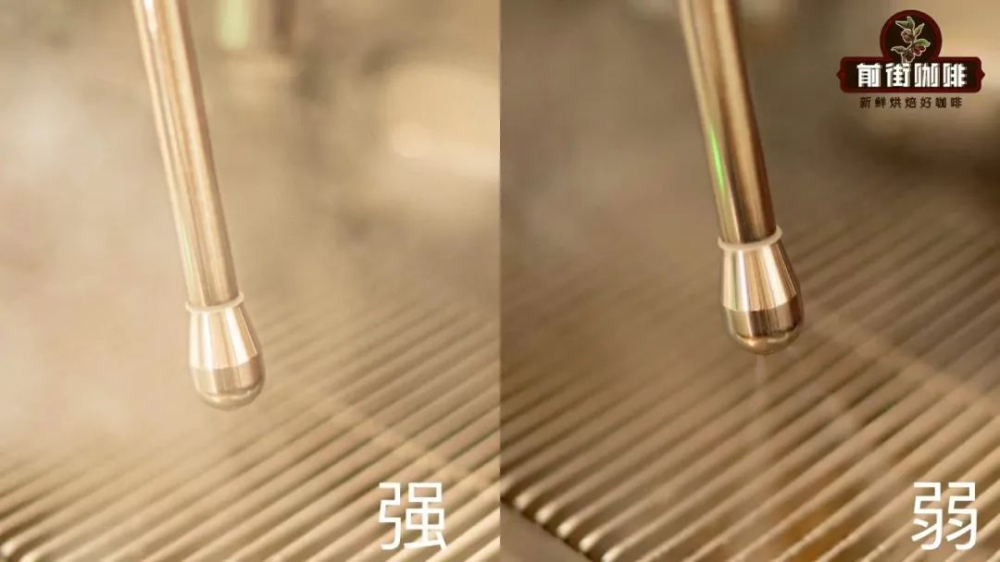 Some coffee enthusiasts might think that as long as they spend a bit more time heating the milk, they can still produce foam in the end, so it’s not a big problem. But in reality, overheating the milk can cause the initially formed foam structure to become loose and gradually break down, resulting in foam that lacks elasticity and fineness. This makes it easy for latte art to appear blurry or unclear, affecting both the visual and taste experience. Therefore, identifying and solving the root cause of weakened steam is key to improving coffee quality.
Why does steam get weaker over time? Usually, if there is no obvious sound of steam leakage when the machine is idle, then the problem can almost certainly be traced to the steam wand nozzle. The front end of the steam wand is typically designed with multiple small holes of uniform size, arranged at different angles. This design allows the steam to be emitted in a swirling manner, which helps the milk form a consistent vortex and thus produce fine microbubbles.
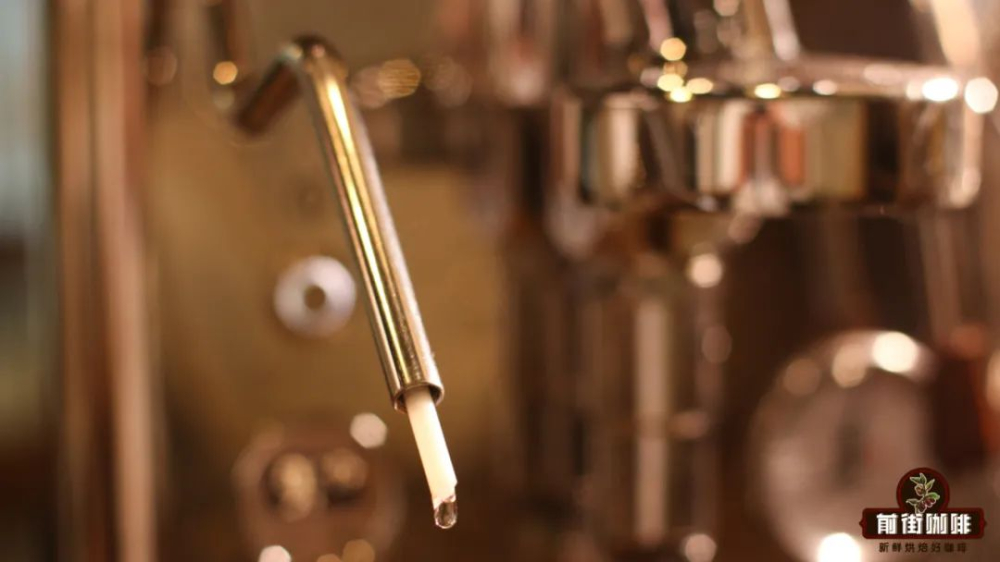
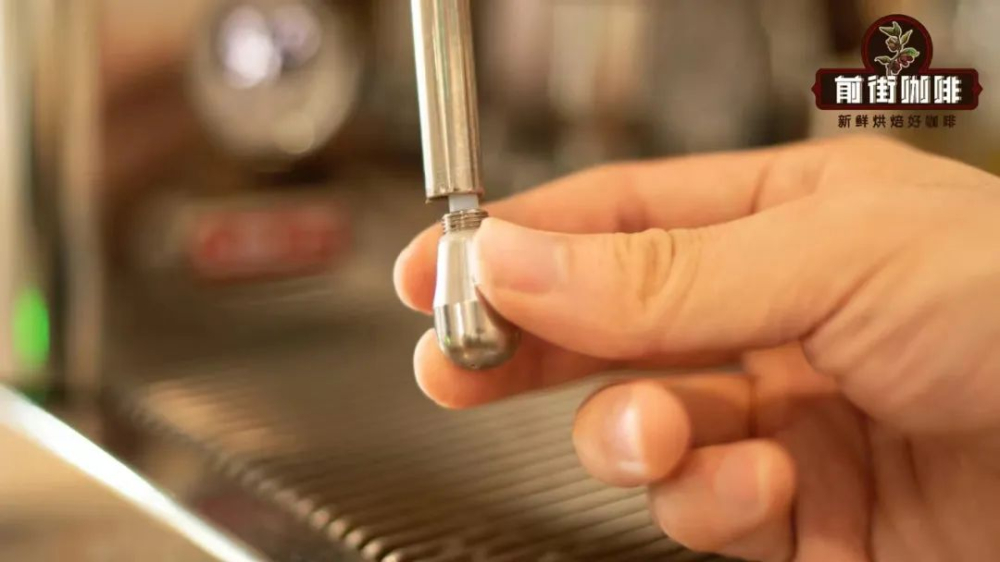 These tiny holes have a very small diameter and limited total opening area, so the steam needs to pass through at high pressure and speed to effectively froth the milk. Steam is delivered through a thin white tube (similar to a straw) inside the nozzle. When this channel or the external nozzle holes are blocked, the speed and pressure of the steam will significantly decrease, leading to a decline in milk foam quality.
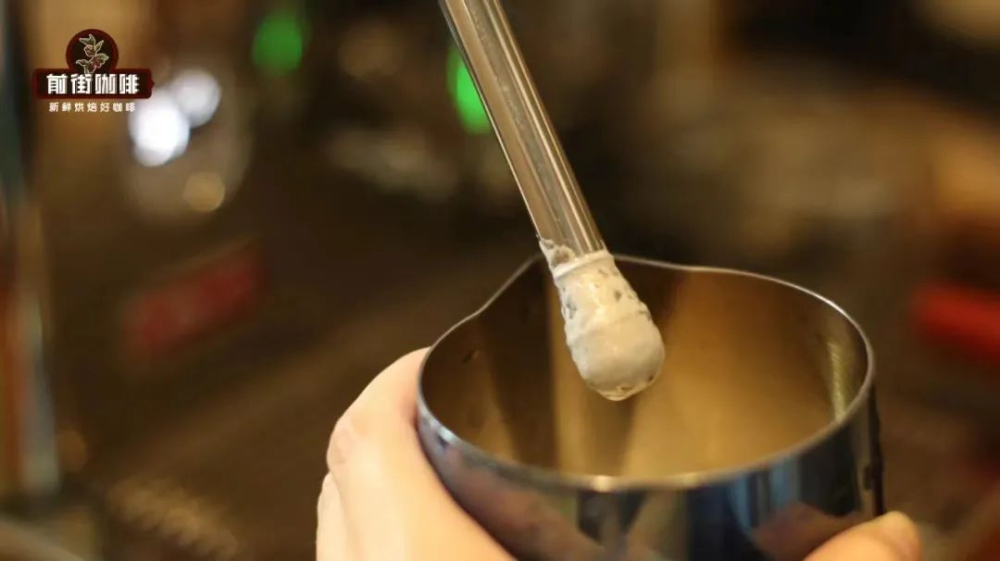
When you notice that your espresso machine is functioning normally but the steam output is not as strong as before, it’s very likely that the small holes in the steam wand nozzle are clogged with milk scale. This milk scale is mainly formed by the residue and subsequent drying of proteins, fats, and lactose from milk under high-temperature steam. Especially if not cleaned promptly, these substances will gradually accumulate on the surface of the nozzle and inside the tiny holes, eventually preventing steam from flowing smoothly.
To solve this problem, you can proceed with cleaning in two main steps: First, use a fine needle or a specialized cleaning tool to carefully remove the milk scale from the nozzle holes. Since blockages usually build up over time, simply rinsing often isn’t enough for thorough cleaning, so this step is crucial. It’s recommended to use a magnifying glass or flashlight to inspect the inside of the holes during the process to ensure each one is completely clear.
 Next, mix an appropriate amount of descaling powder (or a specialized coffee machine cleaner) with hot water, and soak the disassembled steam wand nozzle in the solution. It’s generally recommended to soak for several hours, and if the situation is more severe, you can choose to soak it overnight to ensure the milk scale is fully softened and dissolved. After soaking, rinse the nozzle thoroughly with clean water and make sure no cleaning agent residue remains, then reattach it to the machine.
This type of deep cleaning is recommended once a week, especially in environments where the steam wand is used frequently. However, simple daily maintenance is equally indispensable. Before and after each use of the steam wand, it’s advisable to perform an “empty purge”—that is, let steam shoot out for a few seconds without touching milk—to help clear any residual moisture and impurities inside. Additionally, after use, immediately wipe the nozzle with a damp cloth or a specialized cleaning sponge to prevent milk residue from drying and forming hard milk scale.
Keeping the steam wand clean not only extends the lifespan of your espresso machine but also ensures that every foam you produce has the ideal texture and stability, making your latte art more precise and beautiful. By mastering the correct cleaning steps and adopting good daily maintenance habits, you can effectively prevent nozzle blockages and allow your espresso machine to consistently deliver excellent steam performance.
The above content is compiled by CoffeeHunters, a coffee news website.


