







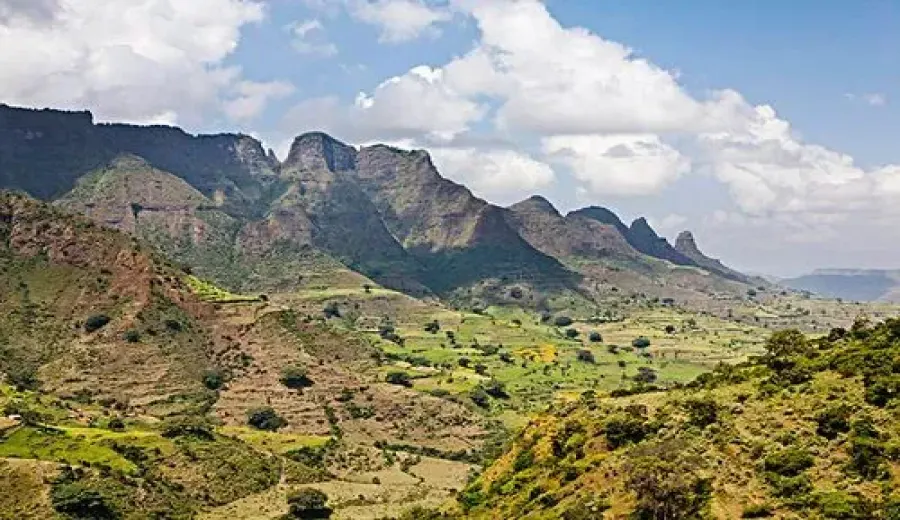
Introduction:Yirgacheffe is one of Ethiopia’s most representative coffee-growing regions, renowned for its distinctive citrus notes and delicate floral aromas. This article delves into its geographical environment, administrative divisions, sub-region characteristics, and provides a detailed overview of the evolution from traditional natural processing to washed methods. It helps readers fully understand this globally sought-after specialty coffee region, while grasping its flavor profiles and processing features.
Yirgacheffe is a gem in Ethiopia’s coffee landscape, celebrated for its bright acidity, rich fruity and floral aromas, and unique citrus character, securing its place in the global specialty coffee market. Nestled in the high-altitude region of the Sidama Zone, this area benefits from ideal natural conditions—including suitable elevation, fertile soil, and ample rainfall—that produce coffee beans with distinct and well-defined flavor layers.
Prior to 1972, Yirgacheffe primarily employed traditional natural processing methods, which at the time were relatively rudimentary and often resulted in inconsistent coffee quality. It wasn’t until the introduction of washed processing techniques that the region gradually developed the clean, bright flavor profile it is now famous for. This shift also led to Yirgacheffe’s separation from the Sidamo region, establishing it as one of Ethiopia’s officially recognized and important coffee-producing areas.
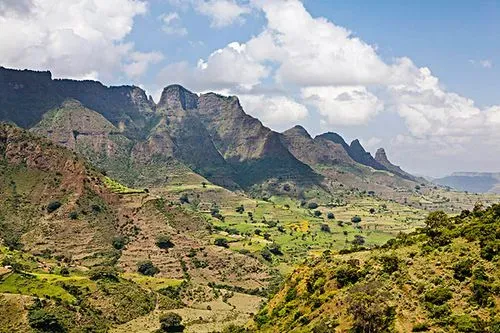
The African continent is known for its diverse terrain and climate, with an average elevation of about 750 meters, earning it the title "the plateau continent." It is home to numerous volcanoes, lakes, and rivers, and due to its position straddling the equator, enjoys consistently high temperatures year-round, providing an excellent environment for agriculture. Among its crops, coffee plays a key economic role—especially in countries like Ethiopia, Kenya, and Tanzania. Ethiopia is regarded as the birthplace of coffee, boasting the world’s richest diversity of native coffee varieties, with its coffee industry deeply rooted in both nature and history.
Much of Ethiopia’s terrain consists of mountainous plateaus, with over two-thirds of the country lying on the Ethiopian Highlands, averaging around 2,450 meters in elevation. The East African Rift Valley runs through the nation, with many areas reaching nearly 3,000 meters above sea level. The high altitude contributes to a cool climate, with an average annual temperature of about 16°C, significant diurnal temperature variations, and distinct dry and rainy seasons. The region receives approximately 1,237 mm of rainfall per year, and its nearly 50 volcanoes enrich the soil with minerals—conditions that make Ethiopia an ideal place for coffee cultivation.
Administratively, Ethiopia is divided into 12 states and 2 autonomous administrative regions, encompassing 10 major coffee-growing zones. Among them, Sidamo, Jimma, Harar, Guji, and Yirgacheffe are internationally recognized and well-known origins. Notably, both Guji and Yirgacheffe were originally part of the Sidamo region but were later established as independent zones due to their distinctly different flavor profiles.
Yirgacheffe is administratively a town within the Sidama Region (formerly known as the Sidamo State). The Sidama Region was officially established as a separate state in 2019 following a referendum from the Southern Nations, Nationalities, and Peoples' Region. The area is mountainous, with Lake Abaya bordering its western side—a wetland area abundant in water resources. The climate here is consistently humid and mild, making it highly suitable for coffee cultivation. Coffee in this region is grown at elevations ranging from approximately 1,750 to 2,200 meters. With ample sunlight and very fertile soil, the coffee develops intense and layered flavors. For example, a washed Yirgacheffe coffee launched by a certain brand is known for its jasmine floral notes, lemony acidity, and bright berry tones. It has a refreshing taste and a long-lasting aftertaste, making it a popular entry-level choice for many newcomers to specialty coffee.
However, the Yirgacheffe region encompasses more than just the town itself—it also includes surrounding sub-regions such as Wenago, Kochere, and Gedeb. Although these areas are individually small in scale, they share similar high-altitude and microclimatic conditions, resulting in coffee with closely related yet uniquely distinct flavor profiles. For instance, Wenago is located about 26 kilometers north of Yirgacheffe town, Kochere about 25 kilometers to the south, and Gedeb roughly 60 kilometers away—all are significant coffee-producing areas.
Due to Ethiopia’s overall low level of industrialization, with an economy primarily based on agriculture, coffee farming is mostly carried out through smallholder garden coffee systems. This type of coffee is typically grown around farmers’ homes, intercropped with other plants, and harvested by the farmers themselves, who handpick only the ripe cherries before delivering them to processing stations—either through intermediaries or directly. As a result, many coffee beans are sold on the market under the names of sub-regions or processing mills, such as Kochere or the Kotu Cooperative, which are commonly found on specialty coffee bean menus.
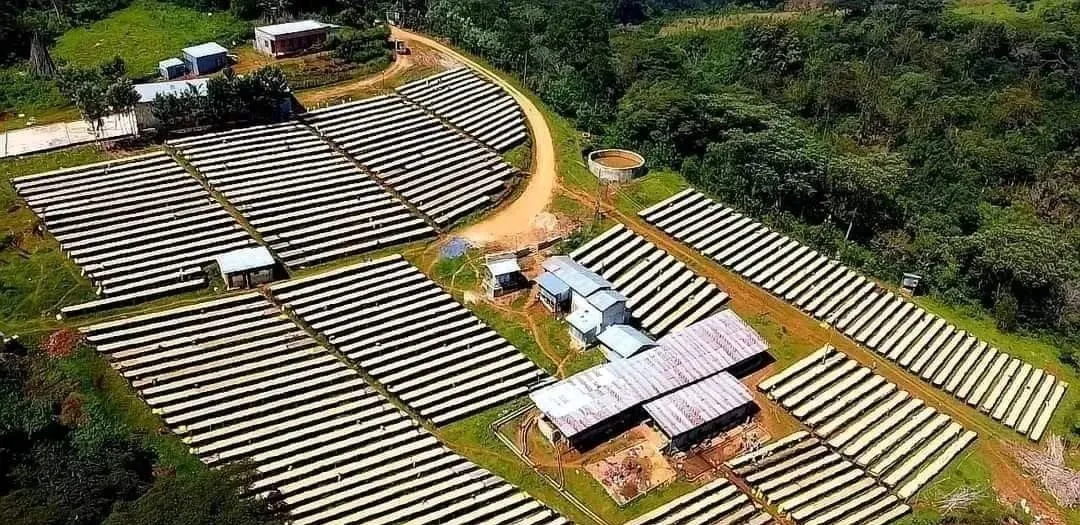
Historically, Yirgacheffe initially relied mainly on natural (dry) processing, where coffee cherries were typically spread out to dry on the ground or simple raised beds. This method was prone to contamination from dust, insects, or weather conditions, often leading to flavors with more impurities and inconsistent quality. It wasn’t until 1972, when the Ethiopian government, aiming to enhance overall coffee quality and international competitiveness, introduced washed processing technology originating from Central America and established specialized washed processing facilities locally. This move not only significantly improved the cleanliness and consistency of the coffee but also helped highlight its signature citrus, floral, and tea-like characteristics—solidifying its status as an independent producing region.
To this day, washed processing remains the predominant method in Yirgacheffe. Its typical flavor profile features bright white floral notes, distinct lemon acidity, and a refreshing green-tea-like mouthfeel. These traits create an interesting contrast with Sidamo coffees, which also come from Ethiopia. However, with the evolution of specialty coffee trends, local producers have gradually begun experimenting with other processing methods—such as natural (dry), anaerobic natural, and others—bringing greater flavor diversity to this traditional region and offering coffee enthusiasts varied tasting experiences full of layers and surprises.
The above content is compiled by CoffeeHunters, a coffee news website.


