








Introduction:When brewing espresso, have you ever noticed a layer of black fine particles settling at the bottom of the cup? This is actually a common phenomenon known as "fines." Many people worry whether it indicates equipment malfunction or issues with coffee quality. This article delves into the sources of these black particles, whether they affect health, and practical concerns such as whether portafilters deform under high pressure. It also explains the actual particle size of fines to help you better understand the fundamentals of espresso extraction.
During the espresso brewing process, you may sometimes find a layer of tiny black particles settled at the bottom of the cup. This puzzles many coffee enthusiasts and may even lead them to worry about spoiled coffee beans or machine problems. In fact, these small black particles are what we call "fines"—the finest particles in ground coffee. Due to their extremely small size, they can easily pass through the filter holes of the portafilter and mix into the final coffee liquid during high-pressure extraction.
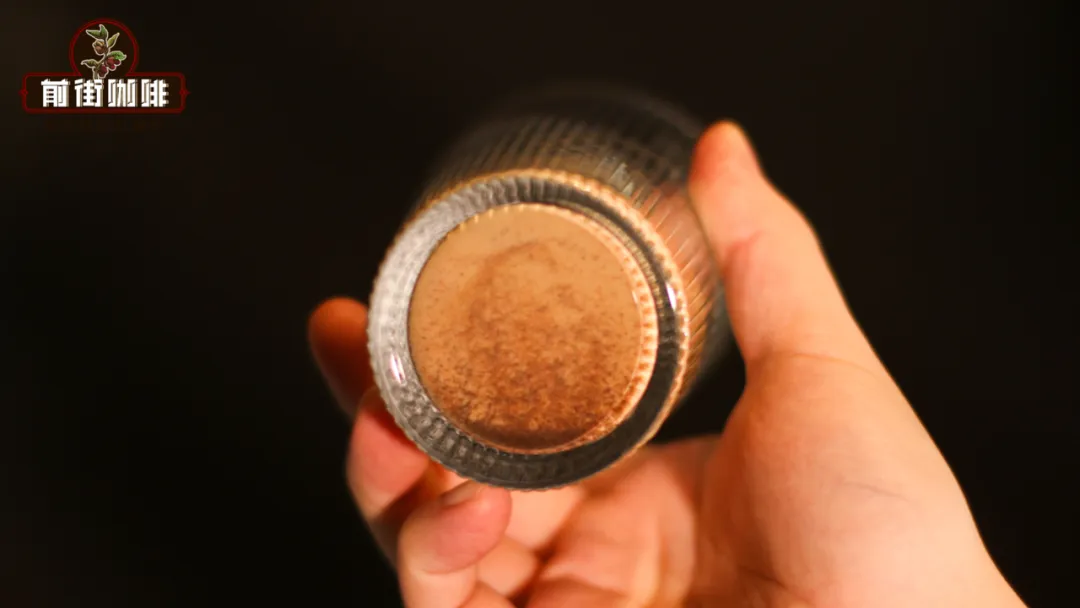
These fines are initially often mixed within the crema (the coffee's oily layer) and are not easily noticeable. It’s only after the bubbles in the crema gradually burst that they slowly settle to the bottom, forming the dark layer we see. This phenomenon isn’t limited to espresso machines—it can also commonly occur when using pressurized brewing devices like moka pots.

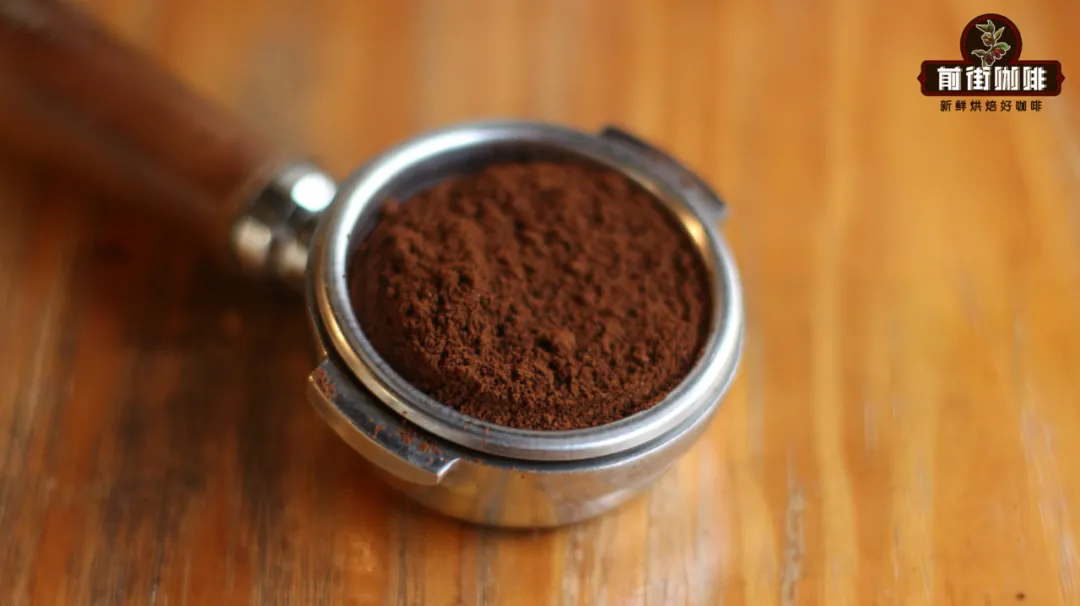
Coffee grounds are composed of lignocellulosic fibers. Although the particle size of fines is very small, under normal brewing conditions, the amount ingested by the human body is extremely limited and poses no negative impact on health, so it’s safe to drink. However, if you notice a large amount of fines settling, it may indicate that the grind is too fine or the tamp is uneven. It’s recommended to adjust the grind settings appropriately to achieve more stable extraction quality.
So why can these fines pass through the filter holes of the portafilter? The key lies in their extremely small size. Generally speaking, the particle size of fines can reach **50 to 100 micrometers**, or even smaller, while the diameter of standard portafilter filter holes is typically around **500 to 1000 micrometers**. Therefore, fines can easily pass through the holes and enter the coffee liquid.
Under the high-pressure environment of an espresso machine (typically **9 to 10 bars**), this phenomenon becomes even more pronounced. High pressure not only accelerates the flow of water through the coffee puck but also pushes these tiny particles through the filter limitations, eventually ending up in the cup. So, if you see a bit of black sediment at the bottom of your cup, it’s actually one of the normal outcomes of high-pressure extraction.

As for whether the portafilter deforms under high pressure, this is also a concern for many users. Currently, most high-quality portafilters on the market are made from stainless steel or high-strength plastic materials, and their designs already take high-pressure extraction needs into account. Under normal use, significant deformation is unlikely. However, if low-quality portafilters are used over the long term or if operated beyond the designed pressure limits, the structure of the portafilter may eventually be compromised, affecting the stability of extraction.
It’s recommended to regularly inspect the portafilter for cracks, deformation, or wear—especially when replacing to a new one. Choose reputable brands and materials to ensure smooth extraction and avoid unnecessary issues with fines. Additionally, when tamping coffee grounds, maintain consistent and even pressure. Over-tamping or uneven force can also exacerbate the production of fines.
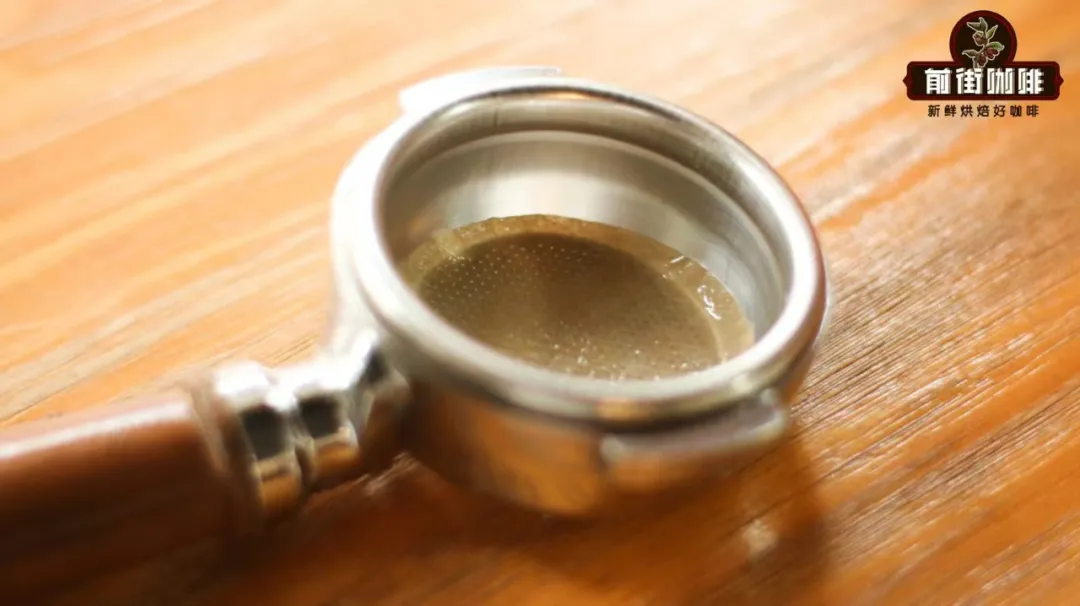
In summary, the black fine particles at the bottom of an espresso cup are a natural occurrence of fines. Their extremely small size allows them to pass through the portafilter filter holes and enter the coffee liquid, and they are more likely to mix into the final beverage under high pressure. These fines come from lignocellulosic fibers, but the amount ingested is minimal and harmless to health, so there’s no need for excessive concern.
At the same time, as long as you use a high-quality portafilter and maintain appropriate grind size and tamping techniques, the portafilter is also unlikely to deform under pressure. Understanding these details helps you more professionally control the quality of espresso extraction and enjoy a more stable and delicious coffee experience.

The above content is compiled by CoffeeHunters, a coffee news website.


