








Introduction:In professional coffee preparation, cleaning cloths may seem insignificant, but they are key tools in maintaining hygiene and consistent flavor. Many beginners wonder why baristas always have multiple cloths designated for different purposes. In fact, each cloth is distinct in function—whether in moisture level or cleaning target—and must never be used interchangeably. This article will delve into the correct applications of five commonly used cleaning cloths, including for wiping portafilters, steam wands, espresso machines, and countertops, and teach you how to manage them effectively by color or material to enhance cleaning efficiency and professionalism.
During the process of making espresso, aside from the well-known distribution tools like the WDT tool, distribution cone, and engraving tools, cleaning cloths also play an indispensable role. Many coffee enthusiasts may share the same question: why do professional baristas use five different cleaning cloths at once? Are they truly the coffee gods in charge of cloths?
In reality, each of these five cloths has its own specific duty, with clear differences in moisture levels and hygiene requirements depending on their use. Using them improperly can not only affect coffee quality but also increase the risk of bacterial growth. Next, we’ll break down the actual uses and correct methods for these five cleaning cloths, helping you understand the professional cleaning logic behind the barista’s routine.

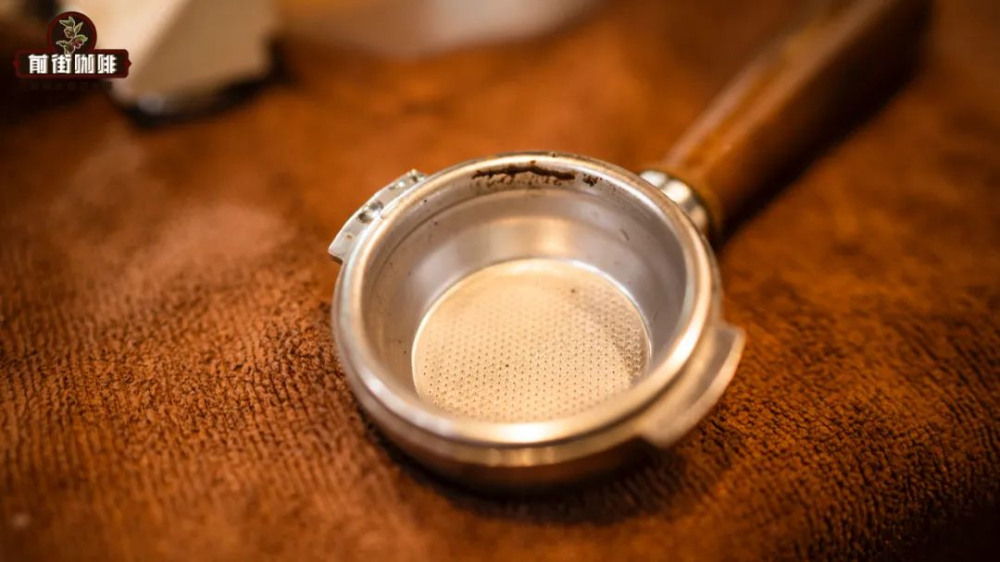
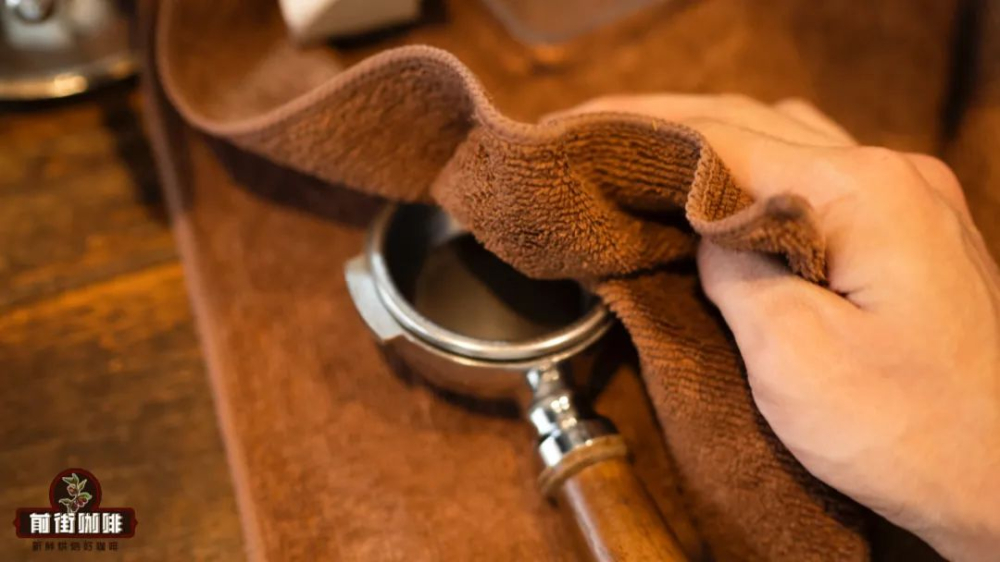
The first is the cloth used to wipe the espresso machine portafilter. After extracting a shot of espresso and knocking out the puck, small coffee grounds or water stains from rinsing often remain inside the portafilter. If these residues are not promptly removed, they can directly impact the flow rate and flavor profile of the next extraction.
It is recommended to use acompletely dry clothto clean it immediately, in order to avoid moisture affecting the coffee puck’s density and extraction uniformity. This dedicated “portafilter cleaning cloth” is usually kept dry to ensure that each wipe effectively removes residues and prepares for the next extraction.

The second cloth is used to wipe cleaned cups and is a dry cloth. If cups are not dried immediately after washing, residual water droplets can evaporate and leave unsightly marks on the rim or inner walls—not only affecting visual appeal but also potentially raising customer concerns about hygiene.
This cup-cleaning cloth is typically hung above the espresso machine, where the heat from the machine helps keep it dry, allowing it to quickly remove moisture from cup surfaces and prevent water stains. Please note that this cloth should be regularly replaced and washed to maintain good cleaning effectiveness and hygiene.
The third essential cloth is the familiar “milk cloth.” It is mainly used to wipe milk residue off the steam wand. It’s worth noting that milk heated by steam can evaporate very quickly, and using a dry milk cloth to wipe it not only makes it difficult to thoroughly remove milk buildup but may also damage the fabric fibers due to high temperatures.
The correct approach is to use aslightly damp milk clothfor cleaning, which can effectively dissolve and carry away milk residues on the steam wand, preventing clogs and odors. At the same time, it is recommended to wash the milk cloth immediately after each use to prevent bacterial growth.
The fourth cloth is specifically designed for cleaning the exterior of the espresso machine, especially the control panel and areas prone to splashes. During extraction, if an unbottomless portafilter is used improperly, channeling effects can cause coffee liquid to splash and contaminate the machine’s surface.
This cloth needs to be dampened before use to effectively remove dried coffee stains. Keeping this cloth clean and replacing it regularly can significantly reduce the accumulation of external stains on the espresso machine, maintaining its appearance and hygiene.

The last cloth is the common countertop rag, primarily responsible for cleaning various stains on the service area, such as spilled milk, coffee liquid, or marks left by customers. Since it comes into direct contact with customer-used areas, this cloth requires higher cleaning frequency and hygiene standards—it should be kept clean at all times and disinfected regularly.
Additionally, to avoid confusion, most professional coffee shops use different colors or patterns to distinguish the functions of these five cloths—for example, using a dark color for the portafilter cloth and a light color for the milk cloth, with clear labeling of their purposes. When purchasing, it is recommended to choose durable, easy-to-clean, and highly absorbent fabrics, and replace them regularly based on actual usage to ensure overall hygiene and professionalism in the coffee-making environment.
The above content is compiled by CoffeeHunters, a coffee news website.


