







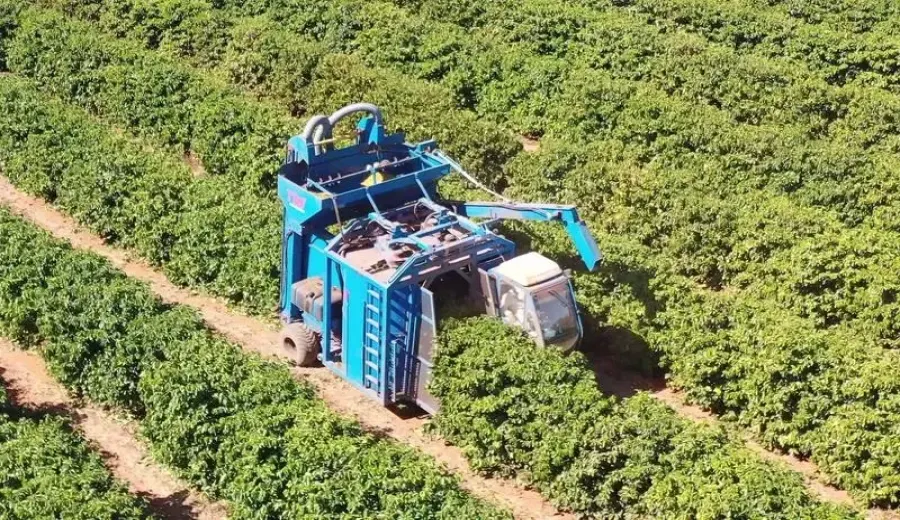
Introduction:As the world’s largest coffee producer, Brazil has entered the mid-stage of this year’s harvest season, with picking progress surpassing the five-year average. However, extreme weather conditions—marked by high temperatures and drought—are posing a serious challenge to production. This article provides an in-depth analysis of drought distribution across Brazil’s major producing regions, the reasons behind declining yields, the latest fluctuations in global Robusta and Arabica bean prices, and the potential further impacts of the upcoming La Niña phenomenon. It aims to help readers grasp market trends and price movements.
Currently, Brazil is in the peak of its coffee harvest. The latest data shows that national harvesting has reached approximately 58%, higher than the five-year average of 54%. While this progress may seem smooth, it masks an underlying production crisis. Persistent high temperatures and lack of rainfall, although facilitating the picking process, have severely affected the growth and development of coffee cherries, resulting in smaller bean sizes and a noticeable decline in yield per unit area.
According to observations by several local agricultural analysis agencies, many coffee cherries have not reached standard size. This not only affects their visual quality but also increases the difficulty of filling standard packaging—what used to be a 60-kilogram bag of coffee beans now requires more small beans to meet the weight. In some regions, actual yields have only reached 30% to 70% of original expectations, sparking widespread market concerns about supply tightening. 60 kilograms of coffee beans now require packing more small-sized beans to meet the standard. In some regions, actual output has only reached 30% to 70%of the original expectations, sparking widespread market concerns about tightening supply.
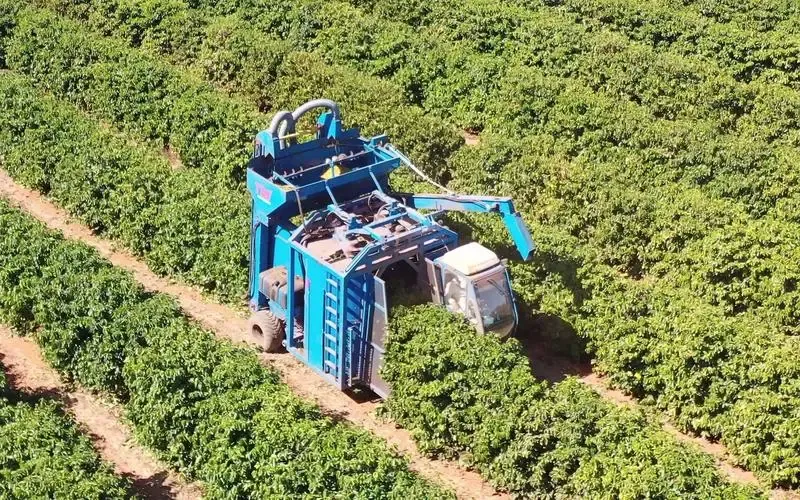
Professional institutions such as the Marex Group have revised downward their production estimates for Brazil’s Arabica coffee this season, with cuts as high as 2.6 million bags(calculated per 60-kilogram bag), the total production forecast has been revised down to 44 million bags. Other local analysis agencies have further suggested that overall output may fall short of initial projections by as much as 10% to 15%. Particularly in certain farms in the northern part of Espírito Santo state, the decline is even more staggering.
Meanwhile, multiple major coffee-producing regions in Brazil are facing unprecedented water shortages. Take the Alta Mogiana sub-region in São Paulo state, for example—it has gone without any rainfall for over 100 days saw not a single drop of rain. Minas Gerais received only 1.3 millimetersof rainfall in the past week, merely 24%of the region’s historical average, after having already endured three consecutive weeks without any precipitation.
Although earlier forecasts predicted cold fronts, their actual impact was limited—temperatures only dropped briefly before quickly rising back to high levels, with no significant rainfall. Brazil’s largest coffee cooperative, Cooxupé, pointed out that since May this year, rainfall has generally been low across the country, with water levels in some rivers noticeably dropping and soil drought conditions reaching alert thresholds. Cumulative water deficits in nearly all of the country’s producing regions have exceeded 20 millimeters or more.
Among these, the Cerrado region in Minas Gerais is facing the most severe situation, with a cumulative water deficit of 44 millimeters, which has officially triggered an official drought warning. Additionally, the current average temperature in the area is also about 2°Chigher than the historical average for the same period, further exacerbating moisture evaporation and delivering a double blow to coffee tree growth. Weather forecasts indicate that in the coming weeks, only Paraná may experience sporadic light rainfall, while the vast majority of producing regions will continue to face dry conditions.
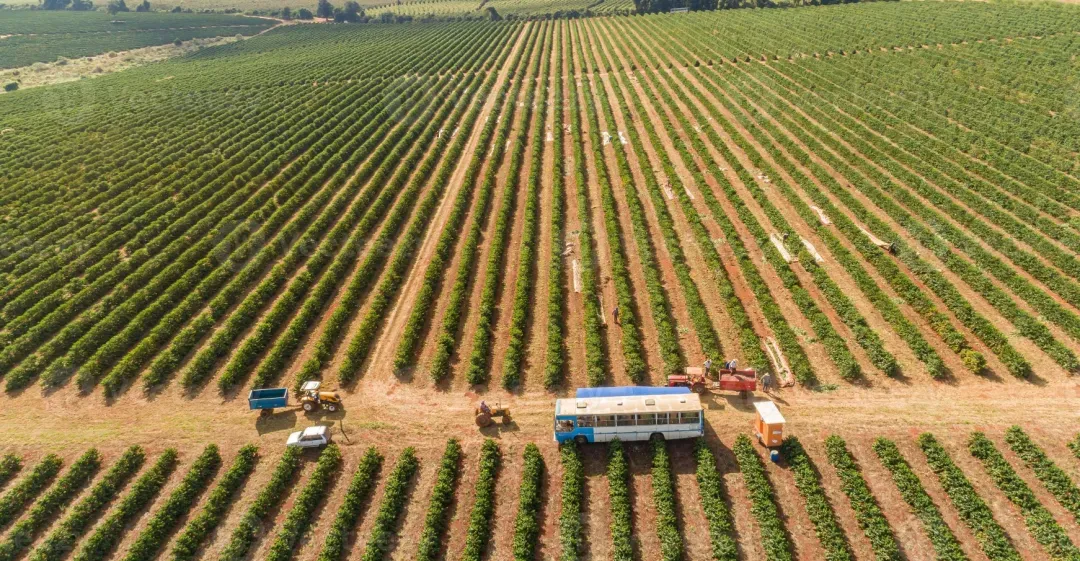
The direct consequence of reduced yields is a broad-based rise in both domestic and international coffee spot and futures prices. According to statistics from Brazilian local media,June 2024 The domestic Robusta coffee spot price average has reached 1,214.21 Brazilian reaisper bag (approximately 224 US dollars), marking not only the highest level since 2001but also a 20.6%increase compared to May of the same year. Arabica spot prices have also risen in tandem, reaching 1,349.21 reaisper bag (about 249 US dollars), up 15%from the previous period.
On the international market, Robusta futures prices had already climbed to $4,000 per metric ton, which has now surged to $4,627due to the worsening situation in Brazil. Arabica futures prices have also climbed as multiple countries in the Americas (including North America) are experiencing droughts that are tightening supply, with current prices standing at 317.8 US cents per poundper pound.
Looking ahead, the market is widely concerned about the potential threat of a new La Niña phenomenon. Over the past few years, extreme weather events triggered by La Niña in Brazil—such as severe droughts and frosts—have led to coffee production declines of over 20%. And the new round of La Niña is expected to form soon, which may further suppress 2025/26 season coffee output in Brazil, posing longer-term challenges to the global supply chain.
For coffee consumers and enthusiasts, the stability of Brazilian bean supply and price trends will directly affect daily beverage choices and costs. Keeping a close eye on regional weather changes and market dynamics will help anticipate coffee quality and price trends in the coming seasons.
The above content is compiled by CoffeeHunters, a coffee news website.


