








Introduction:Milk brew (Milk Brew) is an innovative coffee brewing method that has emerged in recent years, using milk instead of water as the extraction medium to create a milk coffee with a soft and layered flavor profile. This article delves into the principles of low-temperature, long-duration steeping, introduces recommended coffee-to-milk ratios,such as a coffee-to-milk ratio of 1:10 to 1:13, and provides two practical methods—using drip bags or tea infusers—to help you easily make a rich and aromatic milk-brewed latte at home.
The appeal of low-temperature extraction lies in its ability to effectively suppress the release of common bitter and astringent substances in coffee, while imparting a unique fermented character and deep aroma through prolonged steeping. In recent years, “Milk Brew”—the innovative practice of replacing the water in cold brew with milk or plant-based milk—has gradually gained popularity among coffee enthusiasts. This technique elevates milk from a mere mixer to the main player, directly participating in flavor extraction and delivering a distinctly different tasting experience.
 Traditional cold brew involves steeping coffee grounds in cold water for an extended period to extract a black coffee base. In contrast, “Milk Brew” flips the script by substituting water with milk, transforming milk from a carrier into a key player in flavor extraction. This milk cold brew not only tastes great but also benefits from the proteins and fats in milk, which slow down flavor release, resulting in a smoother, creamier mouthfeel.
Why choose milk as the extraction medium? Many people are drawn to the silky texture of milk coffee, such as the classic Caffè Latte, which retains the aroma of coffee while offering the natural sweetness and velvety body of milk. In milk cold brew, milk is no longer just a diluent or blending agent but interacts with the coffee grounds over an extended period, together crafting a milk coffee with moderate concentration and gentle flavor.
Compared to regular cold brew, the milk fat and proteins in milk reduce the release rate of certain compounds, making the extraction process gentler and ultimately yielding a rounder, lower-acid coffee flavor with a rich milky tone.
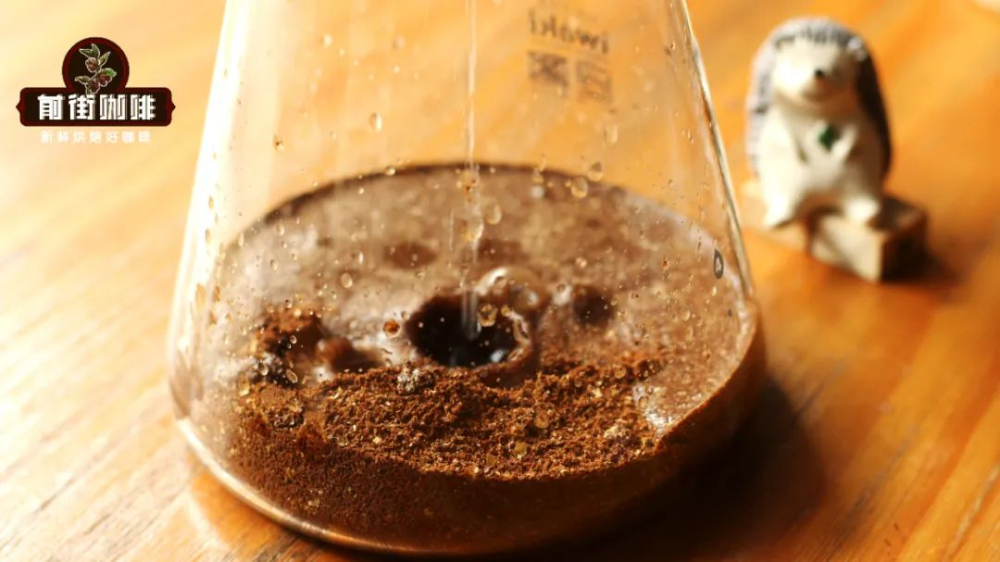 So, how do you make milk cold brew? The steps are actually quite simple—just master a few key parameters and techniques, and even beginners can get started with ease. From selecting the coffee beans, determining the coffee-to-milk ratio, to managing steeping time and choosing equipment, each step influences the final flavor.
When it comes to selecting coffee beans, it’s recommended to choose medium to dark roasts with notes of caramel, chocolate, hazelnut, or cream, such as the commonly available Brazilian Queen Estate or Colombian Huila beans. Alternatively, Italian-style blends with fermented wine-like or buttery cookie aromas are also ideal for making milk-brewed coffee. These beans pair perfectly with milk, bringing out a rich and balanced flavor profile.
Regarding the coffee-to-milk ratio, after multiple experiments,it is recommended to control the ratio of coffee to milk between 1:10 and 1:13. This range allows the milk coffee to achieve the perfect concentration—rich yet smooth on the palate, similar in flavor to a stirred Dirty Coffee. If you prefer a bolder taste, you can adjust the ratio accordingly, but bear in mind that milk has slightly lower extraction capability than water, so the steeping time should be extended as needed.
There are two main brewing methods: the direct steeping method and the tea infuser method. The direct steeping method only requires a clean airtight container and filter paper. You simply place the coffee grounds directly into the milk to steep, allowing for more complete flavor release—usually taking about 5–6 hours—but the filtering step is more time-consuming. The tea infuser method involves placing the coffee grounds in a filter bag before immersing them in the milk. While the extraction efficiency is slightly lower, it makes filtering much easier. It is recommended to extend the steeping time to around 8 hours to achieve sufficient flavor.
 Recommended parameters are as follows: use 20 grams of medium to dark roasted coffee beans (such as those from Elida Estate · Catuai), ground to a coarseness similar to superfine sugar (EK43s grind setting 10 or 80% passing rate through a Chinese No. 20 sieve), paired with 200 grams of fresh milk, at a coffee-to-liquid ratio of 1:10, and steep in the refrigerator at a low temperature for 8 hours. When preparing, place the coffee grounds in a tightly sealed tea infuser bag to prevent powder leakage, ensuring the milk fully saturates the coffee pouch, then let it sit refrigerated undisturbed.
Once the steeping is complete, simply remove the coffee pouch with ease, and enjoy a chilled, rich milk-brewed latte. This milk coffee features a bold, thick flavor profile, often accompanied by aromas reminiscent of peach cookies. It is recommended to serve with ice cubes for an even better mouthfeel. Please note that because milk spoils easily, it is best consumed the same day to ensure both beverage freshness and gastrointestinal health.
If you only have drip bags and fresh milk on hand, you can still easily make milk-brewed coffee. For example, using 10 grams of drip coffee, it is recommended to pair with 100–130 milliliters of fresh milk. If using a 250-milliliter pack of milk, you can use 2 drip bags for a bolder flavor. During preparation, there is no need to unwrap the drip bags—just place the drip bags (filter and all) directly into the milk, gently shake to mix, seal, and refrigerate overnight. The next day, give it a shake and remove the drip bags before serving.
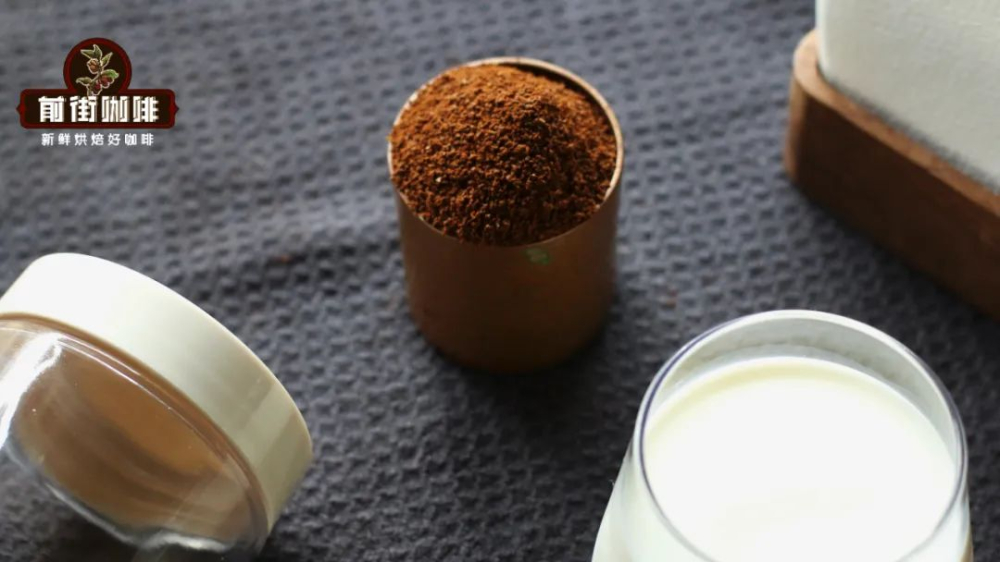 When using drip bags, be sure to remove the outer paper shell to ensure the filter bag is in direct contact with the milk, avoiding any impact on flavor from packaging materials. This method is quick and convenient, making it perfect for busy coffee lovers, and still allows you to enjoy the unique charm of milk cold brew.
The above content is compiled by CoffeeHunters, a coffee news website.


