







Introduction:Want to learn how Papua New Guinea coffee—dubbed the “Little Blue Mountain”—evolved through history? This article takes you deep into the Chimi Farm in the Central Highlands Province to explore how a cooperative of smallholder farmers from the Opais ethnic group, through washed processing and strict quality control, produces specialty coffee with distinctive regional character. We also share a well-received Sigri Estate Bird of Paradise bean as a flavor reference to help you better understand this captivating origin.
Although Oceania is the smallest continent in the world, its location within the Pacific Ring of Fire has given rise to numerous volcanic islands and unique geographical environments, fostering many high-quality agricultural products. Among them, Papua New Guinea coffee is praised as the “Little Blue Mountain of Oceania” due to its flavor profile being close to that of Jamaican Blue Mountain. The country’s coffee industry began to take shape in the late 19th century, evolving through variety introductions, climate changes, and market transitions, gradually forming today’s specialty coffee landscape.
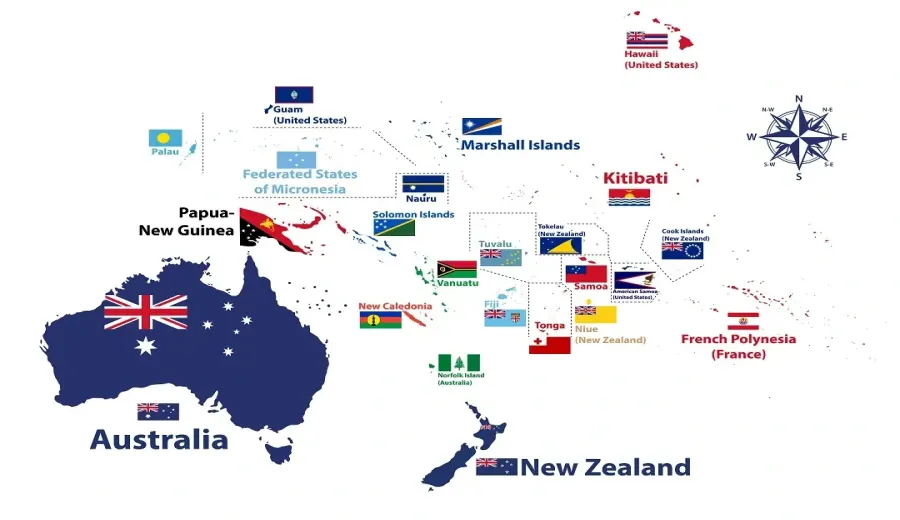
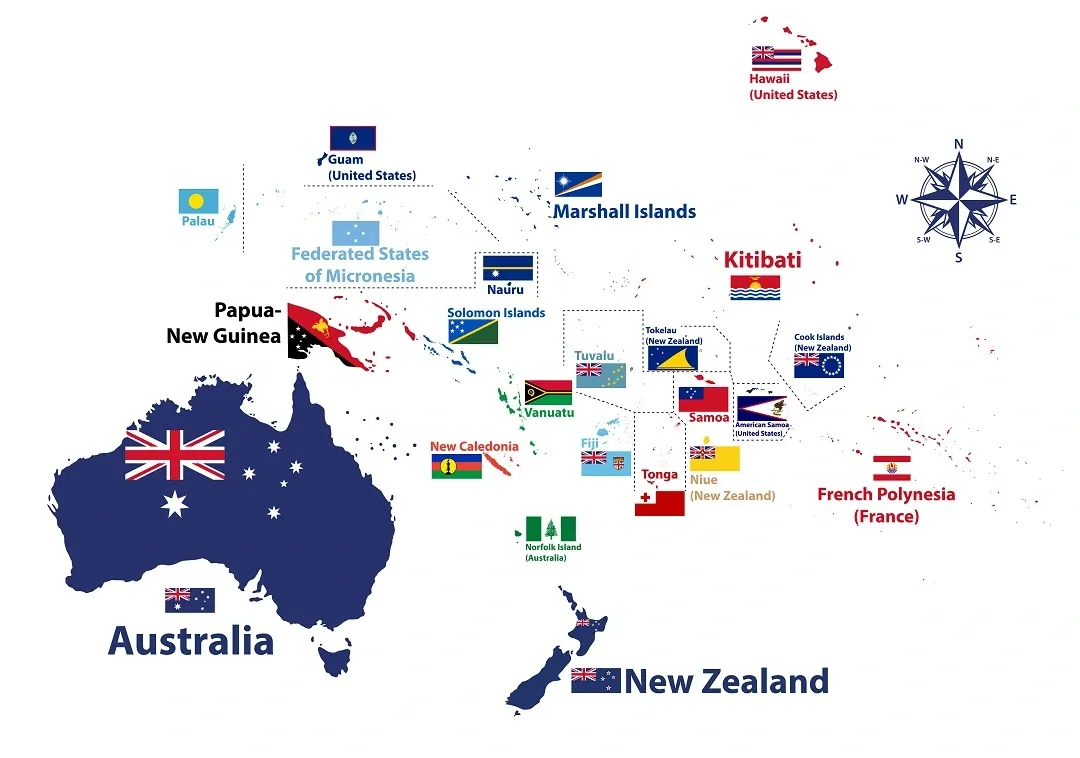
Papua New Guinea is located in the South Pacific and is the world’s second-largest island. Its terrain is dominated by the central mountain range, with plains and hills to the north and south respectively. As it straddles multiple tectonic plates, the island is dotted with volcanoes, creating fertile volcanic soils. Coupled with cool and stable climates at high altitudes, it provides an ideal environment for coffee cultivation. The average annual temperature across the country ranges between 21 to 32°C, with distinct wet and dry seasons.Highland areas above 1,000 meters are particularly suitable for growing Arabica coffee..
Dating back to the 1890s, coffee was first introduced to Papua New Guinea, but initial cultivation was sporadic and did not form an industry. It wasn’t until 1931, when the region was still a British colony, that the authorities introduced the Typica variety from Jamaican Blue Mountain, laying the foundation for the local coffee quality. Subsequently, varieties such as Kenya’s Bourbon, Brazil’s Mundo Novo, and Caturra were also introduced, significantly enriching the country’s coffee gene pool.
The year 1975 marked a pivotal turning point for Papua New Guinea’s coffee industry. That year, Brazil experienced a severe frost, leading to a global coffee supply shortage. This unexpectedly prompted the Papua New Guinean government to invest resources in helping rural areas expand coffee planting areas and establish over 20 hectares of demonstration farms. By 1990, the country’s annual coffee production had exceeded one million bags, firmly establishing it as one of the world’s major Arabica-producing regions.
Currently, coffee cultivation in Papua New Guinea is mainly concentrated in five highland provinces in the central region: Western Highlands, Eastern Highlands, Chimbu, Morobe, and East Sepik. These areas are mostly located near volcanic belts, featuring fertile and well-drained soils, along with moderate altitudes, resulting in coffees that generally exhibit bright acidity and rich complexity.
Among them, the Western Highlands and Eastern Highlands provinces, surrounded by ancient dormant volcanoes, have soils with high organic matter content, producing coffee that represents the premium grade. The renowned Sigri Estate is located in the Western Highlands Province. Its “Bird of Paradise” coffee beans are often described as having aromas of caramel, cocoa, and almonds. When brewed at lower temperatures, they also reveal a refreshing citrus acidity, offering a well-balanced and layered flavor profile that is highly favored by many pour over coffee enthusiasts.
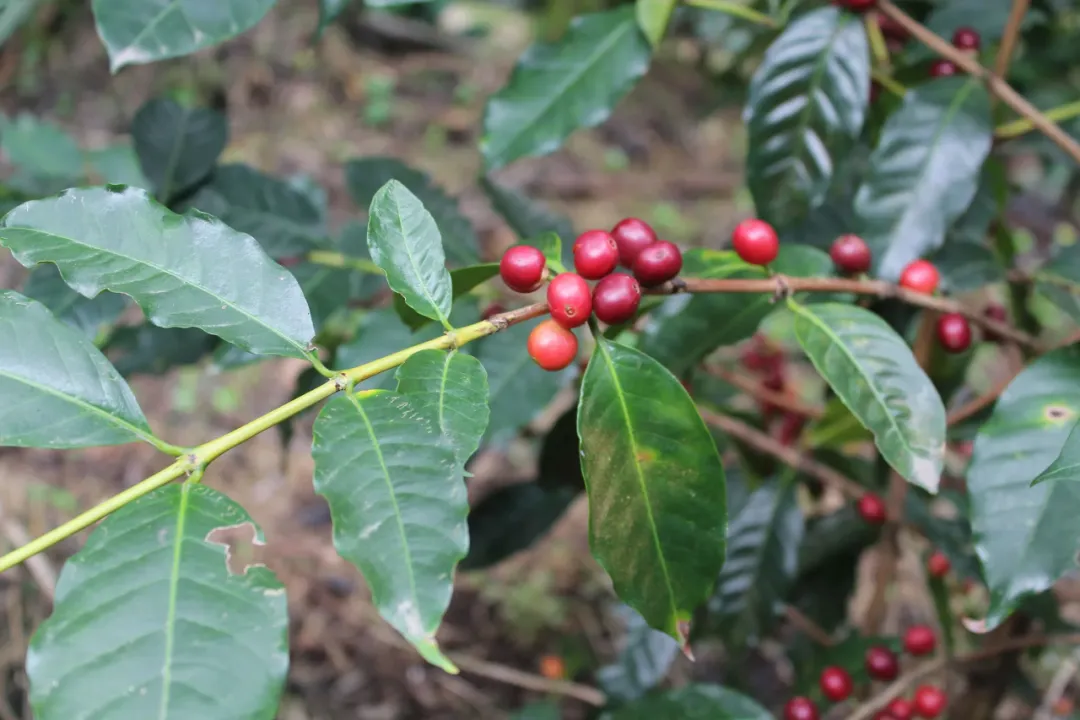
In the Eastern Highlands Province, the Kimel Farm (Kimel) is a rising star. Located in the Wagi Valley and adjacent to the Kimel River Valley, the farm is operated by several smallholder farmers from the local Opais ethnic group, forming a small private cooperative. Beyond its favorable natural environment, the Kimel Farm also has a professional washed processing facility, ensuring that every step from harvesting to processing meets stable quality standards.
Thanks to the large diurnal temperature variation at high altitudes and rigorous washed processing procedures, the coffee from Kimel Farm typically showcases delicate fruit acidity, smooth body, and unique herbal and floral flavor notes. For coffee lovers looking to deeply experience the terroir of Papua New Guinea, the products from this farm are an unmissable choice.
The above content is compiled by CoffeeHunters, a coffee news website.


