







Introduction:Violence between drug cartels in Chiapas, Mexico has escalated, forcing over 600 residents to flee to neighboring countries for safety. The region’s coffee-growing areas have also been severely affected. As the country’s largest coffee-producing state, Chiapas accounts for 44% of Mexico’s total coffee output. Now facing both cultivation disruptions and climate challenges, the region is expected to see a potential 50% drop in production for the 2024/25 season. This article delves into how the conflict is impacting the coffee supply chain and explores possible price fluctuations in the international market.
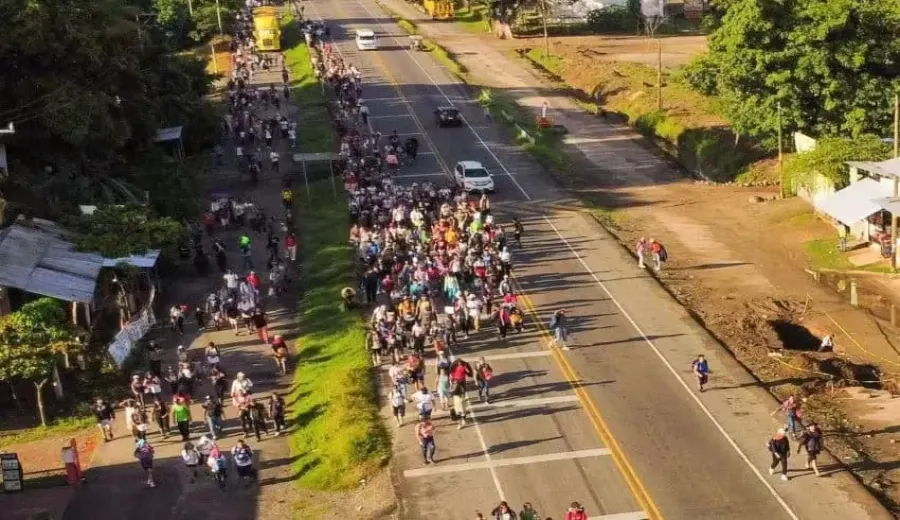
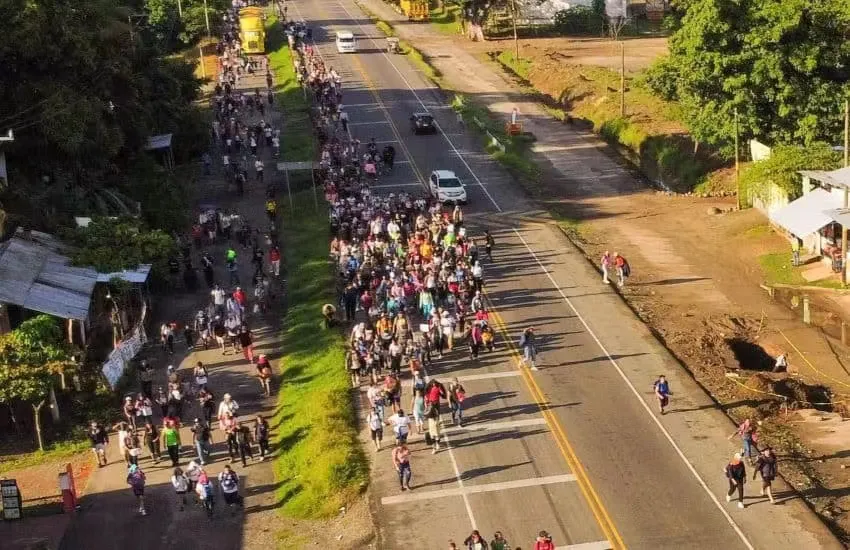
The violent situation in Chiapas, southern Mexico, continues to worsen. Gun battles and retaliatory attacks between drug cartels have resulted in at least 19 deaths, with nearly 600 residents fleeing across the border to Guatemala to escape the fighting. This area is not only home to many livelihoods but also one of Mexico’s most important coffee-producing regions.
Chiapas’ coffee cultivation spans nine major producing areas, accounting for44%of the country’s annual output, supported by around178,000family-run coffee farms. However, as the conflict intensifies, many farmers have been forced to abandon their farms and flee to neighboring countries, leaving vast coffee plantations unattended and, in some areas, even deliberately destroyed.
In fact, the challenges faced by these coffee farmers go far beyond the unrest. In the first half of this year, extreme drought conditions in various parts of Mexico have already dealt a severe blow to coffee cultivation. Approximately80%of the country’s coffee-growing regions have been impacted by high temperatures and scarce rainfall, and the industry predicts that coffee production for the 2024/25 season could decline sharply by as much as50%.Now, with ongoing armed conflict further damaging manpower and infrastructure, the situation is likely to become even more dire.
Guatemalan authorities report that over580Mexicans have entered the country seeking refuge, mainly in small communities along border areas. Although local communities have tried their best to provide assistance, it is expected that more displaced people will arrive in the coming days, increasing pressure on accommodation and resource distribution.
According to local media, the conflict is primarily between the Sinaloa Cartel and the Jalisco New Generation Cartel. The two groups have been vying for control of drug trafficking routes in the region for nearly three years, resulting not only in numerous casualties but also frequent incidents of robbery and forced conscription of young people. Reports indicate that criminal groups have even compelled teenagers as young as15years old to join the fighting.
Faced with such turmoil, although the Mexican military and National Guard have been deployed to the area, many residents report that they have not seen effective protection measures, leaving civilians still exposed to significant risks. In July of this year, the city of La Concordia saw at least 20 deaths due to similar clashes, and the situation has only worsened since.
For the global coffee market, the unrest in Chiapas brings not only a humanitarian crisis but also a heavy blow to the supply chain. Mexico is currently the world’s eighth-largest coffee producer and ninth-largest exporter. This sharp drop in production, coupled with already tight supplies in overseas markets due to declining yields in major producing countries like Brazil, Vietnam, and Indonesia, is expected to lead to greater upward pressure on international coffee prices.
For coffee enthusiasts, understanding the dynamics of these producing regions can help provide a more comprehensive view of market trends. If you’d like to experience the unique flavor profiles of different origins firsthand, consider exploring professional recommendations and tasting the distinct characteristics and brewing variations of coffees from each region.
The above content is compiled by CoffeeHunters, a coffee news website.


