







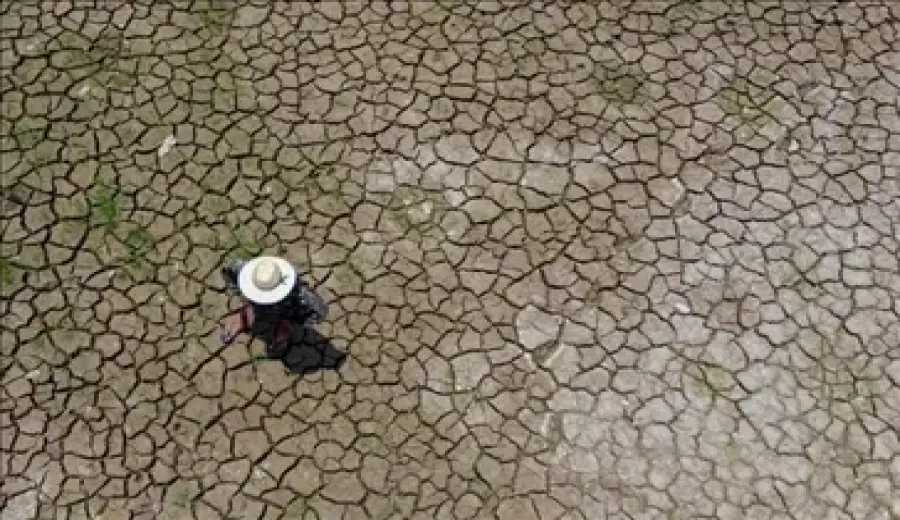
Introduction:In 2024, over 1,000 cities in Brazil have been hit by severe drought, especially key coffee-growing regions such as Minas Gerais, which have experienced continuous high temperatures and scarce rainfall. This has led to restricted crop growth and accelerated harvesting schedules. This article takes you deep into the actual impacts of this drought, including the soaring frequency of wildfires, tightening domestic inventories, and the reasons behind an expected 4% reduction in coffee supply for the 2024/25 season—helping coffee professionals and enthusiasts stay on top of the latest developments in the global supply chain.
According to the latest report released by the Brazilian government on July 24, more than a thousand cities across the country are now facing either “special drought” or “severe drought” conditions, with experts assessing the drought level as the most severe in the past 70 years. Not only has rainfall been far below historical averages, but the number of wildfires has also reached a ten-year high, posing significant challenges to agricultural production and the ecological environment.
Among the many affected areas, the northern states of Amazonas and Mato Grosso do Sul have been particularly hard hit. In Amazonas, all 62 administrative regions have entered a state of emergency, with the capital city of Manaus recording a significant drop of 54 centimeters in the water level of the Rio Negro in July. As a result, the state government announced the activation of an 180-day environmental emergency response plan. The sudden drop in water levels has also affected inland shipping, with some areas even experiencing shortages of supplies and drinking water.
Similarly devastated, Mato Grosso do Sul is home to the Pantanal, the world’s largest wetland area. Satellite data from Brazil’s National Institute for Space Research (INPE) shows that between July 1 and 23 this year, the wetland experienced 619 wildfires—about 40% higher than the annual average—with an estimated burned area ranging from 5,992 to 7,946 square kilometers, equivalent to the size of five São Paulo cities. This not only threatens local ecosystems but also indirectly affects surrounding farming areas.
Although the most severely affected areas are concentrated in the north and west, central and southern regions have not been spared. Especially Minas Gerais—one of Brazil’s most important coffee-producing states—recorded an average temperature as high as 33°C in July, with rainfall totaling just 10 millimeters. As early as May, water levels in some rivers had already dropped noticeably, and soil moisture remained consistently low. In some areas, water shortages were 20 to 40 millimeters higher than the same period in previous years, triggering official drought warnings, with the dry spell showing signs of worsening.
Faced with continuously deteriorating natural conditions, coffee-growing regions across Brazil have had to accelerate their harvesting pace. According to statistics from the internationally renowned investment bank Safras, as of recently, Brazil has completed 74% of its total annual coffee production. While this helps secure the harvest of ripe beans, it also brings some fruits that are not fully mature to market earlier, potentially affecting overall flavor consistency.
On the other hand, the 2023/24 coffee export season in Brazil set a new record, reaching 47.3 million bags (each weighing 60 kilograms), demonstrating strong international market demand. However, due to the significant increase in exports coupled with already limited domestic inventories, current stock levels have notably declined. With the added risk of potential reduced output in the new season, the industry generally predicts that Brazil’s coffee supply for the 2024/25 season will decrease by approximately 4%, which is undoubtedly a major warning signal for the global coffee market.
It is worth noting that Minas Gerais is not only Brazil’s largest coffee-producing region but also a major global supplier of Arabica beans. If this drought persists, it will not only impact the output of a single region but could also affect the supply stability and price trends of the global specialty coffee market. Coffee professionals and importers need to closely monitor climate changes and regional developments in the coming months to prepare for possible supply chain adjustments.
In summary, Brazil’s current thousand-city drought is not just a localized disaster but a major variable in the global coffee supply chain. From harvesting schedules and inventory levels to future supply forecasts, every aspect will directly influence the quality and price of coffee available to consumers. Staying informed on these key details can help you make smarter decisions when selecting and planning your coffee purchases.
The above content is compiled by CoffeeHunters, a coffee news website.


