







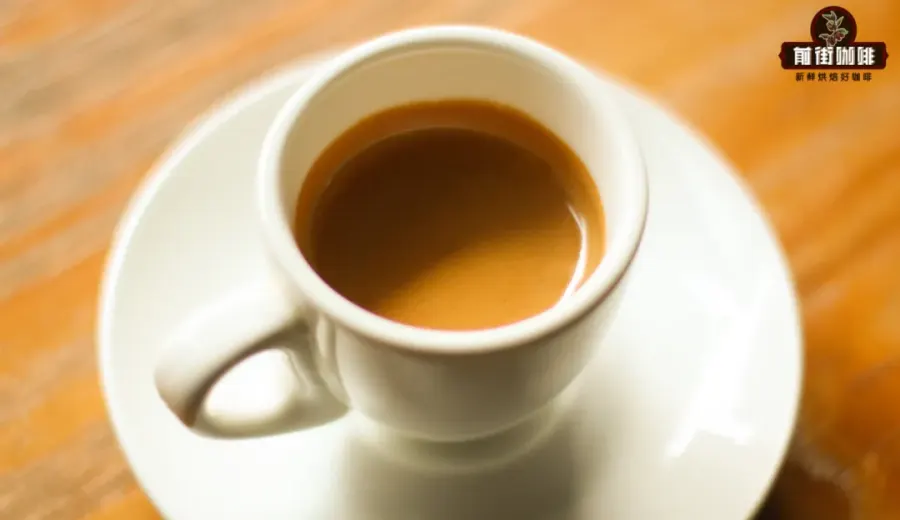
Introduction:The golden foam on the surface of espresso is often mistaken for coffee oils, and even serves as a basis for many to judge the quality of coffee. However, this substance, known as Crema, is not actual oil but rather a visual effect formed by tiny bubbles. This article will delve into the true composition of Crema, its formation principles, and why it is commonly misunderstood as oil, helping you better understand this “golden coat” of espresso.
Many people, upon their first taste of espresso, are captivated by the fine, dense, golden layer of foam on the surface, instinctively believing it to be coffee oil, and even using it as a key indicator of the espresso’s quality. Yet, this widely recognized “oil” is not the fatty substance we typically think of, but rather a unique structure composed of tiny bubbles, called Crema. Today, we’ll completely debunk this common coffee myth, taking you through the true nature of Crema and why it has long been mistaken for oil.
When many see the word “Crema,” they immediately think of the smooth, rich texture of cream, even assuming that this golden foam is oil extracted from coffee beans. But in reality, this oil-like substance is not made purely of fat. The reason it’s called “Crema” actually comes from the Spanish word for “cream,” because visually and texturally, it bears some resemblance to cream—fine, dense, and glossy. However, these are merely its external characteristics, not its essence.
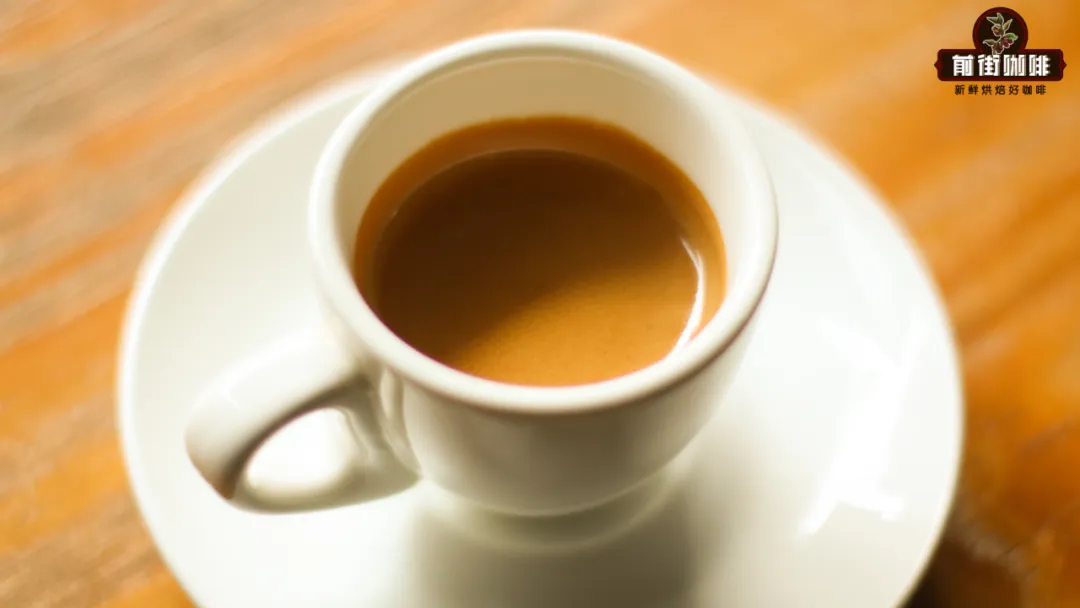
To understand what Crema really is, we need to start with the espresso extraction process. With the invention of modern high-pressure espresso machines, the way coffee is brewed has undergone a revolutionary change. Under high pressure (typically around 9 Bar), hot water forcefully passes through finely ground coffee, not only quickly extracting soluble flavor compounds from the coffee but also dissolving a large amount of carbon dioxide from the coffee grounds under pressure. When this high-pressure coffee liquid is finally released into normal atmospheric pressure, the previously dissolved carbon dioxide rapidly escapes and mixes with the coffee oils and other components, forming countless tiny, stable bubbles. These bubbles gather together to form the golden, fine, and dense foam we see—that is, Crema.
The formation of this Crema hinges on pressure and the release of gases. It’s worth noting that although it looks like oil and shares a similar texture and visual effect to cream, its main components are actually bubbles, water, along with a small portion of coffee oils and solid particles. These bubbles are very small, effectively trapping light and giving the overall appearance a rich golden hue, thereby creating a full-bodied, bold visual impression. This is also why many people intuitively perceive it as the “oil layer” of coffee.
So why is Crema mistaken for oil? One reason is its appearance and texture. Crema is not only golden and glossy, but its fluidity and appearance when settled or gently shaken are very similar to those of cream. In the early days, before the advent of high-pressure extraction technology, people did not see such a distinct foam layer in coffee. Therefore, when high-pressure espresso machines became widespread, this new “skin” attracted widespread attention and was named “Crema” (cream). This is an illustrative naming, emphasizing its appearance and texture rather than its chemical composition.

In addition, many people learning about coffee or tasting espresso often hear claims like “the thicker the Crema, the better” or “the darker the color of the Crema, the higher the quality.” While these views partially reflect the role of Crema in espresso, they can also easily lead people to assume that Crema itself is direct evidence of high coffee oil content. In fact, the thickness and stability of Crema can indeed reflect whether certain extraction parameters—such as grind size, tamping pressure, extraction time, and pressure—are appropriate, but it is not an absolute indicator of oil content.
After understanding the truth about Crema, let’s re-examine its role in espresso. Although Crema is not oil, it remains an important reference factor for the extraction quality of espresso. A uniform, fine, and long-lasting Crema usually indicates that the pressure, temperature, and grind settings during extraction are relatively ideal, helping to extract richer flavors and aromas. Therefore, while it is not oil, it remains an important visual clue in evaluating whether an espresso has been properly extracted.
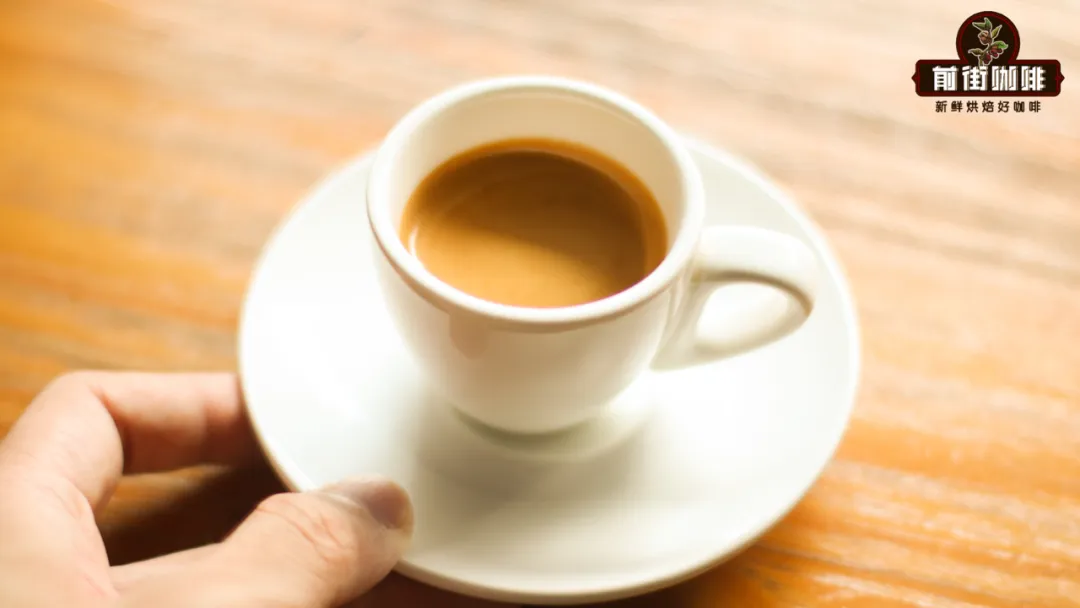
In summary, the golden foam on the surface of espresso—Crema—is not the oil we commonly understand, but rather a collection of tiny bubbles formed by the release of carbon dioxide and other components during the high-pressure extraction process. It is called “Crema” because its appearance and texture resemble cream, but it actually does not contain a significant amount of oil. This common misconception stems from people’s first impression of its visual effect, but by understanding its formation principles, one can more accurately evaluate the extraction quality of espresso without being misled by its appearance.
The above content is compiled by CoffeeHunters, a coffee news website.


