







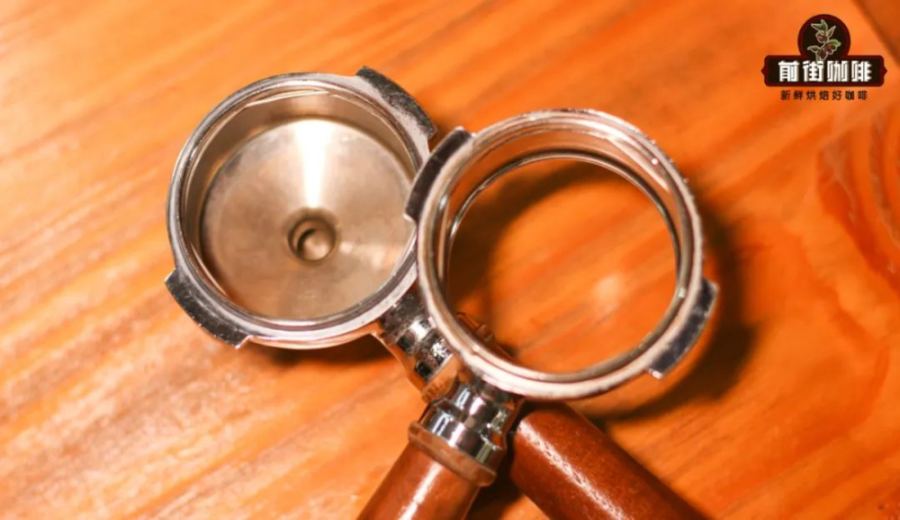
Introduction:In professional coffee preparation, the choice of portafilter has a direct impact on the extraction quality of espresso. Both bottomless and spouted portafilters have their pros and cons. From observing the extraction process and controlling flow time, to crema retention and ease of cleaning, all are key factors that determine the final flavor. This article will provide a detailed comparison of the two, helping you make a more suitable choice based on your actual needs.
In the world of specialty coffee, espresso extraction is not just a display of technique, but also a key to flavor presentation. Among the many factors that influence extraction quality, the choice of portafilter is often overlooked, yet it plays a pivotal role. Which of the two common extraction tools—the bottomless portafilter or the spouted portafilter—is more suitable for your needs? Let’s conduct a comprehensive analysis of their differences, from extraction visibility and flow time disparity, to crema retention and maintenance, covering it all.
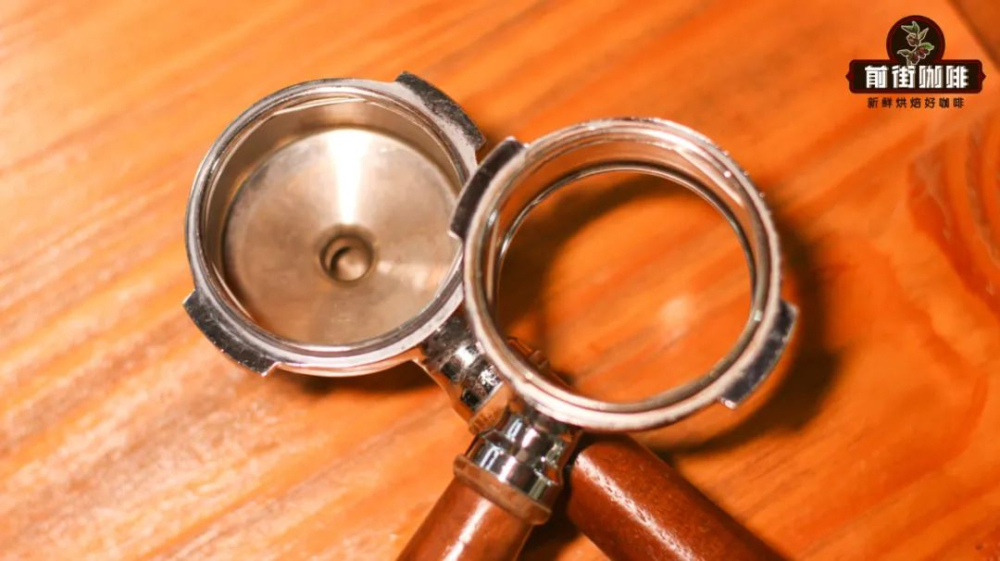
First, why are more and more baristas leaning toward using bottomless portafilters? The answer may be more intuitive than you think—it allows you to “see” the extraction process. Traditionally, baristas use double-spouted portafilters with a base spout, which are usually designed with two outlets to divert the coffee flow and speed up extraction. However, this design also brings some non-negligible issues, such as less controllable flow time and potential channeling effects, which can affect flavor stability.
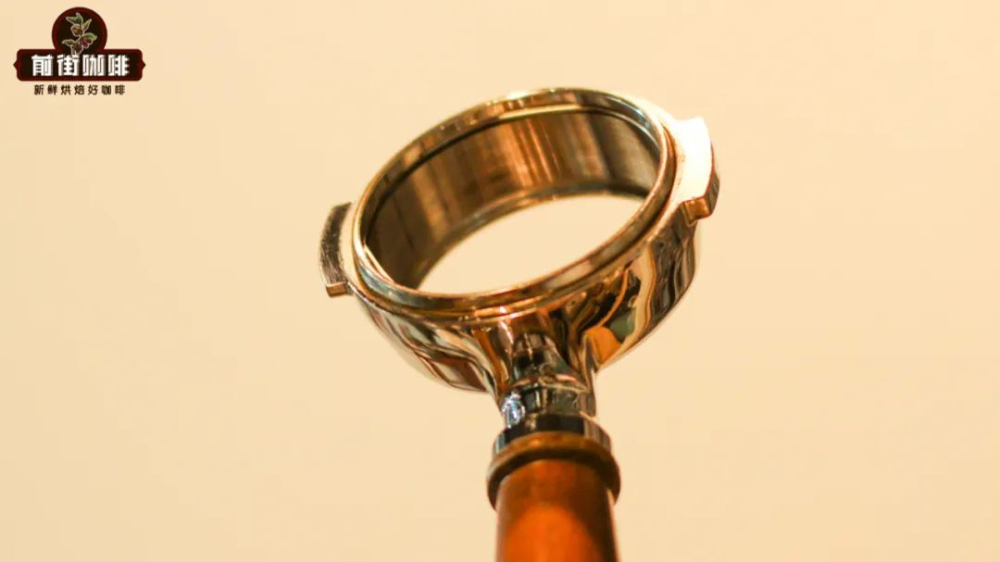
The birth of the bottomless portafilter was precisely to address these issues. As early as 2004, it was developed by Chris Davison, co-founder of the Barista Guild of America, and his team. This type of portafilter, which removes the closed base design, allows baristas to directly observe the extraction status of the coffee puck. Through a transparent knock box or direct visual observation, uneven phenomena during extraction—such as over-extraction or under-extraction caused by channeling—can be spotted in real time, enabling immediate adjustments to pressure or tamping methods.

One of the clear advantages is the “absence of flow time disparity.” When using a traditional spouted portafilter, due to the base spout structure, although the coffee has already been pushed out from the basket, it still needs to travel a certain distance before reaching the outlet. This results in an approximate 1 to 2-second discrepancy between the actual extraction time and the visually observed flow time. For professional baristas who emphasize precise timing, such an error can affect the overall extraction curve. The bottomless portafilter doesn’t have this issue—the coffee is visible as soon as it exits the basket, helping to more accurately control extraction time, especially when making fine adjustments.
Another notable advantage is “retaining more crema.” Since the bottomless portafilter lacks a long diversion channel, the extracted coffee oils are better preserved and do not oxidize or dissipate due to prolonged contact with metal or air. This is particularly important when making milk-based coffees like lattes and cappuccinos. Rich crema not only enhances the flavor layers of the drink but also makes latte art more lasting and vivid. If you frequently prepare Dirty coffees, the crema performance from a bottomless portafilter will make the contrast between hot fresh milk and espresso even more distinct.
Now let’s talk about the convenience of cleaning and maintenance. Due to its simple structure, the bottomless portafilter has almost no hard-to-clean crevices. Cleaning only requires rinsing the inside of the portafilter—even without removing the basket, residual coffee grounds can be easily cleared. In contrast, the spouted portafilter, with its diverter and dual-outlet structure, requires not only cleaning the basket itself but also additional disassembly and cleaning of the diversion parts. Some complex designs even require small brushes to clean internal channels, which is not only time-consuming but can also affect the flavor of the next extraction if not cleaned thoroughly.
Of course, the spouted portafilter is not without its advantages. Its design was originally intended to improve serving efficiency, especially in busy café environments, where it can simultaneously pour two espressos, saving waiting time. Additionally, for beginner baristas, the flow stability of the spouted portafilter is relatively easier to manage, requiring less frequent adjustment and observation of the extraction state, thus lowering the initial operational threshold.
Overall, the bottomless portafilter, with its advantages in extraction visibility, precise timing, crema retention, and easy cleaning, has become the choice of many professional cafés and competition baristas. Meanwhile, the spouted portafilter still holds value in terms of efficiency and ease of use, making it suitable for high-volume shops or those new to coffee work. Regardless of which one you choose, understanding their characteristics and limitations will help you make the most suitable decision based on your extraction needs and working environment.

The above content is compiled by CoffeeHunters, a coffee news website.


