







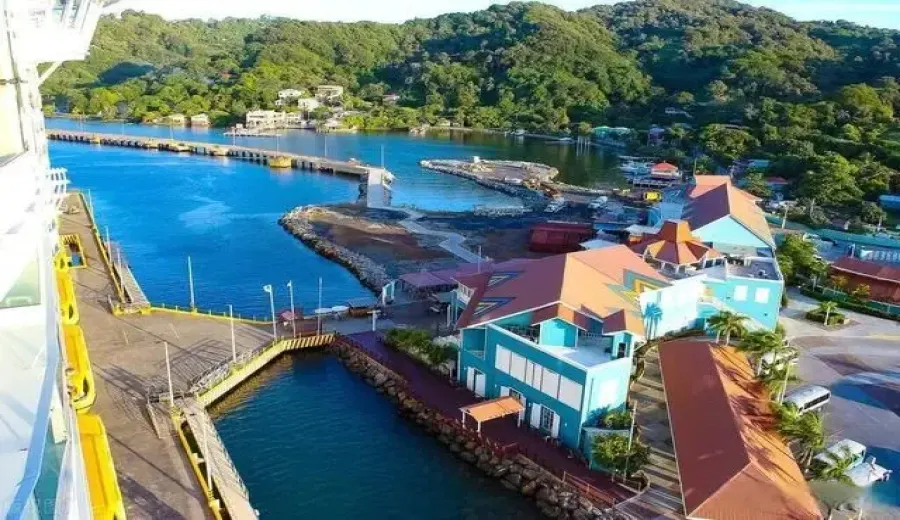
Introduction:Delve into the unique microclimates of Honduras' Montecillos region, and explore how Los Pinos Estate in Intibucá Province secured third place in the COE international competition with its washed Geisha. From this high-altitude farm at 1700 meters to the bright citrus notes in the cup profile, this article provides key insights into Central America’s premium coffee regions and evaluation essentials.
As the second-largest coffee exporter in Central America, Honduras benefits from diverse altitude zones and volcanic soils, producing beans with distinct regional characteristics. This mountainous country, nestled between the Caribbean Sea and the Pacific Ocean, has seen its coffee industry evolve over a century and is now a vital supplier to the global specialty coffee market.
Dating back to the late 18th century, Spanish traders first introduced coffee seedlings to Honduras, but limited transportation and economic conditions kept coffee farming confined to scattered plots for a long time. It wasn’t until the 1950s, with the gradual improvement of road networks and the decline of the banana industry, that coffee became a major cash crop. Today, Honduras’ over 110,000 hectares of coffee farms supply more than 8 million bags of high-quality green beans to the international market annually.
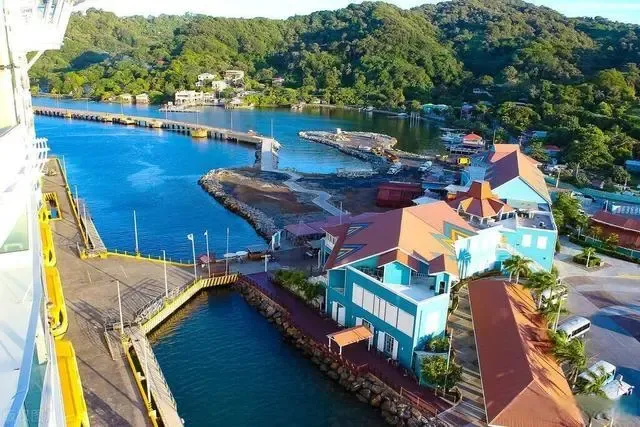
Over 70% of Honduras is mountainous terrain above 1,000 meters in elevation, creating significant microclimate variations. The northern Caribbean coastal area features a tropical rainforest climate, with an average annual temperature around 23°C and annual rainfall between 1500–2500 mm—ideal conditions for coffee trees. The central highland zone, with day-night temperature differences of 8–10°C, helps coffee cherries accumulate richer flavor compounds.
Established in 1970, the Honduran Coffee Institute (IHCAFE) has driven industry upgrades through systematic regional classification. The country’s six core coffee regions—including Copán, Opalaca, Montecillos, Concepción, Agalta, and El Paraíso—are all located in the “golden zone” above 1100 meters altitude. These areas feature volcanic soils rich in potassium and phosphorus, which enhance the sweetness and body of the coffee.
Located in southwestern Honduras, the Montecillos region spans four provinces. Its unique geography combines cool highland climates with abundant sunshine. Coffee from this area typically exhibits bright lemon acidity, paired with sweet layers of tropical fruits like peaches and oranges. The cup offers a silky-smooth mouthfeel, often with a lingering finish of white floral notes.Key data shows that the ideal harvest period for coffee in this region is from December to April each year, when bean density and sugar-to-acidity ratios peak.
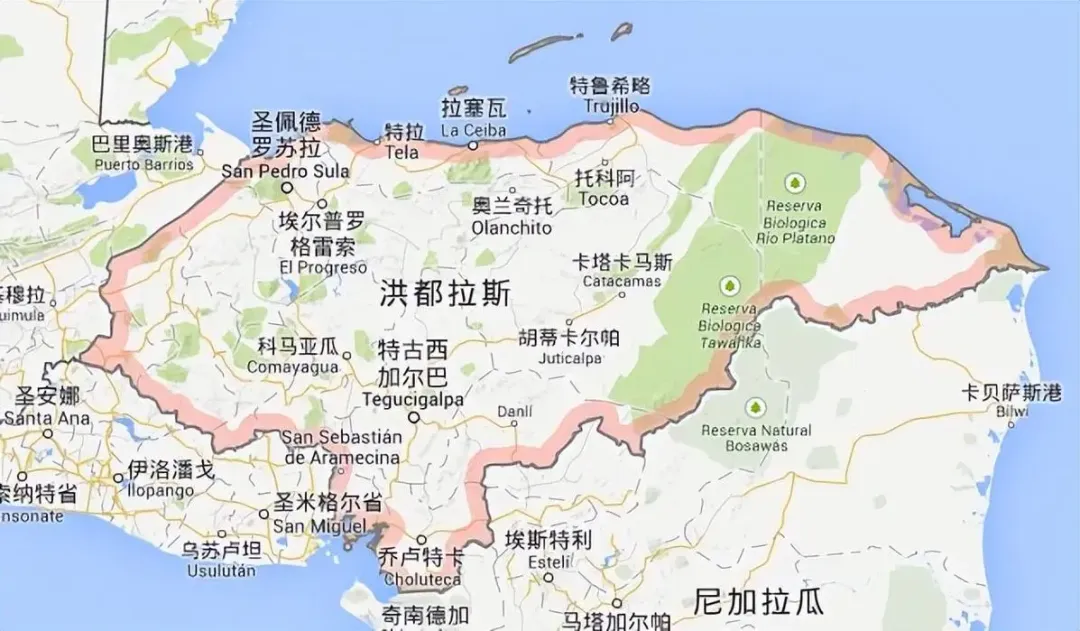
Deep within the Montecillos region, Intibucá Province—home to the nearly 3000-meter-high branches of the Cordillera mountain range—hosts the country’s highest-altitude coffee-growing areas. Known for traditional craftsmanship and highland agriculture, this region has recently achieved remarkable success in international competitions, most notably the outstanding performance of Los Pinos Estate.
In the 2023 Honduras Cup of Excellence (COE) competition, Los Pinos Estate, managed by Joaquina Montoya Alvarado, took third place with its washed Geisha variety, scoring an impressive 90.71 points. This family farm, located on a mountainside at 1770 meters near the town of La Esperanza, had long maintained excellent farming practices but had never participated in international competitions. Encouraged by coffee consultant Ronny Gamez, Joaquina submitted samples for the first time and achieved this remarkable result.
Now 62 years old, Joaquina continues her family’s three-generation farming legacy, managing over 5 hectares of coffee fields with her husband. They employ a shaded cultivation system to protect the coffee trees and strictly control harvest ripeness to ensure each cherry is picked at optimal maturity. During the washed processing, the estate pays special attention to precise fermentation timing—typically maintaining 18–24 hours of anaerobic fermentation, followed by double washing to remove mucilage, and finally drying the beans for 21 days on African beds.
This award-winning Geisha demonstrates exceptional aromatic complexity in the cup: initially offering fresh notes of blueberry and jasmine, it releases sweet scents of lemon peel and honey upon brewing. The cup presents a perfect balance between pronounced citrus acidity and a tea-like, full-bodied mouthfeel. For coffee enthusiasts interested in unique processing methods, using a V60 filter with water at 92°C and a 1:15 coffee-to-water ratio for pour over will fully highlight its layered flavor profile.
The above content is compiled by CoffeeHunters, a coffee news website.


