







Introduction:Many coffee enthusiasts insist on using freshly ground coffee, believing that only in this way can they truly appreciate the most authentic flavors of coffee. So, what are the key differences between freshly ground and pre-ground coffee? How does freshness affect the extraction process? This article will delve into the fundamental distinctions between the two and explain the production principles and optimal brewing methods of drip bags, helping you make smarter choices in your daily coffee drinking.
Both are coffee grounds, so why do many people emphasize the importance of grinding fresh? In reality, there are many easily overlooked details that differentiate freshly ground from pre-ground coffee. This article will break down these common questions one by one, from freshness and flavor performance to practical operation, and further explain the logic behind drip bag production and brewing tips, so that you can better understand the science and techniques behind your coffee enjoyment.
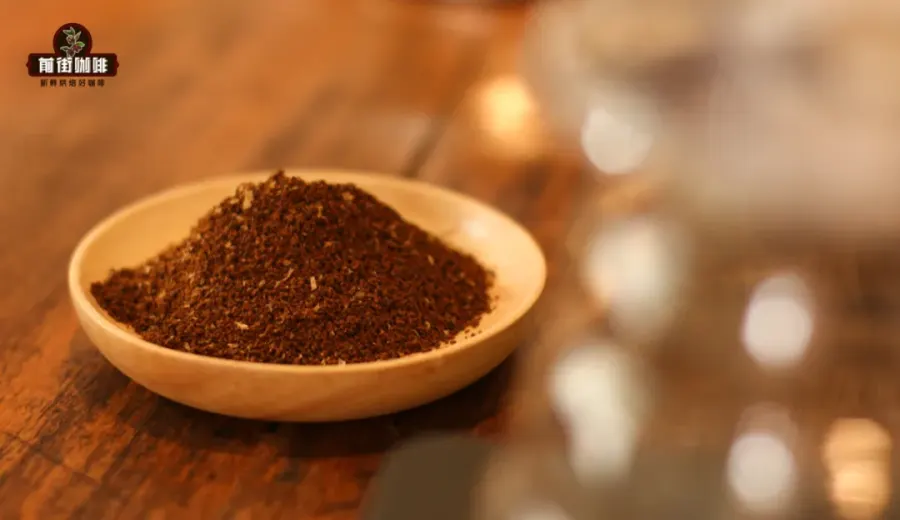
What is freshly ground coffee? Simply put, it refers to coffee beans that are ground into powder at the moment just before brewing. This method not only preserves the original aroma of the coffee beans to the greatest extent but also ensures that each cup of coffee achieves its optimal flavor.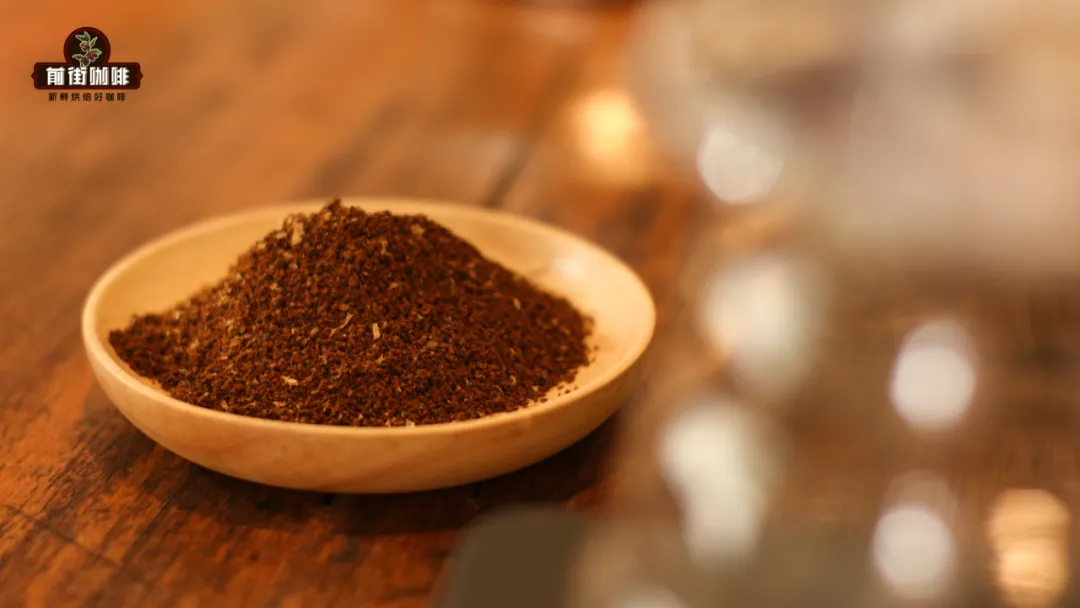
As is well known, freshness is one of the key factors influencing the flavor performance of coffee. Once coffee beans are ground into powder, their internal volatile aromatic compounds begin to dissipate rapidly, especially when not stored in a sealed container, where the decline in flavor becomes even more noticeable. Therefore, as long as the coffee beans remain whole and sealed, the loss of aroma can be effectively delayed — which is why freshly ground coffee often delivers a richer and more layered taste experience.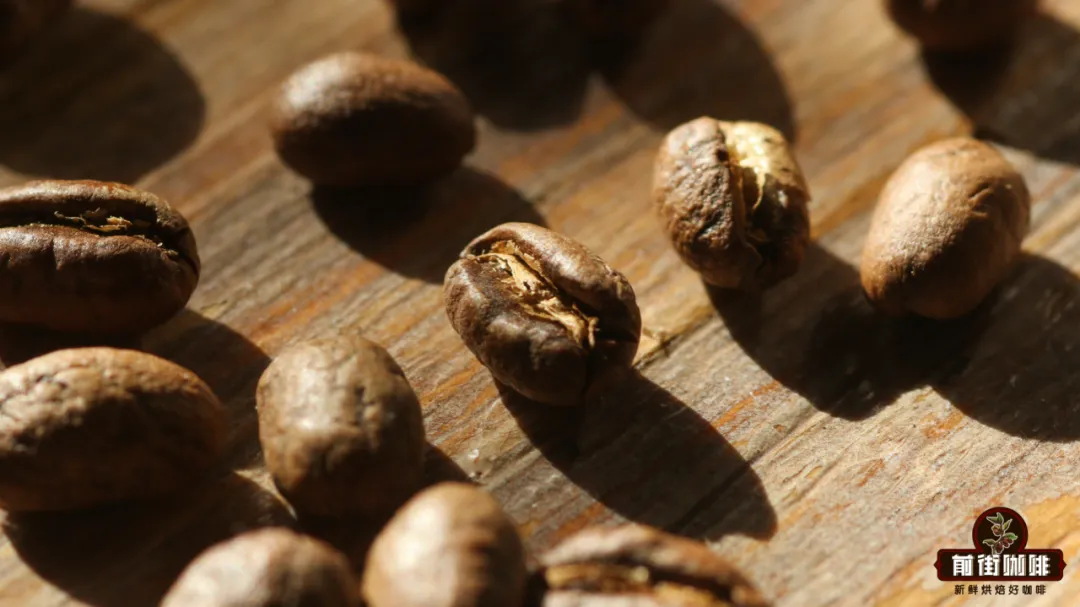
In contrast, although pre-ground coffee is convenient, because it has already been ground into powder, its surface area exposed to air increases significantly, leading to rapid evaporation of aroma and flavor compounds. Even if stored in a sealed container, the flavor will gradually diminish over time. Therefore, if you’re aiming for the most authentic expression of coffee flavor, freshly ground is the more ideal choice.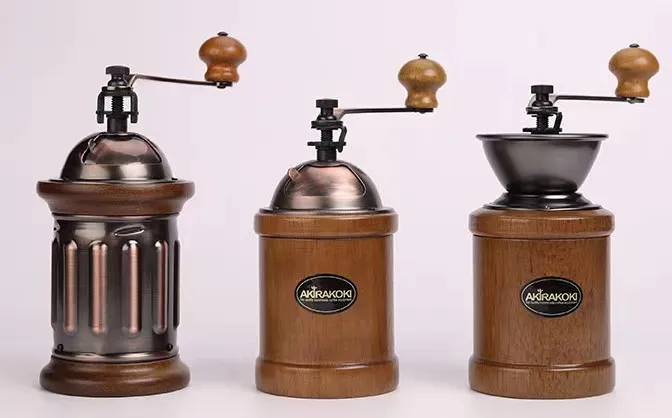
As for drip bags, they offer a convenient option that sits between freshly ground coffee and instant coffee. The principle behind them is to pack pre-ground coffee into filter bags equipped with two ear-like suspension loops, allowing users to hang the bag over a cup and pour hot water directly through it, much like a pour over. This method retains the flexibility of pour over brewing while greatly simplifying the steps involved.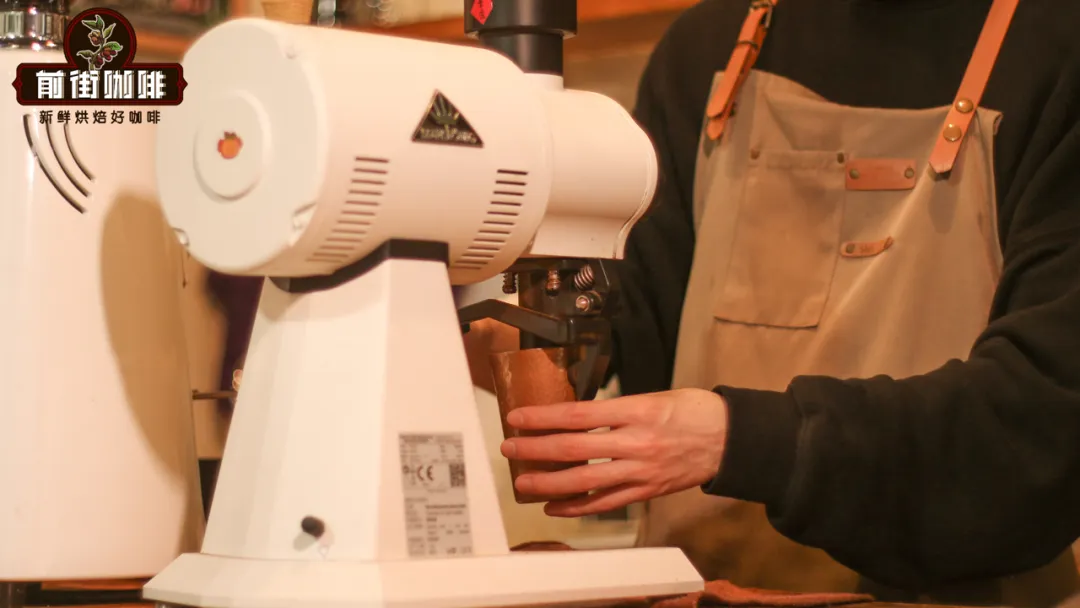
To brew a delicious cup of drip bag coffee, there are several key techniques worth paying attention to. First is water temperature — it’s recommended to use water between 90°C and 93°C, as this range effectively extracts the balanced acidity and sweetness along with the coffee's aroma. Second is the pouring speed and method — it’s advisable to use a pulse pouring technique: start by circling the water to wet the coffee grounds, let it bloom for about 30 seconds to initiate the extraction, then continue pouring slowly until the desired amount is reached. This approach leads to a more even flavor development.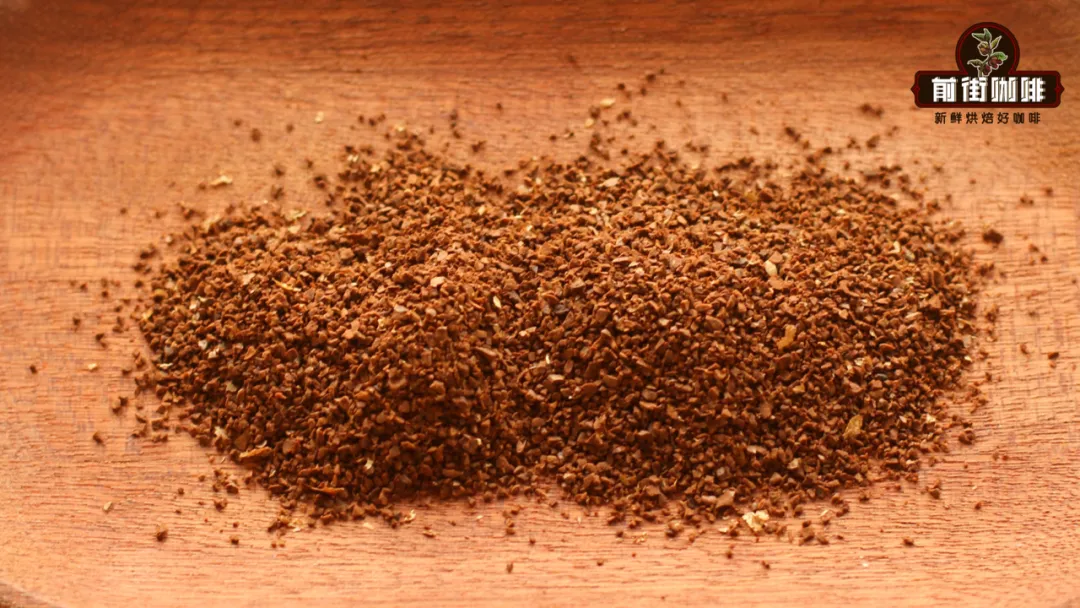
Additionally, the grind size of the coffee also affects the final taste. Drip bags typically use a medium-fine grind, similar in texture to superfine sugar. This grind size, within the constraints of the filter bag, achieves an ideal extraction efficiency. If the grind is too coarse, it may result in under-extraction and a weak flavor; conversely, if it’s too fine, it may lead to over-extraction and produce a bitter or astringent taste.
In summary, freshly ground coffee offers the richest flavors due to its high freshness, but it requires the extra step of grinding; pre-ground coffee is convenient but has a shorter flavor retention period; and drip bags serve as a balanced compromise, combining convenience with relatively satisfying flavor performance. No matter which method you choose, understanding the differences and techniques will allow you to enjoy every cup of coffee to the fullest.
The above content is compiled by CoffeeHunters, a coffee news website.


