







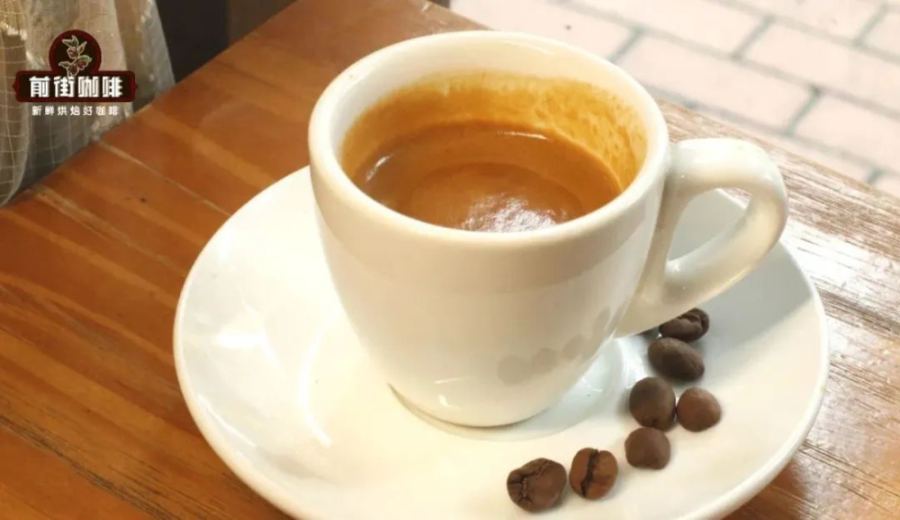
Introduction:Have you ever wondered why modern cafés hardly use single-shot baskets anymore? From the early days of using 9–11g of coffee to extract a 30ml single shot of espresso, to today’s standard of 18–20g in double-shot baskets—what kind of extraction logic has driven this shift? This article breaks down the structural differences between single and double baskets through practical test data, analyzing key factors such as water distribution, channeling effects, and extraction uniformity. We’ll take you deep into the science of espresso and answer why double-shot extraction has become the industry standard.
When ordering at a café, you often hear the term “one shot,” but did you know the definition of that “shot” has quietly changed? Originally, one shot referred to using 9–11g of coffee grounds to produce about 30ml of single-shot espresso via an espresso machine, with both high concentration and intensity. However, as coffee flavor extraction techniques have evolved, what most cafés now call “one shot” actually refers to a double shot extracted using 18–20g of coffee—the familiar "doppio."
Interestingly, some cafés, to avoid customers being unaccustomed to the higher concentration, still extract a full double shot (about 40ml) first, then split it evenly into two cups to serve, with any leftover portion possibly discarded or used by staff. This practice was quite common in the era before specialty coffee became widespread. If you have an espresso machine at home, you might have also noticed it typically comes with two types of baskets: single and double—where the single basket was originally designed to extract 9–11g of coffee.
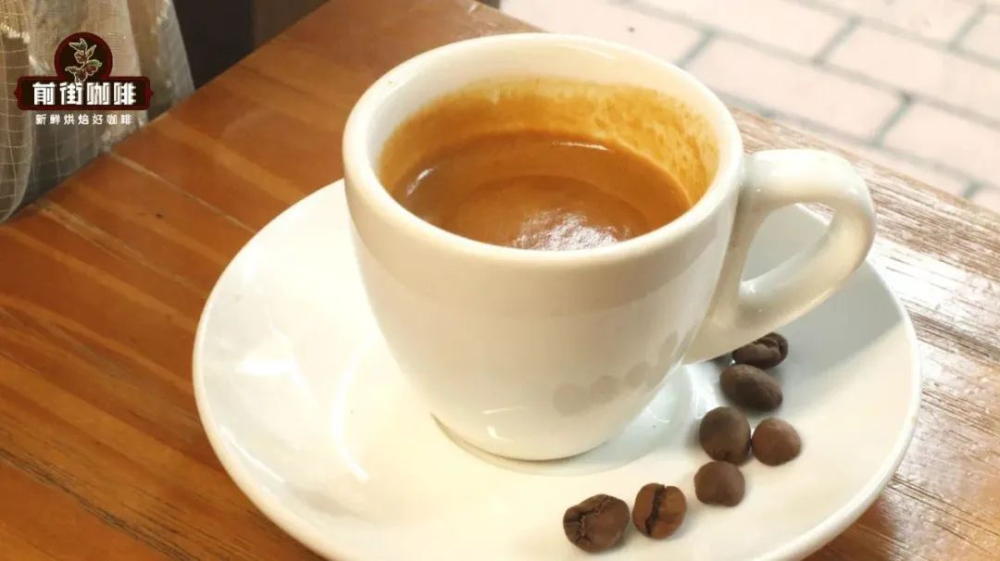
So, why do cafés nowadays prefer using double baskets to extract a larger volume of coffee in one go, rather than using single baskets to make individual shots? Wouldn’t that be more economical in terms of coffee grounds and time? In reality, this shift involves advancements in extraction philosophy and the crucial impact of basket structure on extraction efficiency. Next, we’ll delve into the reasons why single baskets are gradually being phased out of the market, using practical test data and comparisons in basket design.
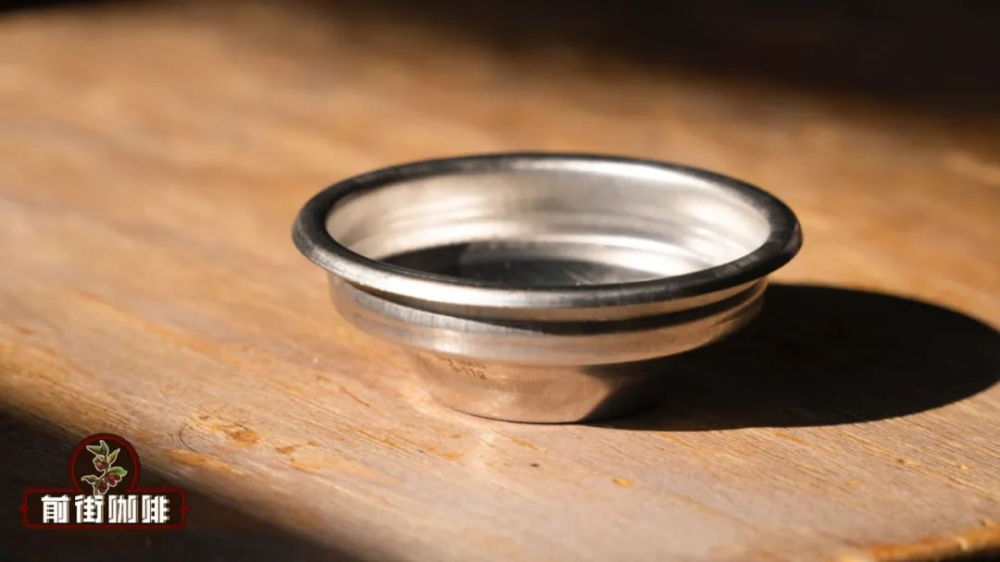
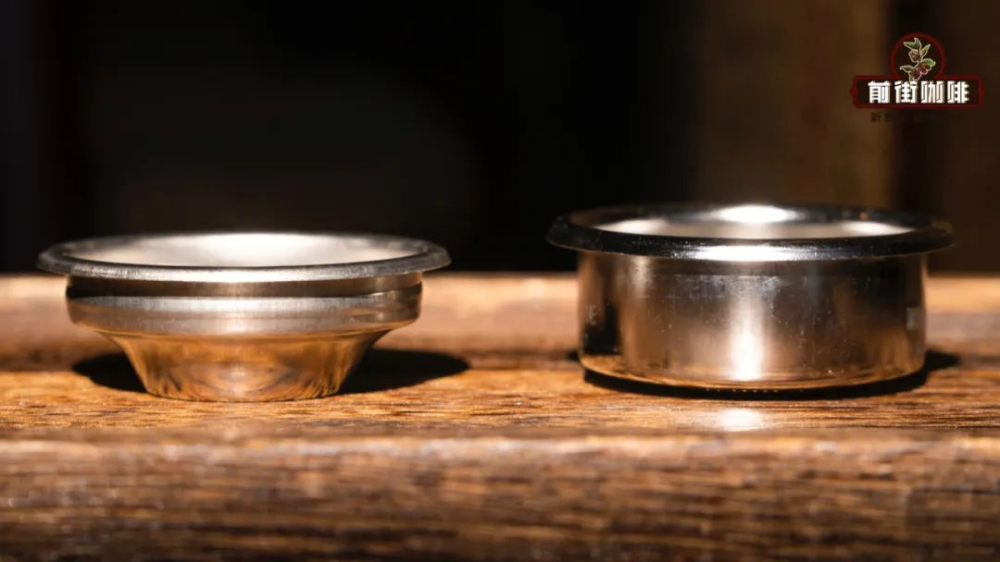
First, visually speaking, single and double baskets are noticeably different.Common double baskets usually have a neat cylindrical structure.After extraction, the resulting coffee puck is also a complete, round block, making it easy to clean and observe. In contrast,single baskets often feature a double-layer inverted cone design.The upper part of the basket looks similar to a regular basket, but the lower section narrows significantly. This design is intended to maintain an appropriate coffee bed thickness and extraction space even with reduced coffee grounds.
However, using a single basket isn't as simple as just halving 20g of coffee to 10g to achieve ideal extraction. Practical extraction tests show that when using a double basket with 20g of coffee to extract 40ml of espresso, the whole process takes about 30 seconds, yielding a concentration of 11.28% and an extraction yield of 21.89%, demonstrating a fairly balanced extraction performance.
On the other hand, using a single basket with 10g of coffee may seem to produce a faster flow rate when extracting 20ml of espresso, butmultiple splattering phenomena occur during the extraction—clear signs of channeling.This test only took 18 seconds, with a measured concentration of 8.55% and an extraction yield of just 18.12%, showing a significant gap compared to the double basket’s results.
If one hopes to bring the single basket’s extraction performance closer to that of the double basket, practical testing foundthat the coffee dose must be increased to 13g, and the grind size adjusted to prolong the extraction time.But this greatly increases operational costs and time investment for baristas. Even so, the single basket still struggles to match the double basket in terms of extraction uniformity and flavor expression.
Looking deeper into the structural differences of the baskets, we can seethat double baskets adopt a straight, cylindrical design.Whether during tamping or under the pressure of the machine during extraction, each area of the coffee bed receives even force, allowing hot water to pass steadily and uniformly through the entire coffee layer, effectively reducing channeling.
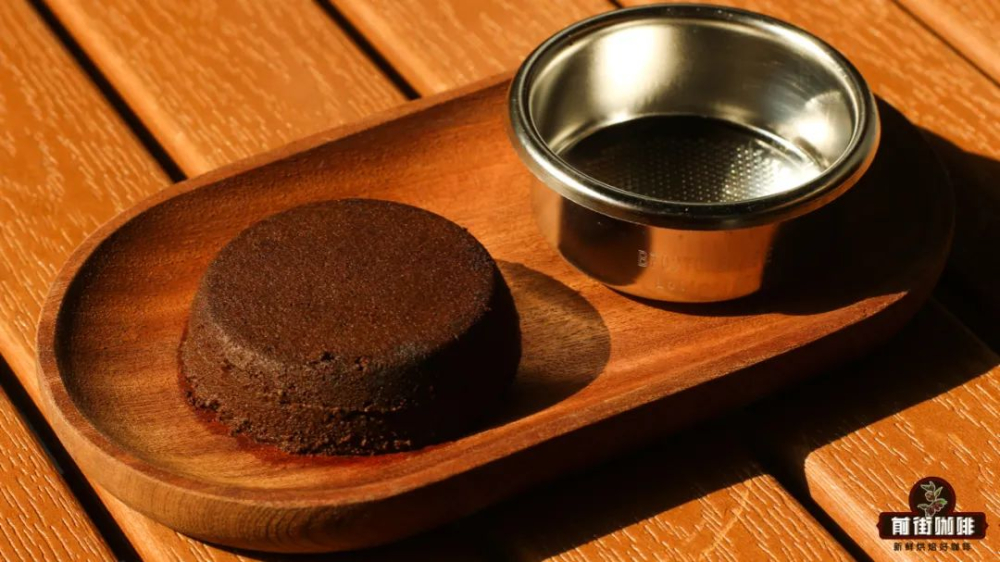
In contrast,single baskets are constrained by their unique wide-top, narrow-bottom structure.To accommodate the group head size and maintain proper coffee bed thickness, adjustments had to be made to the bottom design. This structure causes the surrounding areas of the coffee bed to bear significantly higher pressure than the center during tamping and extraction, leading hot water to prioritize penetrating the path of least resistance at the center. This worsens uneven extraction and intensifies channeling. The non-uniform extraction state becomes even more obvious when observing the spent puck.
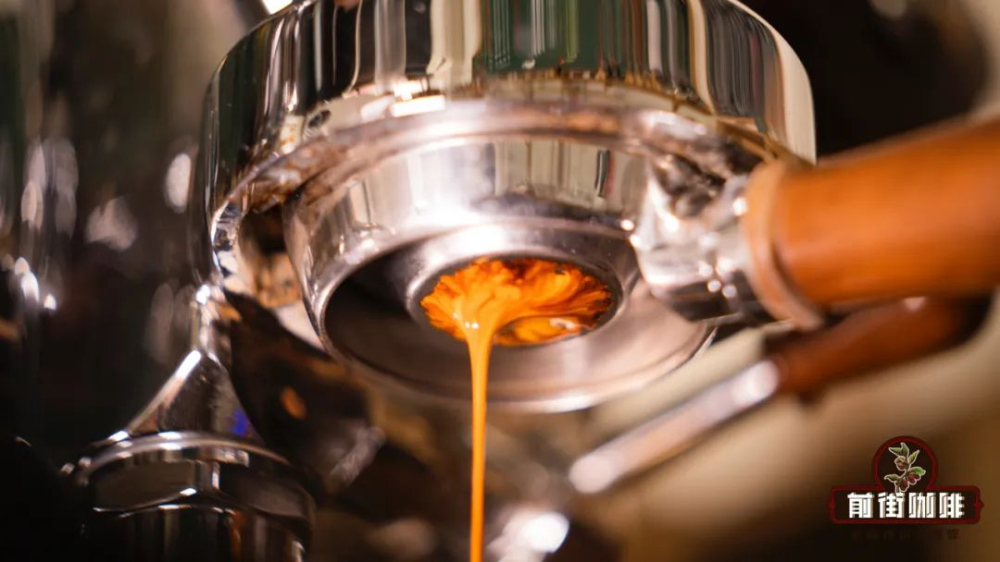
Combining practical test data and structural analysis, we can understand why, with the progress of extraction philosophy, single baskets have gradually been phased out of the market. Their structural limitations make it difficult to achieve the same extraction efficiency, flavor consistency, and stability as double baskets under modern high-standard extraction requirements—this is the main reason why the vast majority of professional cafés today choose to use double baskets for extraction.
The above content is compiled by CoffeeHunters, a coffee news website.


