







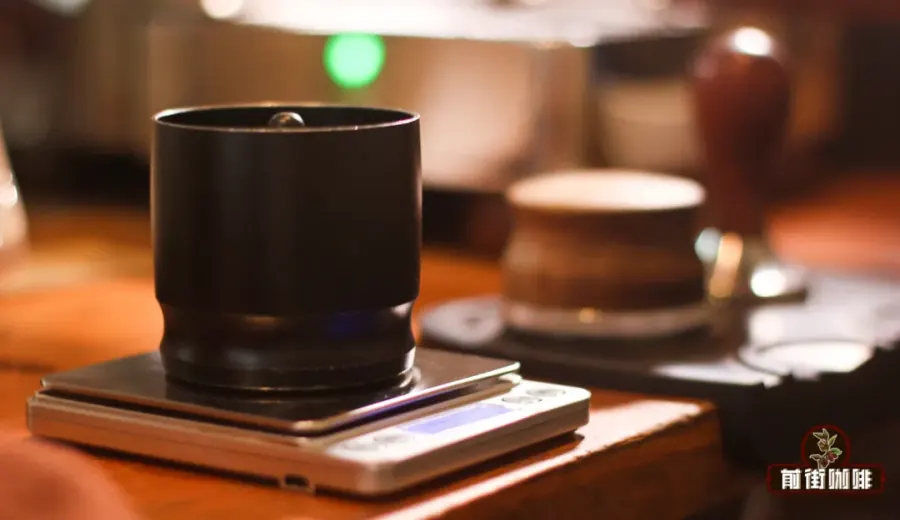
Introduction:Many coffee enthusiasts have doubts about whether precise measurement of coffee grounds is necessary when making espresso. Some believe that minor discrepancies are harmless, while others insist that precision is key to great flavor. Through rigorous experiments comparing different combinations of coffee dose and yield, and by actually tasting and analyzing how a 0.5-gram difference in dose affects espresso flavor, this article will help you understand the practical value and detailed application of using a digital scale in everyday coffee brewing.
Opinions among coffee lovers on whether a digital scale is needed for making espresso remain divided. Some baristas argue that precise weighing is the foundation for ensuring consistent extraction and balanced flavor; however, many feel that variations of just a few tenths of a gram have little impact on the final taste. So what’s the truth? We specially designed a series of real-world extraction tests, focusing on two key variables—dose and yield—to reveal how that seemingly insignificant 0.5-gram difference can create noticeable variations on the palate, and to evaluate the necessity of using a digital scale in daily coffee preparation.
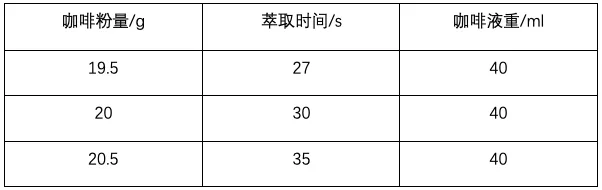
To delve deeper into this topic, the experiment was divided into two main phases. First, with a fixed yield of 40 ml, extractions were carried out using three different doses—19.5 grams, 20 grams, and 20.5 grams—to observe how slight adjustments in dose alter the overall performance of the espresso. Then, using the same dose, we adjusted the yield to further analyze the combined effects of various parameters on flavor. Through this comparative approach, we were able to identify those easily overlooked yet crucial details through actual tasting.
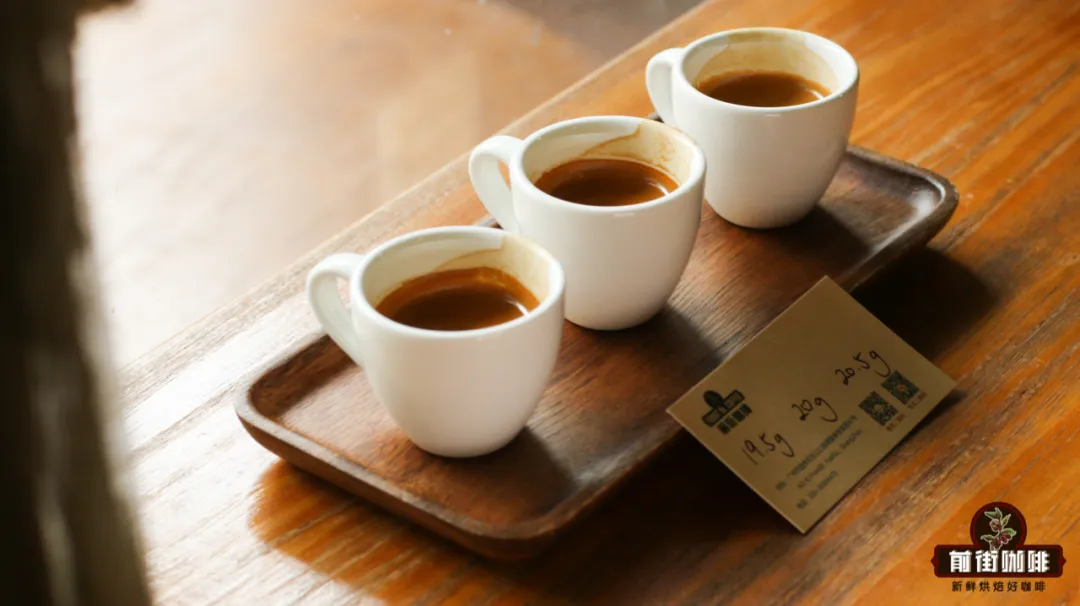
In the first round of experiments, we used the common baseline parameters of a 20-gram dose, 30-second extraction time, and 40-ml yield. On this basis, we reduced and increased the dose by 0.5 grams—that is, we brewed with 19.5 grams and 20.5 grams, respectively—while keeping the yield at 40 ml. After actual tasting, it was found that the espresso brewed with the standard 20-gram dose exhibited excellent balance, with distinct flavor layers, well-coordinated acidity and bitterness, and a rounded, full-bodied mouthfeel. It subtly presented notes of whiskey, buttery cookies, and the characteristic sweet-and-sour aftertaste of berries.
In contrast, when the dose was increased to 20.5 grams, although the yield remained at 40 ml, the overall extraction flavor leaned noticeably toward bitterness. Bitterness became dominant, acidity was suppressed, and while the aroma profile of whiskey and buttery cookies could still be discerned, it was accompanied by a distinct bitter note of dark chocolate, resulting in a heavier and less refreshing mouthfeel. Many baristas pointed out that an excessive dose can easily lead to over-extraction, causing unwanted impurities or overly concentrated substances to enter the final liquid, thereby affecting the overall purity of the flavor.
Conversely, when the dose was reduced to 19.5 grams, although the overall yield remained at 40 ml, the mouthfeel was noticeably thinner, lacking the body and fullness of the standard parameters. The aftertaste was shortened, and overall enjoyment decreased, although the sweet-and-sour characteristics of the berries became relatively more pronounced, especially when the coffee was served at a higher temperature. However, as the temperature dropped, the acidity gradually became sharper, detracting from the overall drinking experience. This shows the risk of under-extraction when the dose is insufficient, which may lead to incomplete flavor and an imbalanced acidity.
During the experiment, we also paid special attention to changes in extraction time and flow rate. Even with a consistent yield, slight differences in dose can affect the flow rate and overall balance of espresso extraction. These changes may not be easily observed with the naked eye, but through actual tasting, clear differences in flavor structure can be perceived. Therefore, for baristas or enthusiasts striving for stability and consistency, using a digital scale not only helps control the dose but also serves as an important reference for managing overall extraction parameters.
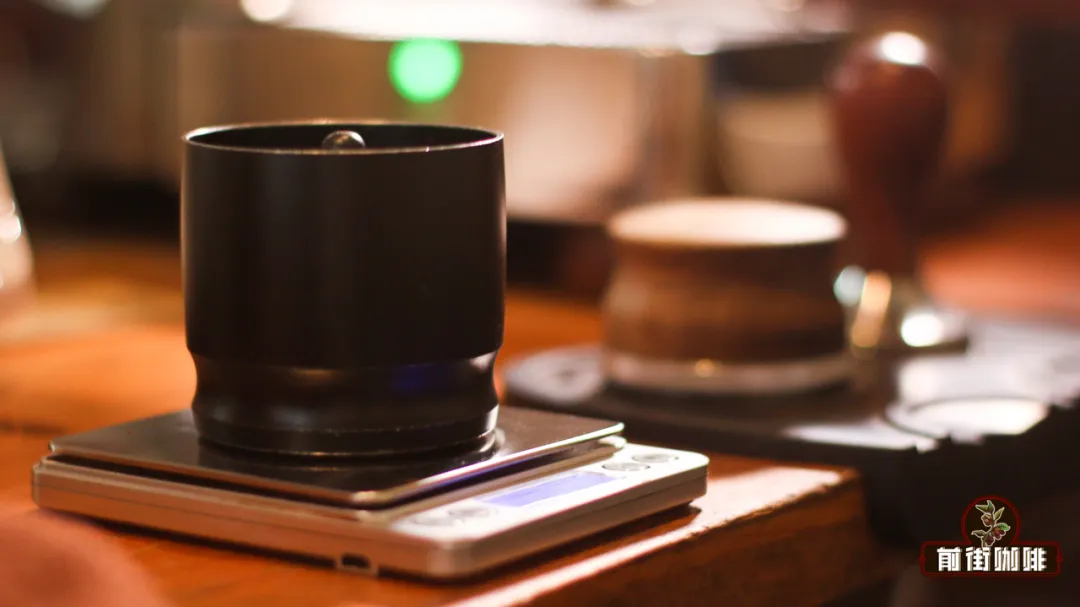
Additionally,the precision of the digital scalewas also a key factor in the experiment. It is generally recommended to use a digital scale with at least 0.1-gram accuracy to ensure that each extraction’s dose and yield can be controlled within the ideal range. Many professional baristas weigh both the coffee grounds and the extracted liquid before and after brewing to calculate the extraction ratio and efficiency, further fine-tuning parameters to achieve optimal flavor performance.
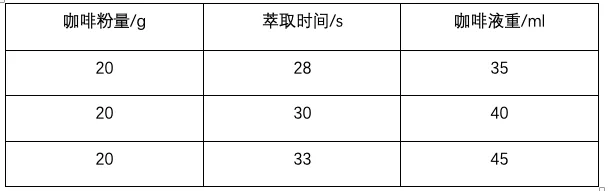
Based on the comprehensive experimental results, it can be clearly concluded: even a mere 0.5-gram difference in dose is enough to significantly impact the final flavor, acid-sweet balance, mouthfeel thickness, and aftertaste duration in espresso extraction. As a tool for managing these critical variables, the practicality and necessity of a digital scale cannot be overlooked. Whether you’re a beginner or an experienced barista, using a digital scale for precise measurement can effectively improve extraction consistency and flavor expression, marking an important step into the world of professional espresso brewing.
The above content is compiled by CoffeeHunters, a coffee news website.


