







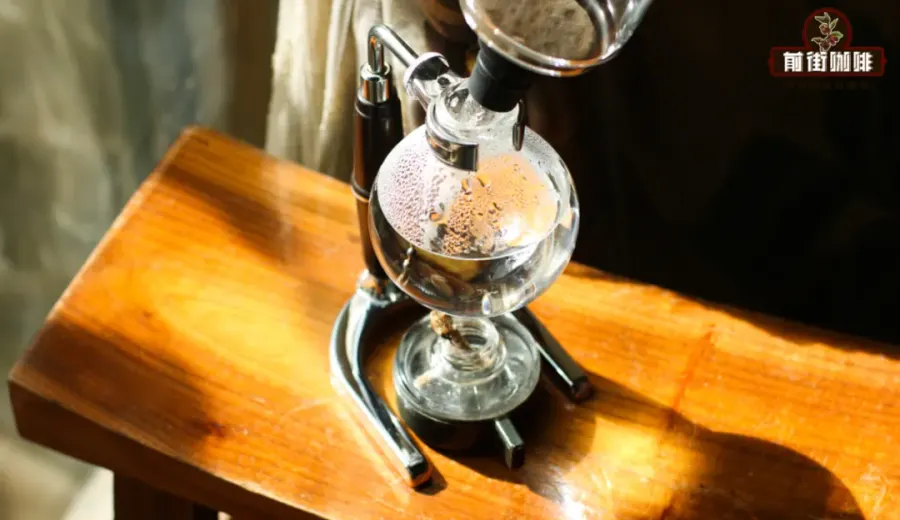
Introduction:Both siphon (vacuum) pots and pour over methods are classic ways to brew single-origin coffee, but they differ greatly in brewing techniques, flavor profiles, and operational details. This article will delve into the fundamental differences between the two methods, exploring how the siphon achieves extraction through immersion and vacuum action, while pour over emphasizes filter layer control and layered flavors. It also addresses common questions such as "Can a siphon use paper filters instead of a cloth filter?" to help coffee enthusiasts choose the right tool based on their taste preferences.
The siphon pot, with its unique brewing process and highly visual appeal, was once all the rage among coffee enthusiasts. With the recent resurgence of retro styles, not only have many cafes reintroduced siphon-brewed coffee to their menus, but it has also given a new generation of consumers the chance to experience this highly ritualistic brewing method. As part of the single-origin coffee category, the siphon is often compared with the currently mainstream manual drip method (commonly referred to as pour over). However, there are notable differences in flavor characteristics and brewing principles between the two, resulting in distinct tastes and aromas in the final cup.
For those who have tried siphon-brewed coffee, it’s not hard to notice a clear difference compared to pour over. Pour over typically delivers a cleaner, clearer mouthfeel with distinct and prominent flavor layers, allowing drinkers to easily discern the fruit acidity, sweetness, and aromatic details of the beans. In contrast, siphon-brewed coffee offers a richer, fuller body, with intense aromas and an overall more robust taste that provides a smooth, enveloping sensation. This difference mainly stems from the distinctly different brewing logics and operational methods of the two.
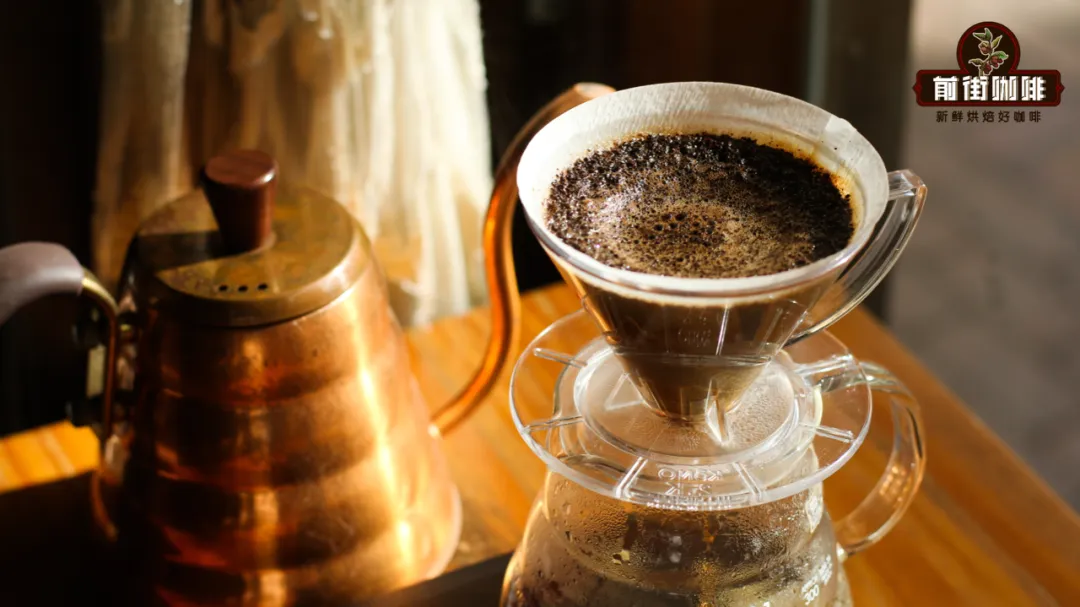
First, pour over primarily employs what is known as the "drip filtration" or "filtration" method. In this process, hot water is slowly poured over the coffee grounds, then filtered through paper to allow the extracted coffee liquid to drip drop by drop into the server below. It's worth noting that although pour over is often simply categorized as drip filtration, it isn’t entirely equivalent to pure drip extraction—in actual practice, there is a brief contact time between the coffee grounds and water, known as the "bloom" and part of the "immersion" phase, meaning water doesn’t instantly pass through the coffee bed but lingers within it for some time, facilitating the release of flavor compounds. Therefore, pour over can be considered a hybrid brewing method that combines drip filtration with partial immersion.
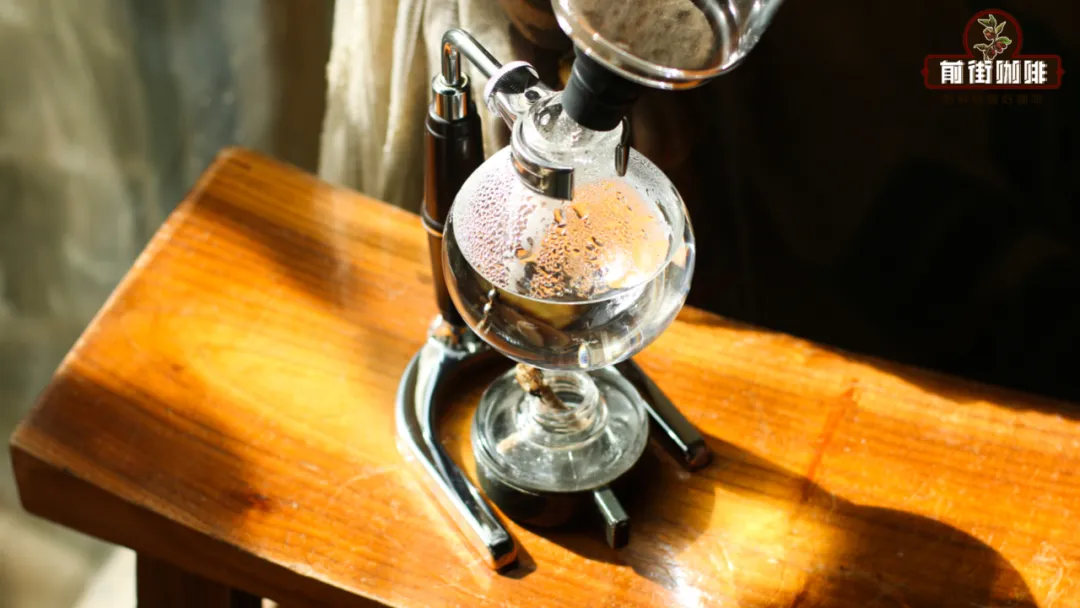
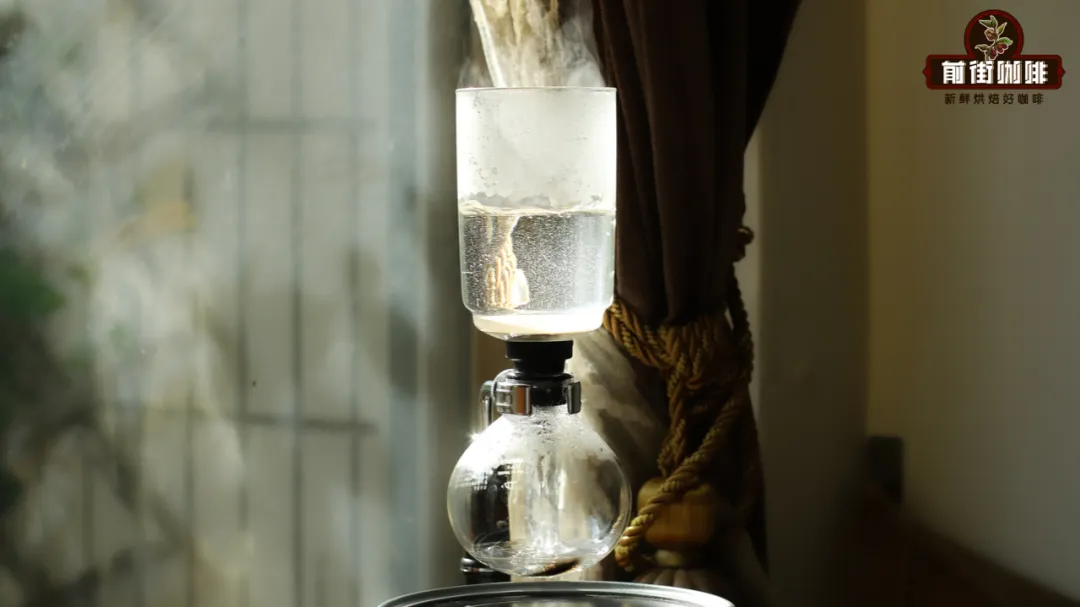
In contrast, the operating mechanism of the siphon pot is often misunderstood as relying solely on the "siphon principle" for extraction. In reality, the siphon only uses the siphon effect in the initial stage to "draw" hot water from the lower chamber up into the upper chamber, creating an environment where coffee grounds and hot water mix. But the actual extraction phase begins when the hot water and coffee grounds are thoroughly "immersed" in the upper chamber. This means the siphon pot’s brewing method is essentially closer to "immersion brewing," allowing sufficient contact time between the coffee grounds and hot water for flavor compounds to fully release, followed by heating or stirring to induce a reverse siphon action that returns the brewed coffee back into the lower chamber.
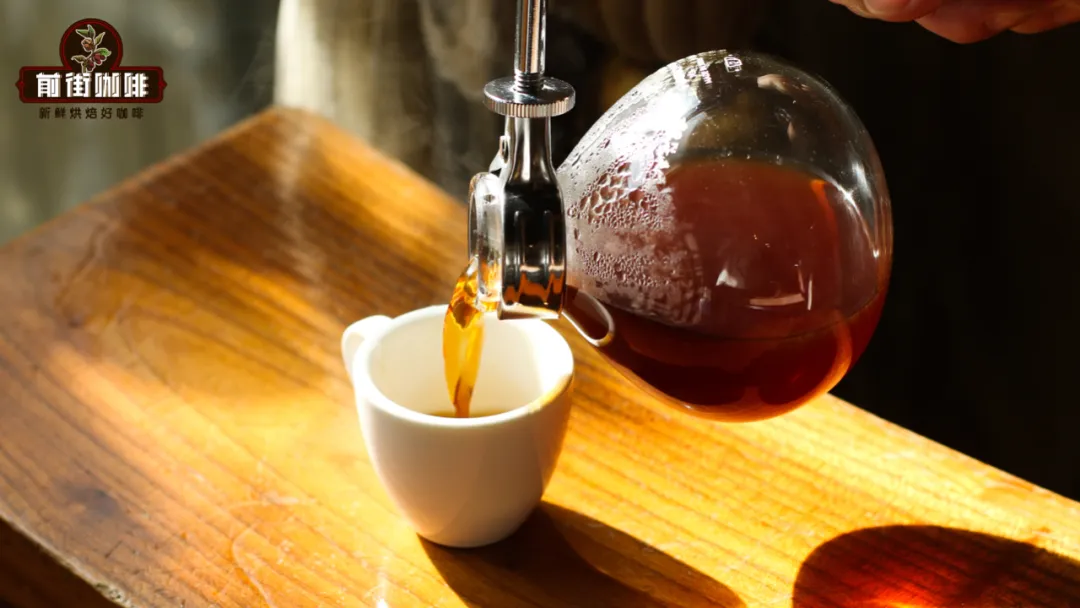
Notably, the entire siphon process consists of two main stages: first, hot water is siphoned into the upper chamber containing the coffee grounds to form an immersion environment; then, through heating or pressure change, the brewed coffee is returned to the lower chamber. Therefore, if one only observes the physical siphon phenomenon and overlooks the central role of immersion, it’s easy to misunderstand the essence of the entire extraction process. This immersion-based operation also explains why siphon-brewed coffee often exhibits a heavier and rounder mouthfeel.
As for a common question, such as "Can a siphon use paper filters instead of the traditional cloth filter?"—the answer is yes, but with some practical considerations. Cloth filters provide a finer filtration effect, allowing some coffee oils and fine particles to pass through, thereby enriching the texture and aroma layers. Paper filters, on the other hand, more effectively intercept most fine particles and oils, resulting in a clearer coffee liquid, but may also sacrifice some roundness in mouthfeel and complexity in aroma. If opting to use paper filters instead of cloth, it’s recommended to use medium-ground coffee beans and moderately extend the brewing time to compensate for the filter material’s blockage effect on fine particles. Additionally, when using paper filters, ensure thorough pre-wetting to avoid affecting the flow rate of the coffee and the overall uniformity of extraction.
In summary, siphon pots and pour over each have their own unique characteristics—the former emphasizes the interplay of immersion and siphon action, delivering a rich and full-bodied taste, while the latter highlights the balance of drip filtration and partial immersion, bringing out the clarity and layering of flavors. Regardless of which method you choose, understanding the underlying brewing principles and operational details can help coffee enthusiasts tailor the perfect coffee experience to their personal taste preferences.
The above content is compiled by CoffeeHunters, a coffee news website.


