







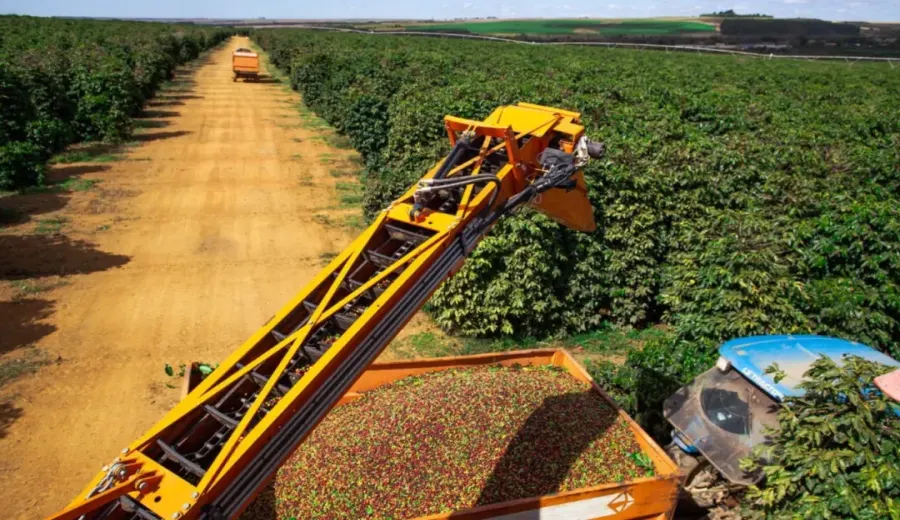
Introduction:Due to the ongoing impact of the El Niño phenomenon, Brazil’s major coffee-growing regions have experienced abnormally dry weather, leading to lower-than-expected coffee harvests this year. Although the harvesting progress has been relatively fast, both the quality and yield of coffee beans have declined, with Robusta varieties potentially seeing a reduction of up to 14%. Meanwhile, the international market price of Robusta futures has surpassed $4,000 per ton, and spot prices have also risen accordingly. This article will provide an in-depth analysis of the latest situation in Brazil’s coffee-growing regions and the potential impact of future market trends on coffee enthusiasts.
Brazil’s coffee-growing regions have recently continued to be affected by El Niño-related climate conditions, with dry weather prevailing. While this has helped accelerate the harvesting pace, actual yields have fallen short of market expectations. As of June 25, 50% of the country’s coffee had been harvested, a proportion higher than the average for the same period over the past five years. However, the beans generally exhibit smaller sizes and uneven ripeness, directly affecting overall yield and quality.
According to market analysis, the decline in Robusta production has been particularly severe, with an expected reduction of 8% to 14%, and some areas even experiencing declines as high as 20%. At the same time, Vietnam has also seen tightened supply due to drought, further exacerbating the global shortage of Robusta coffee. Currently, the international Robusta futures price has stabilized around $4,000 per ton, and the spot price index has also risen by more than 4% since the end of May, reaching R$1,195.94 per bag (approximately 60 kg).
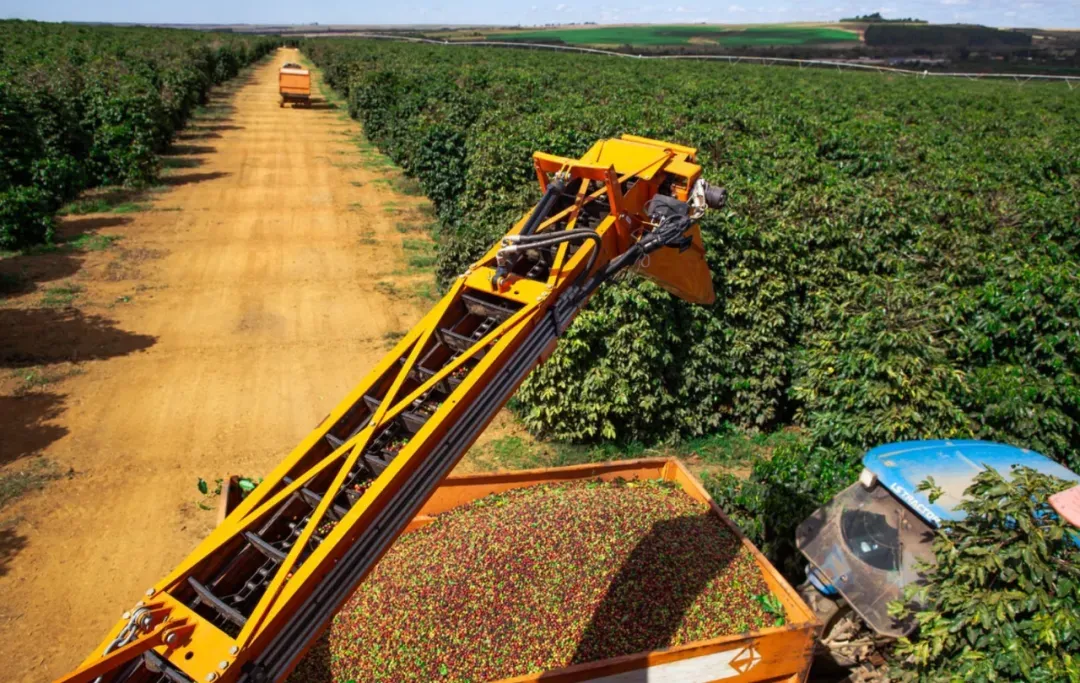
In terms of variety, Arabica harvesting progress stands at 35%, while Robusta has reached 62%, both ahead of the average for the same period over the past five years. However, despite the accelerated harvesting pace, Brazil’s meteorological agency Somar Meteorologia pointed out that some regions have only received sporadic rainfall—for instance, Minas Gerais has gone without rain for three consecutive weeks—and future weather forecasts remain predominantly dry, posing challenges to the growth and quality of coffee crops.
While dry weather helps advance harvesting operations, it may also have negative effects on coffee plants. Hot and rain-scarce environments can foster the occurrence and spread of pests and diseases, thereby threatening both coffee yield and flavor performance. As a result, many farmers have opted for early harvesting to minimize losses. Nevertheless, dry conditions can also aid in the subsequent processing of coffee cherries—as long as proper drying, processing, and storage procedures are followed, there remains a chance to maintain bean quality.
It is worth noting that the market originally expected Brazil’s total coffee output for this year to reach 68.5 million bags. However, as the harvesting process has progressed and issues such as smaller bean size and uneven ripeness have gradually emerged—coupled with the looming threat of an impending strong cold front—several institutions have revised their production forecasts downward to 67 million bags. In particular, the upcoming strong cold air mass that is expected to hit Brazil may significantly affect temperatures in regions such as São Paulo and Rio de Janeiro, with some areas possibly experiencing extreme lows as low as -8°C, posing potential harm to coffee plants.
In summary, Brazil’s coffee-growing regions are facing multiple challenges this year, from abnormal climate conditions and pest threats to the upcoming cold front, all of which contribute to significant uncertainty in this year’s coffee harvest. For consumers, the continuous rise in Robusta futures prices may impact the costs of products such as instant coffee and ready-to-drink coffee, which could subsequently be reflected in end retail prices. For coffee enthusiasts, understanding these market dynamics can help better anticipate future coffee price trends and supply situations.
The above content is compiled by CoffeeHunters, a coffee news website.


