








Introduction:Sparkling Americano, with its cool refreshment and rich coffee aroma, has become a popular summer beverage choice. However, many people encounter issues such as excessive foaming or even overflow when attempting to make it at home by mixing coffee with sparkling water. This article delves into the foaming mechanism behind the Sparkling Americano and provides three practical anti-spill techniques—including using ice cubes or a spoon as a buffer, adding a thin layer of water, and pre-cooling the espresso—to help you easily prepare a smooth, splash-free sparkling iced Americano.
The allure of sparkling beverages lies in the stimulating sensation released by carbonation with each sip, which effectively highlights the layers and depth of the drink. The Sparkling Americano combines this characteristic with the boldness of black coffee, resulting in a refreshing yet flavorful summer specialty. However, many coffee enthusiasts often face a frustrating problem when making it themselves: pouring espresso into sparkling water causes an instant burst of foam, sometimes even spilling out of the cup, ruining the overall experience.
To address this common issue, we’ve drawn from practical hands-on experience to summarize several simple yet highly effective techniques. These methods allow you to enjoy a visually appealing and smooth-tasting Sparkling Americano at home, without being discouraged by “splash accidents.”

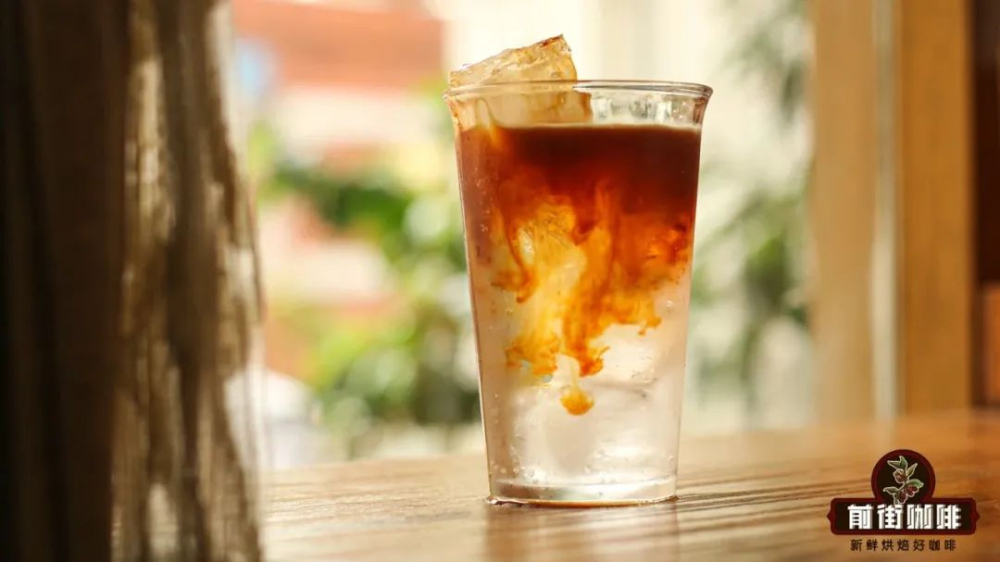
First, let’s revisit the basic method for making a Sparkling Americano. The preparation process is quite similar to that of a regular iced Americano, with the main difference being the use of sparkling water or tonic water instead of regular cold or iced water. Prepare a medium-sized clear glass, add about 100 grams (3 cubes) of ice, then pour the carbonated beverage to about 80% full. Next, use 20 grams of coffee grounds (such as Sunflower Warm Sun Blend) to extract 40 grams of espresso, and slowly pour it into the glass. Gently stir and it’s ready to enjoy. Though the process sounds simple, the reaction between the espresso and carbonated drink can be quite intense.
Why does it foam or even overflow? The key lies in the compressed carbon dioxide within the carbonated beverage. When high-temperature or high-pressure coffee oils come into contact with it, the carbon dioxide is rapidly released, causing the liquid and foam to surge upwards. Pouring too quickly, with too much force, or using espresso that is too hot can all intensify this phenomenon, leading to a sudden rise in liquid level, coffee splashing everywhere, and even affecting the overall taste of the drink—robbing it of its intended refreshing and invigorating sparkle, and leaving behind an overly bitter and harsh impression instead.
To tackle these issues, we’ve compiled the following three practical anti-spill methods. You can choose one or combine them based on your preference:
Method 1: Use Ice Cubes or a Spoon as a Buffer
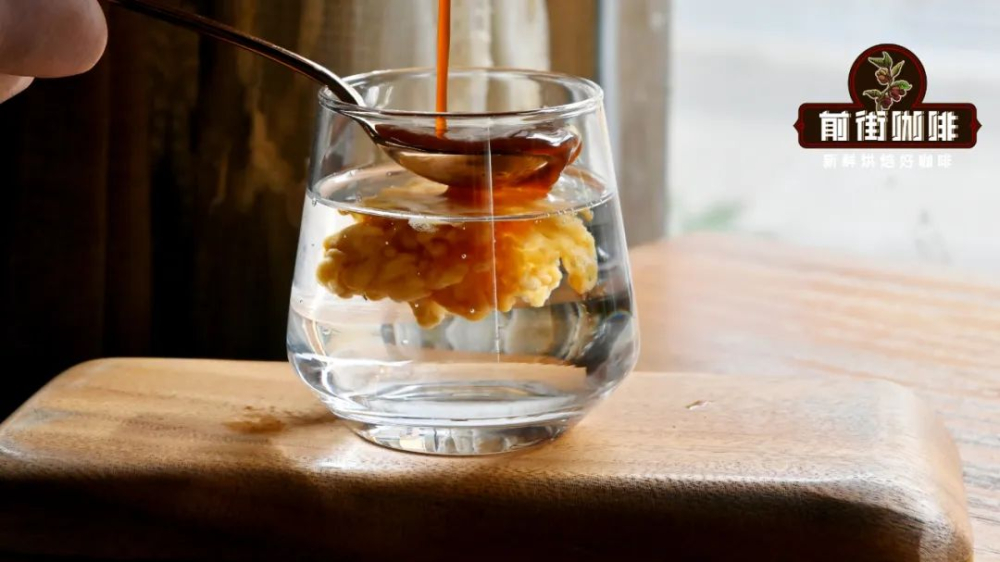
The most straightforward solution is to reduce the impact when pouring the espresso. It’s recommended to hold the shot glass containing the espresso as close to the liquid surface as possible, allowing the liquid to gently drizzle onto the ice cubes rather than directly into the center of the liquid. Another technique is to use a small spoon to catch the espresso first, letting it drip from the spoon into the cup. This prevents the coffee oils from directly contacting the sparkling water, significantly reducing the chance of foaming. Practical tests have shown that this method can noticeably decrease the surface foam layer, making the drink look cleaner and taste smoother.
You can also try creative variations, such as placing a fresh lemon slice on the liquid surface and pouring the espresso onto the lemon. This creates a lemon-flavored Sparkling Americano that not only prevents spills but also adds a refreshing fruity layer of flavor.
Method 2: Add a Small Amount of Plain Water as a Buffer Layer
If you don’t like adding ice, or if you want to enjoy it with a meal but are concerned about overflow when pouring espresso directly, consider adding a small amount of plain water as a buffer to the sparkling water first. For example, if your cup has a capacity of 300 milliliters, after pouring the sparkling water to about 80% full, add approximately 10 grams (about 1 tablespoon) of room temperature or cold water to form a neutralizing medium. This helps stabilize the espresso that you’ll pour in next. Remember to still pour the espresso slowly and close to the liquid surface to avoid any intense reactions.
Method 3: Pre-Cool the Espresso
Another key factor is the temperature difference. Freshly extracted espresso is usually quite hot, and when it meets the icy carbonated beverage, the temperature differential accelerates the release of carbon dioxide. It’s recommended to place an ice cube in the shot glass before extraction, allowing the coffee liquid to cool slightly afterward, or simply use espresso that has been left to sit for a while to reduce the temperature difference with the sparkling water. Additionally, although the coffee oils (crema) are the soul of the espresso, they are also one of the main culprits behind excessive foaming. If you want to further reduce foam, you can gently scrape off some of the crema—but this step is optional. The focus should remain on controlling the pouring method and managing the temperature difference.
By combining the above methods and mastering the pouring angle, force, temperature, and layering, you can easily prepare a Sparkling Americano that doesn’t splash, has moderate foam, and boasts outstanding flavor. Whether you’re a first-time beginner or someone who’s had multiple mishaps, this guide will help improve your success rate and allow you to enjoy the pleasure of perfectly replicating this coffee drink at home.
The above content is compiled by CoffeeHunters, a coffee news website.


