








Introduction:When faced with a coffee bean you've never tried before, do you feel at a loss? In fact, by mastering just a few key parameters, you can easily formulate an appropriate extraction plan. This article will teach you how to determine the roast level based on the flavor descriptions on the coffee bag and adjust the coffee-to-water ratio, grind size, and water temperature accordingly. Even beginners can quickly get the hang of it and consistently extract ideal flavors.
When you receive a pack of coffee beans you've never encountered before, does a big question pop into your mind: what brewing method should be used to bring out its best flavors? In truth, you don’t need to completely overhaul your existing brewing habits. By making precise adjustments to a few core extraction parameters based on the bean's characteristics, you can find the optimal approach for that particular coffee.
This article will start from practical experience and guide you step-by-step in interpreting the information on the coffee bag—especially the flavor descriptions—to infer the roast level, and then set the most suitable coffee-to-water ratio, grind size, and water temperature. Even if you're new to pour over, you can easily handle various unfamiliar coffee beans and consistently brew great-tasting coffee.

Many people’s first reaction when facing unfamiliar coffee beans is to try adjusting their pouring technique. However, for most beginners in pour over, simply maintaining a stable pour already requires practice, and making hasty changes may lead to even more unstable results. In fact, a more effective approach is to fine-tune extraction parameters, which can significantly improve flavor performance.
So here’s the question: with the wide variety of coffee beans on the market—differing in origin, variety, and processing methods—how do you determine which set of parameters is best suited for a particular bean? Our suggestion is: first observe the information on the coffee bag, especially the flavor descriptions, and further deduce its roast level. Because roast degree is one of the most important factors in determining pour over parameters.
When formulating a pour over plan, roast level is the most critical reference indicator. Generally speaking, pour over coffee can be broadly divided into two categories: light roast and dark roast. Light roasted coffee beans have higher density, making flavor compounds harder to extract, so we need to improve extraction efficiency. On the other hand, dark roasted beans have a looser structure and flavors are more readily released, so we actually need to reduce extraction intensity to avoid the bitterness and astringency caused by over-extraction.
However, it’s worth noting that different coffee roasters may define “light roast,” “medium roast,” or “dark roast” differently, and some coffee bags may not indicate roast level at all. In such cases, we can instead look at theflavor descriptionson the packaging to gather clues about the roast level.
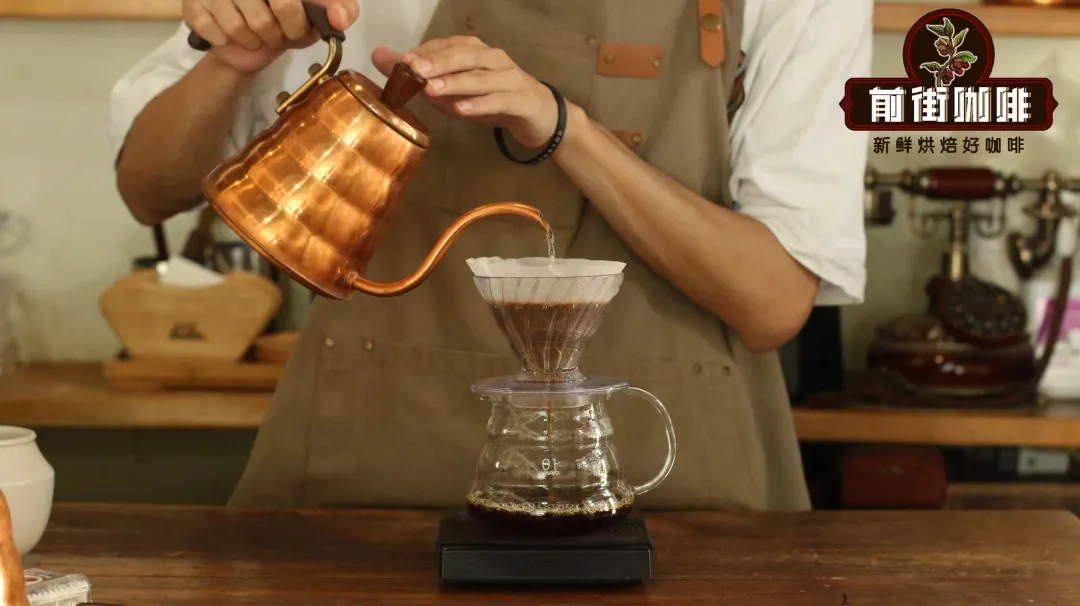
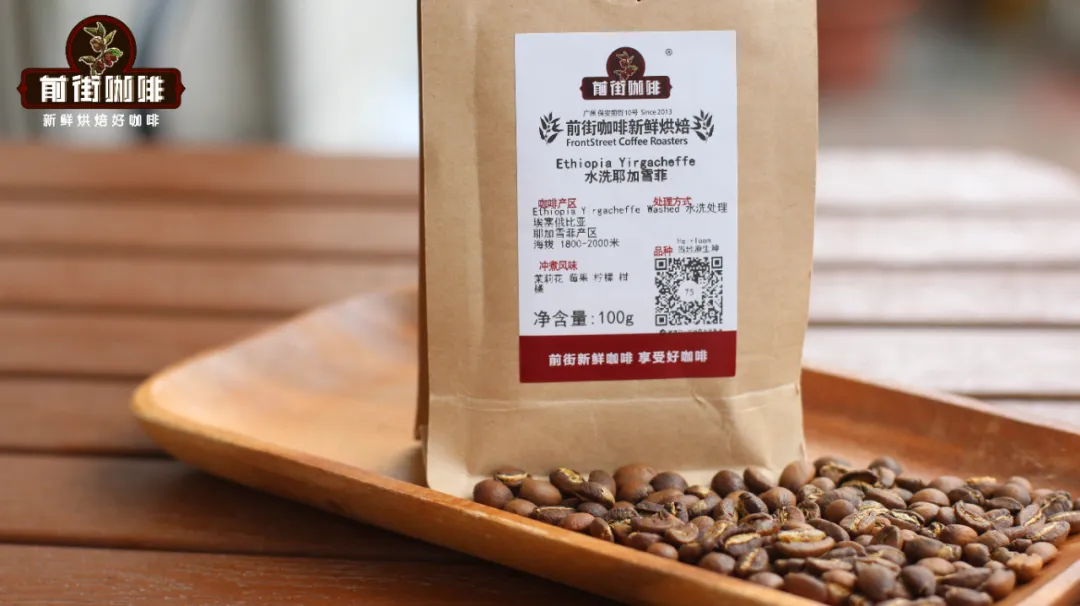
Generally speaking, coffee flavor descriptions can be categorized into several major types:
First arefloral and fruity notes: these descriptions often feature acidic fruits such as citrus, berries, tropical fruits, or fresh floral aromas like white florals, purple florals, or yellow florals. These flavors typically appear in medium-light to light roasted coffee beans.
Next aresugar and sweet flavors: if the flavor description emphasizes sweet terms like honey, cane sugar, brown sugar, or caramel, it usually indicates that the bean leans toward a medium roast, with a gentler yet noticeable sweetness.
The third category isspice and nutty notes: when the description includes words like chocolate, nuts, or spices that carry roasted or bitter undertones, it often means the bean has reached a medium-dark or dark roast range.
Finally, there’s thefermented aroma category: these flavors are rather unique. Descriptions might include wine-like aromas or dried fruit notes—scents that result from fermentation processes. These beans sometimes use special processing methods, offering complex flavor layers but also being more challenging to master.
By synthesizing these flavor characteristics, we can preliminarily judge a coffee bean’s roast level. If the flavor description is filled with floral, fruity, or high-sweetness terms such as honey or cane sugar, then the bean is very likelya light or medium-light roast; if it's dominated by brown sugar, caramel, paired with dark chocolate, nuts, or mild fruitiness, it’s mostly amedium roast, which can be further subdivided into medium-light or medium-dark based on other flavor terms. And if the main profile is chocolate, nuts, and spices, it’s almost certainly adark roast.
Once you understand the roast level, we can begin setting up the three most core parameters in your brewing plan: coffee-to-water ratio, grind size, and water temperature.
First, regarding thecoffee-to-water ratio, we recommend beginners stick to a1:15fixed ratio1:14, which is a golden standard suitable for most coffee beans and can stably deliver balanced flavors. If you prefer a richer taste, you can narrow the ratio to1:16; if you want a cleaner, more distinct flavor profile, you can try
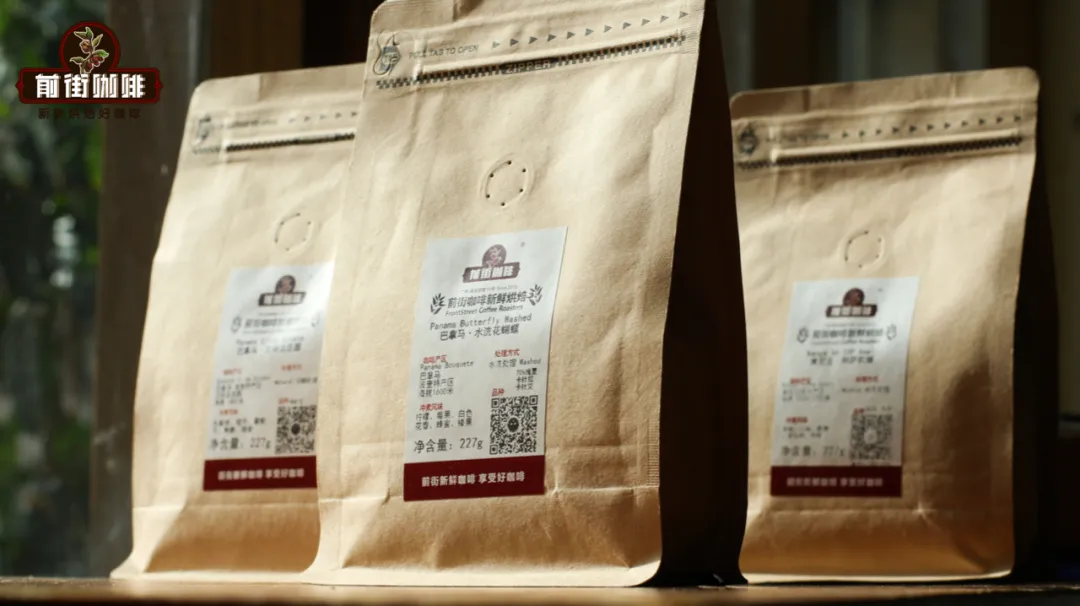
, allowing each coffee particle’s flavor to be more fully expressed.Next isgrind size75%–80%, which is one of the key factors influencing coffee extraction efficiency. Simply put, the finer the grind, the greater the surface area between water and coffee particles, resulting in more thorough extraction. But going too fine can also lead to over-extraction or channeling. It’s generally recommended to use a #20 sieve for testing: for medium-light roasted beans, the post-grind pass-through rate should ideally be controlled at70%–75%; for medium-dark roasts, aim for
. If you don’t have a sieve, you can also make approximate adjustments based on feel or by referring to your grinder’s dial settings.Lastly,water temperaturedirectly affects extraction speed. The higher the water temperature, the faster compounds are released, but it can also extract more impurities. The lower the temperature, the gentler the extraction, but it may under-extract. Forlight roasted beans90°C–93°C, due to their high density and tight structure, it’s recommended to usewater temperatureto enhance extraction efficiency—especially when the beans are fresh or ground coarser, you may moderately increase the water temperature. As for87°C–89°Cdark roasted beans
, because of their loose structure and easily released flavors, it’s advisable to keep the water temperature atto avoid high temperatures accelerating the release of bitter substances. Similarly, bean freshness and grind size will also affect the determination of the optimal water temperature.Additionally, for coffee beans that use
The above content is compiled by CoffeeHunters, a coffee news website.


