







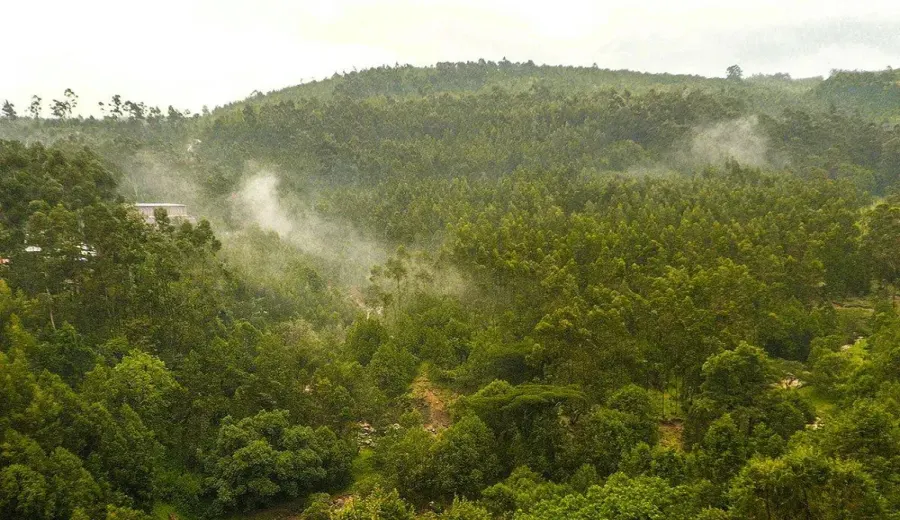
Introduction:Do you know where Arabica coffee was first discovered? Step into the Kafa Biosphere Reserve in southern Ethiopia, an area hailed as a "natural coffee gene bank," which harbors over 5,000 wild coffee varieties. This article takes you through the historical background and ecological challenges of this pristine forest, and includes a sensory evaluation of a washed Kafa Forest coffee from the region, analyzing its unique flavor profile and recommended brewing parameters to help you better understand the potential of this classic coffee.
When it comes to the origin of Arabica coffee, most people first think of Ethiopia, but the place that truly brought this variety to global fame is the Kafa Biosphere Reserve in the country’s southwest. Known as a "natural museum of coffee varieties," this area is not only home to some of the oldest surviving coffee trees, but also a key protected zone for global Arabica genetic diversity. The coffee trees here grow under natural shade in forests at elevations of about 1,400 to 2,100 meters. The unique altitude, microclimate, and red soil conditions contribute to its distinctive flavor expression. A certain coffee brand recently acquired a washed lot from the Kafa Forest, roasted to a medium-light level, showcasing layers of bergamot, white floral notes, orange, and apricot. It has a bright and crisp acidity with a refreshing and pleasant mouthfeel. Next, we will delve into the geography, history, and current ecological status of the Kafa Forest, as well as the actual flavor performance and recommended brewing suggestions for this coffee bean.
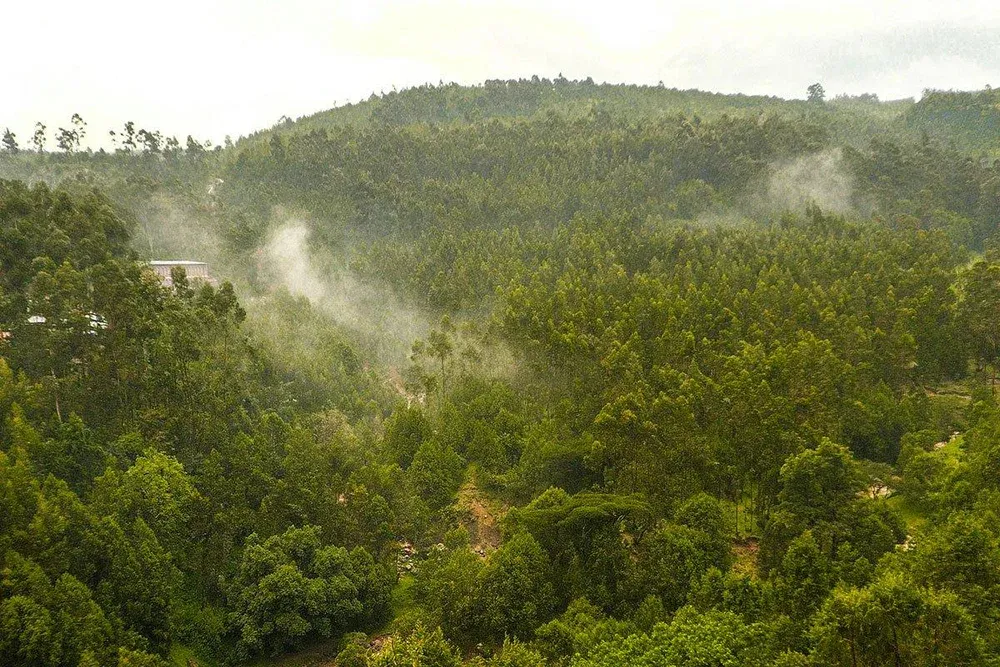
Many people may be unfamiliar with the name "Kaffa"—it is actually a transliteration from the English "Kaffa," and occasionally spelled as "Kafa." The name originates from the historically existing Kingdom of Kaffa, which was incorporated into the Ethiopian Empire in 1897 and became part of what is now the Southern Nations, Nationalities, and Peoples' Region. The name "Kaffa" has thus been passed down. In the current administrative divisions, this area falls within the northern part of the Southwest Ethiopia Peoples' Region.
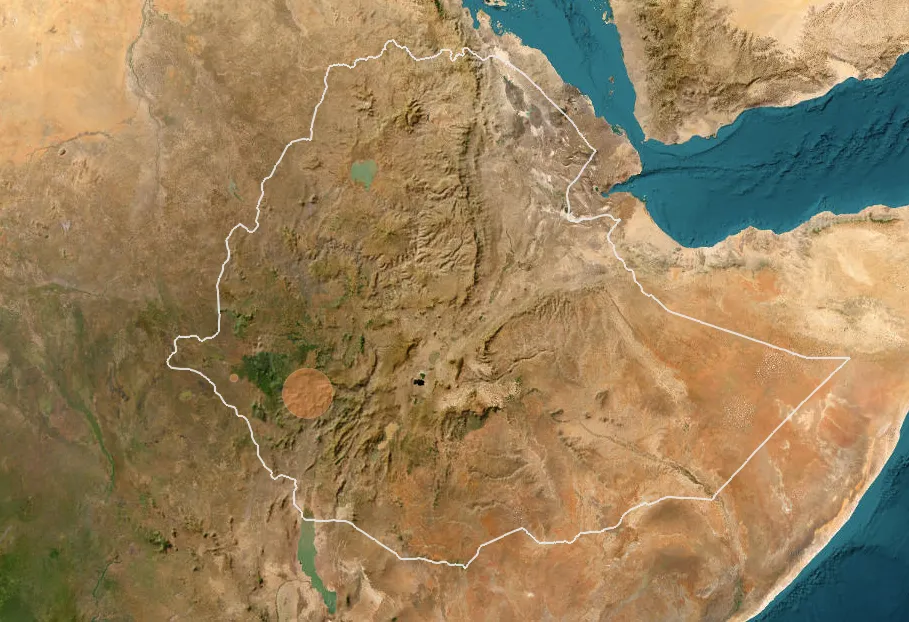
In terms of climate and geography, Ethiopia exhibits extreme diversity. The western region features vast, humid rainforests, in stark contrast to the arid deserts of the east. Viewed from above, the country’s greenery is concentrated in the west, a significant portion of which is the Kafa Biosphere Reserve, located at the junction of the Gambela, Oromia, and SNNPR regions. This area is not only one of the most heavily forested in Ethiopia, but is also regarded as the global birthplace of Arabica coffee.
The Kafa Biosphere Reserve covers a total area of approximately 760,144 hectares, with forested areas accounting for 422,260 hectares—55.6% of the total—making it one of the most forest-rich regions in Ethiopia. According to records by the German Nature and Biodiversity Conservation Union, about 5,000 different coffee tree species have been identified in this reserve so far, making it the most abundant known genetic repository of Arabica coffee and thus earning it the title of a "natural museum of coffee varieties." In this mist-shrouded rainforest, wild coffee trees naturally grow beneath tall shade trees, without any human cultivation, relying entirely on seed drop and natural germination to propagate, forming a unique ecosystem.
Notably, the origin of the Geisha (Gesha) variety is actually in the western part of the Kaffa region, known locally as the "Gesha" zone. This further adds symbolic significance to the Kafa Forest in the specialty coffee world. However, this precious primary forest is facing serious challenges. Over the past few decades, due to unchecked land clearing and deforestation, large areas of wild forest have been converted into farmland, leading to rapid ecological degradation. According to statistics from the United Nations Food and Agriculture Organization (FAO), between 1988 and 2008, the Kafa Forest lost approximately 11,000 hectares of vegetation annually. Without active intervention, this primeval forest could disappear completely within the next 10 to 20 years.
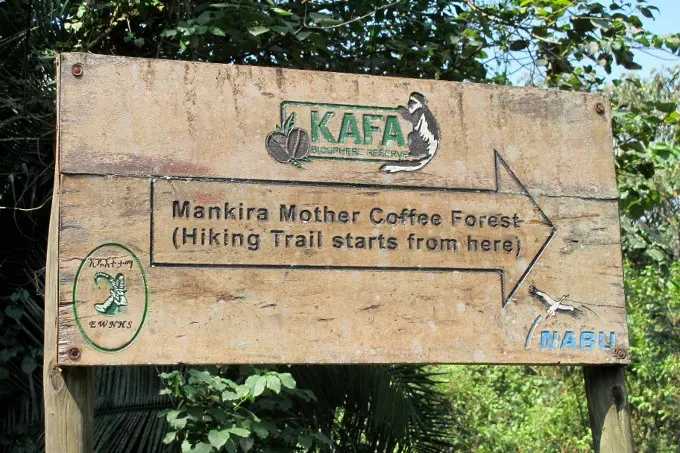
To protect this sanctuary of coffee genetics, since 2010, the NABU organization under the United Nations has designated parts of the original Kafa forest as an international-level biosphere reserve and launched a series of conservation programs for wild Arabica coffee, committed to preserving this most important global coffee birthplace. Currently, around 30 coffee producer cooperatives have been established around the reserve, responsible for collecting ripe red cherries from the primary forest to ensure traceability and sustainability of the coffee beans.
Unlike coffee artificially cultivated in farmland, the coffee trees in the Kafa Forest grow entirely in natural shaded environments at altitudes of 1,400 to 2,100 meters. Thanks to a stable microclimate, nutrient-rich red soil, and ample rainfall, these conditions together produce coffee beans with unique and layered flavors. To personally experience the charm of this "wild coffee," a certain coffee brand specially selected a washed batch from the Kafa Forest and processed it with a medium-light roast to highlight its delicate floral and fruity aromas and clear acidity structure.
This washed Kafa Forest coffee performs exceptionally well in cupping: during the dry aroma stage, elegant white floral notes, fresh citrus peel aromas similar to lemon, and citrus-like orange tones can be detected; after pouring water, the aromas of sweet orange and ripe apricot become more pronounced. Upon tasting, the acidity is bright and clean, accompanied by a complex blend of lemon, sweet orange, nectarine, green tea, and caramel, with a refreshing and well-layered mouthfeel. As the temperature drops, the fruit pulp-like texture of apricot and green grapes gradually emerges, with a light body, and the finish leaves a subtle sweet note of melon and nuts. The overall performance is very balanced and memorable.
If you enjoy trying coffees with distinct floral and fruity characteristics, this washed bean from the Kafa Forest in Ethiopia is definitely worth a try. It is recommended to use a medium-light roast and prepare it via pour over method. The grind size is suggested to be around the granularity of fine sugar (approximately medium-fine, around 70-75% passing through a #20 sieve), with water temperature controlled between 90–92°C. Use a pulsed pouring technique, for example, start with a 30-second bloom using 30 grams of water, then pour in stages up to a total water volume of about 150–180 milliliters. The total brew time is advised to be around 2 minutes 10 seconds to 2 minutes 30 seconds, which helps fully showcase its floral and fruity qualities.
The above content is compiled by CoffeeHunters, a coffee news website.


