







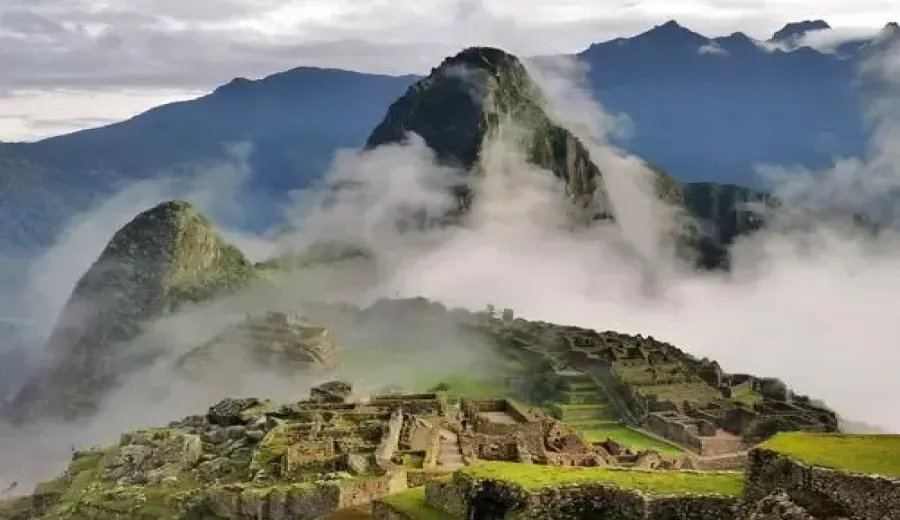
Introduction:Take an in-depth journey to Peru’s Cajamarca coffee region to discover how its high-altitude terrain and smallholder intercropping practices produce uniquely flavored coffee beans. This article not only analyzes the region’s geographical advantages and historical background but also unveils the cultivation and roasting secrets of the 2023 COE champion farm, Yoniser Mego Silva. It’s an essential regional guide for pour over coffee enthusiasts and fans of specialty coffee beans.
Located in the Andes Mountains of South America, Peru may not enjoy the same global coffee market recognition as Colombia or Brazil, but its unique volcanic soil, mountainous climate, and ideal altitude conditions yield coffee beans with delicate flavors and rich layers. Among these, the northern Cajamarca region has risen prominently in recent years, renowned for its smallholder precision farming and sustainable practices, and has repeatedly achieved outstanding results in the COE (Cup of Excellence) competitions. This article will guide readers to explore this promising region, dissecting how Cajamarca cultivates competition-level coffee flavors through its geography, historical evolution, and cultivation characteristics.
The diverse terrain and climate of South America provide favorable conditions for coffee cultivation, especially in areas with active volcanoes and stable rainfall, which are more conducive to growing high-quality coffee. Peru is one such country, boasting volcanic soil and the temperate climate unique to mountainous regions, making it one of the world’s major coffee-producing regions. Despite its relatively low international visibility, Peru leverages its geographical advantages not only to grow premium coffee but also to gradually become a representative of organic and fair trade coffee.
The history of coffee in Peru dates back to the 18th century, but for a long time, it was primarily supplied to the domestic market, with limited export scale. In the late 19th century, due to the outbreak of coffee leaf rust in Indonesia causing supply shortages in Europe, Peru—owing to its debt issues—came into the view of European buyers and emerged as a new coffee source. Following the land reforms after the two World Wars in the 20th century, Peru’s former large estate system disintegrated, transitioning to smallholder operations. However, between the 1980s and 1990s, the country was long affected by internal conflict and activities of the Shining Path guerrilla group, hindering agricultural development until the situation gradually stabilized after 1992. Subsequently, rising international demand for organic, fair trade, and high-quality coffee also prompted the resurgence of Peru’s coffee industry, establishing it as one of the world’s leading producers of organic coffee.
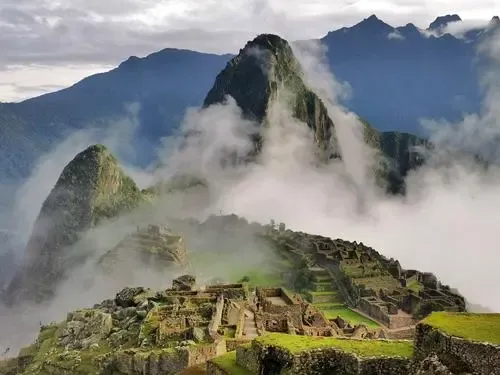
Peru’s terrain is dominated by the Andes Mountains, and the country can be divided into three major geographical zones from west to east: the western arid coastal plains, characterized by a tropical desert climate; the central Andean highlands, with an average elevation of about 4,300 meters, serving as the origin of numerous rivers and coffee cultivation; and the eastern region covered by the vast Amazon rainforest. Although the entire country lies within the tropics, differences in altitude and terrain have created as many as 28 distinct climate types, providing a diverse environment for various crops.
Among these regions, the central Andean highlands are the most suitable for coffee cultivation, featuring a tropical mountain climate with concentrated summer rainfall, significant day-night temperature variations, and a notable drop in temperature due to high altitude, all of which help coffee cherries ripen slowly and accumulate richer flavor compounds. Peru’s coffee-growing regions are mainly divided into northern, central, and southern blocks, with planting altitudes generally ranging between 1,000 and 1,800 meters. The northern region accounts for 43% of the country’s total coffee-growing area, and the Cajamarca zone is the most notable emerging origin within this block.
The Cajamarca region borders Ecuador and is situated in the high-altitude zone of the Andes Mountains, featuring diverse terrain with elevations ranging from 1,500 to 2,600 meters, offering a variety of microclimates for coffee trees. Coffee cultivation here is predominantly carried out by smallholders, with each household managing plots typically between 1 and 10 hectares, and widely adopting sustainable and intercropping farming methods. Common companion crops include bananas, avocados, and corn. This farming approach not only helps maintain soil nutrient balance but also imparts more complex aromatic layers to the coffee beans, one of the key factors behind the region’s distinctive flavors.
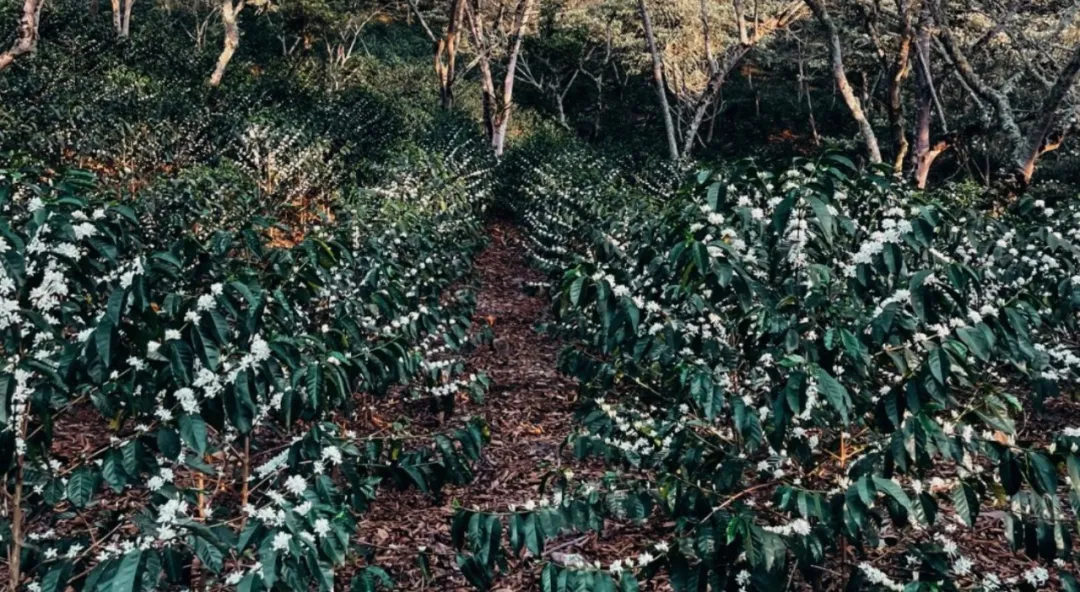
Among the many outstanding farms, the 2023 COE competition champion—Yoniser Mego Silva farm—stands out remarkably. Operated by the Alto Mirador family and located in Jaén, Cajamarca, the farm sits at an impressive altitude of 1,990 meters, representing a typical high-altitude specialty coffee growing environment. The farm was first acquired in 2000, when it primarily grew traditional varieties such as Caturra and Typica. As market demand and cultivation techniques evolved, the farm introduced the Geisha variety in 2020, made its first competition entry in early 2022, and then claimed the championship in 2023 with a remarkable score of 90.74, showcasing the region’s competitive strength on the international stage.
For pour over coffee enthusiasts, coffee beans from the Cajamarca region often exhibit bright acidity, citrus and floral notes, along with moderate body and sweetness, making them highly suitable for medium-light roasting. If you’d like to try coffee from this region, it’s recommended to choose a medium to light roast range. Grind size can be adjusted according to your pour over equipment, but a medium-fine grind (similar to granulated sugar) is generally advised. Water temperature should be controlled between 90–93°C, using a coffee-to-water ratio of 1:15 to 1:16. Brewing with a delicate technique will better highlight its nuanced fruit acidity and floral aromas.
The above content is compiled by CoffeeHunters, a coffee news website.


