







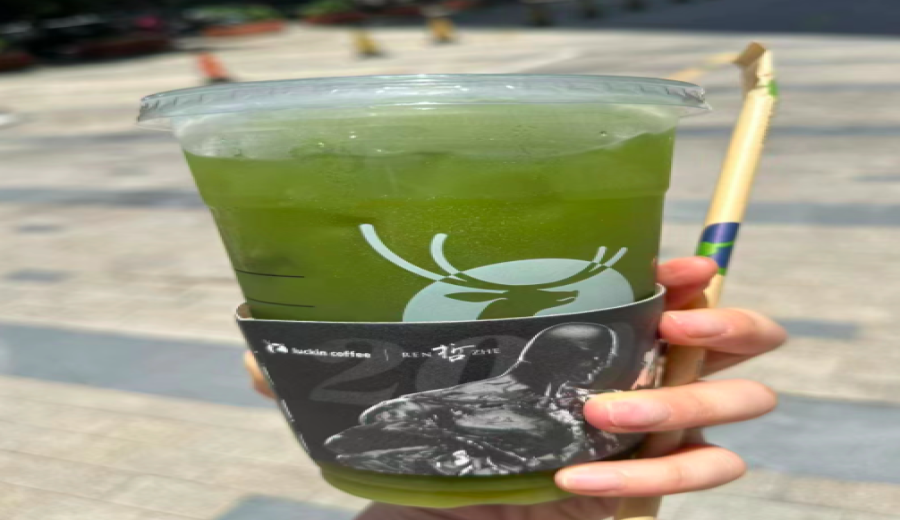
Introduction:Luckin Coffee’s newly launched summer matcha lemon tea has attracted many consumers with its refreshing appearance, but numerous drinkers have reported that the matcha flavor is extremely mild, with the lemon’s sour-sweet notes taking center stage. This article will take an in-depth look at the actual ingredients of the drink, market feedback, and humorous online reviews to help you understand the true flavor profile and formulation logic behind this green beverage.
With the arrival of summer, refreshing and thirst-quenching lemon tea has become the beverage of choice for many. Seizing the moment, Luckin introduced two versions: classic and matcha lemon tea. The green-hued matcha lemon tea, with its eye-catching appearance, quickly drew the attention of matcha enthusiasts and spurred a wave of purchases shortly after its launch.
However, this drink, which appears to be rich in tea aroma, has left many consumers disappointed in terms of flavor. Many noted that despite its fresh green look, the dominant taste is a pronounced sour-sweet lemon, with the expected matcha aroma almost imperceptible—leading some to wonder if they had ordered the wrong drink.
According to official information, the main ingredients of the matcha lemon tea include lemon juice, green coffee extract, and a pre-mixed matcha solution, with no added sugar. Yet, after trying it, many customers reported experiencing a strong sweetness even without additional sugar, while the matcha flavor was unexpectedly weak—far from their imagined matcha experience.
Typically, authentic matcha should carry a unique tea fragrance with a slight bitterness and should not taste overly sweet or cloying. In this drink, however, not only is the matcha element subtly fragrant, but some consumers also observed that if the drink is not consumed immediately, it shows noticeable layering and sedimentation over time, with undissolved matcha powder settling visibly at the bottom.
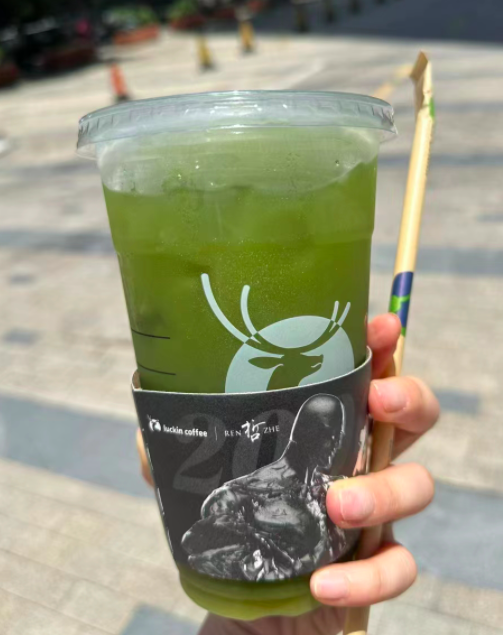
Some drinkers further pointed out that they could clearly feel the presence of matcha granules while drinking, but overall, the taste consisted of lemon acidity and the grittiness of matcha powder operating independently—with no harmony between them. One described it as “unsweetened, unchilled lemon tea and matcha powder fighting in your mouth,” noting that the flavor balance needs improvement.
Online reviews of this new product are varied. Some consumers jokingly referred to it as a “decorative matcha drink,” believing that the matcha serves more as a visual embellishment than a true flavor contributor. One even quipped, “The presence of matcha is like my role in the office—purely decorative.”
Beyond the humorous critiques, there were also some practical observations. For instance, one office worker mentioned that having this green drink on their desk provided a certain level of visual relaxation, offering mild relief for eyes strained by prolonged screen time. While the flavor might not be satisfying, it at least has an edge in “eye care.”
In summary, Luckin’s matcha lemon tea is indeed eye-catching in appearance and creativity, but those expecting a strong matcha flavor may be left wanting. For consumers who enjoy the sour-sweet taste of lemon, it might still be an enjoyable drink. However, if you’re looking for an intense matcha experience, it’s better to opt for other products that focus on tea aroma to truly appreciate the unique charm of green tea.
The above content is compiled by CoffeeHunters, a coffee news website.


