







Introduction:As summer arrives, wearing masks for extended periods has become a daily challenge for food and beverage industry workers. Recently, some Luckin Coffee store employees reported that the new masks distributed by headquarters are made of thinner material with poorer breathability than expected, leading to skin redness, itching, and other allergic reactions among multiple staff members. This article delves into the potential causes behind this incident and offers practical advice on selecting suitable masks for baristas, helping professionals balance hygiene and skin health.
In the food and beverage service industry, wearing masks is a basic measure to ensure food safety, especially during beverage preparation. However, with the arrival of high summer temperatures, even with air conditioning in stores, employees still have to keep their mouths and noses covered under masks for long periods, which can easily cause discomfort and even lead to skin issues.
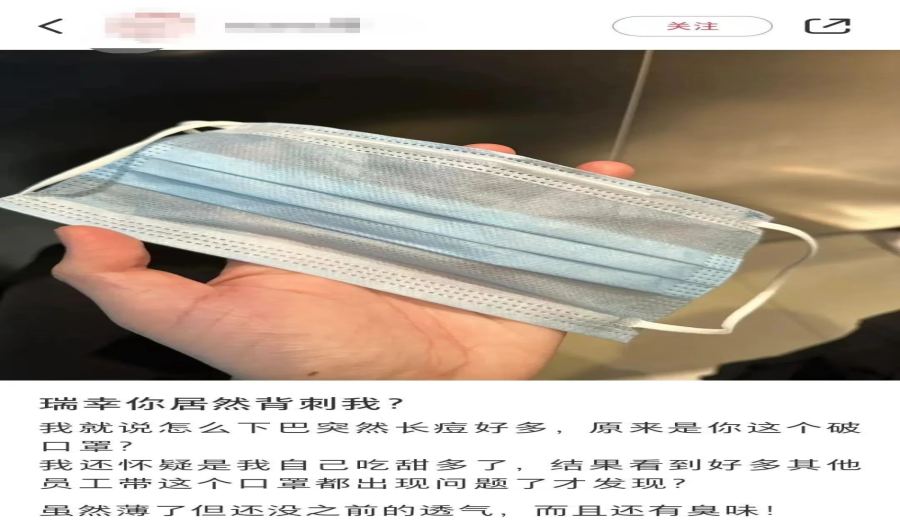
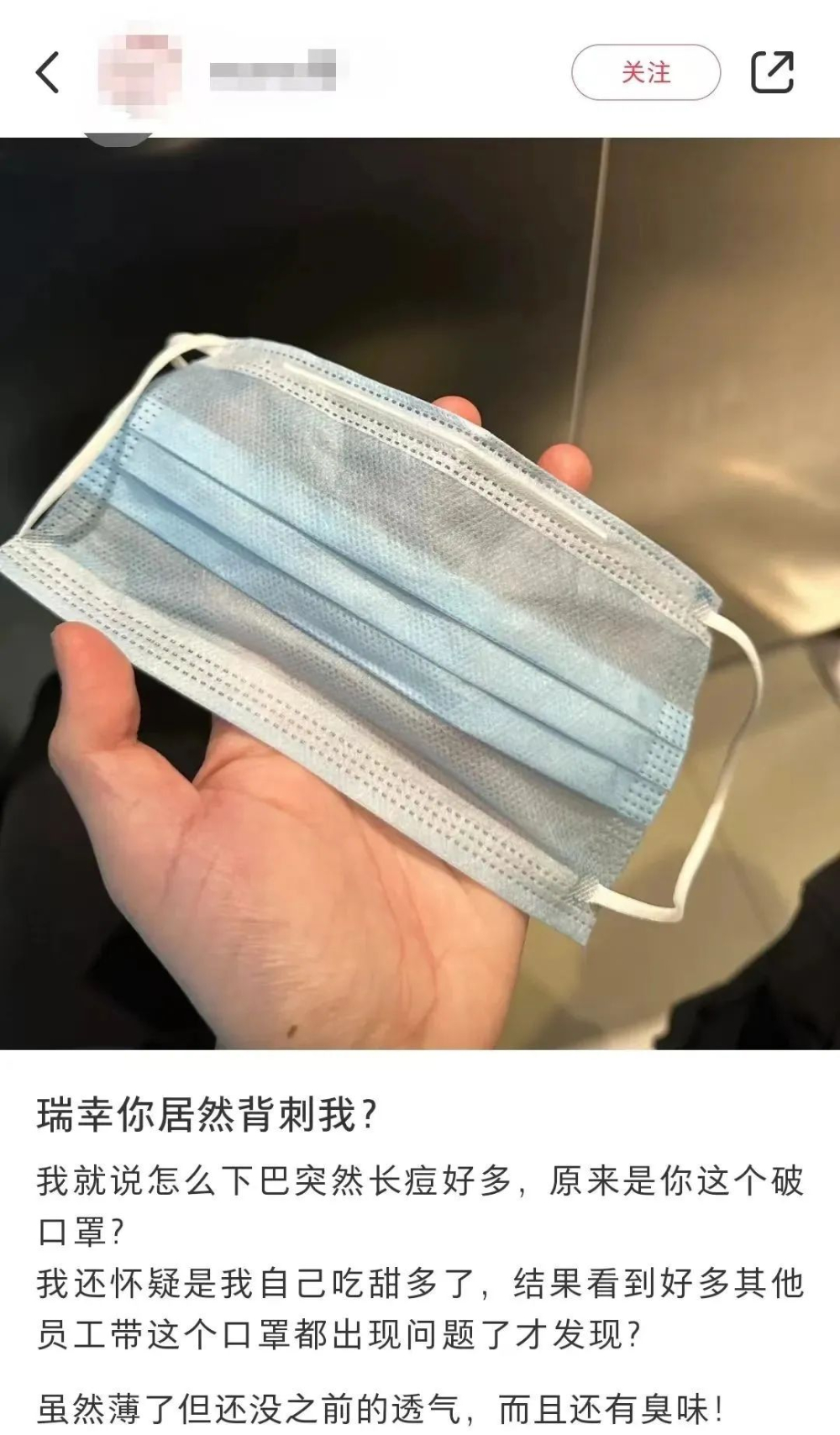
Recently, some Luckin Coffee store employees reported that the company headquarters recently updated the masks supplied to stores. Compared to the old ones,the new masks are lighter in color and thinner in material, seemingly more lightweight, but in practice, they do not significantly improve breathability. Some employees mentioned that the mask looks "as thin as gauze," and when stretched out, the facial outline beneath the non-woven fabric can be faintly seen.
However, after wearing these masks for a few days, many employees began to experience redness, itching, and even acne-like red bumps on areas such as the chin and cheeks.Some employees initially thought the skin issues were caused by hormonal imbalances, but after discussing it, they found that many had used the same batch of new masks and all experienced varying degrees of skin discomfort.
On social media platforms, employees from other regions also commented that since switching to these new masks, the lower half of their faces had clearly become uncomfortable, including chin breakouts, cheek redness and itching, suspected to be allergic skin reactions. Some employees even mentioned that if they continued wearing these masks, the discomfort would gradually worsen, but switching back to their own purchased regular medical masks noticeably improved their skin symptoms.
Therefore, many Luckin employees speculate that these new masks are very likely the root cause of their "skin problems" and have raised questions about their material and quality. Additionally, some employees reported that the new masks had an unusual smell upon opening,and those who are more sensitive to odors even experienced nose itching after wearing them, further deepening concerns about their safety.
Faced with this situation, some employees have stated that they no longer use the company-provided masks and have switched to purchasing masks of other brands or materials. They generally believe that while it is reasonable for the brand to require employees to wear masks based on food safety, if the mask material itself is subpar, it not only fails to provide effective protection but may also cause side effects such as skin allergies.
For baristas or food and beverage workers, when choosing masks to wear at work, in addition to considering epidemic prevention and hygiene needs, the following points should also be noted to reduce the risk of skin discomfort:
First, it is recommended to choosemedical surgical masks or standard masks such as KF94 with dense yet breathable materials, avoiding overly thin or unverified products; secondly, it’s best to let new masks sit in a ventilated area for some time before use to reduce potential odor irritation; moreover, if persistent redness or itching occurs after wearing, one should immediately switch the mask brand or material, and consult a dermatologist if necessary.
The feedback from Luckin employees serves as a reminder to the entire food and beverage industry that while focusing on epidemic prevention and hygiene, the wearing experience and skin health of frontline employees should also be valued. Brands may need to reassess their choice of mask suppliers to ensure that the protective equipment provided not only meets hygiene standards but also takes into account comfort and safety in wearability.
The above content is compiled by CoffeeHunters, a coffee news website.


