







Introduction:Did you know? The global craze for the bright, fruity acidity of Yirgacheffe has only taken off in the past decade or so. Yet over three hundred years ago, Indonesia’s Mandheling, with its rich, deep woody profile, had already laid the foundation for traditional coffee flavors. This article will take you through the coffee plantations of the Dutch East India Company, the routes of Southeast Asian Chinese traders, post-war Japanese acclaim, and the origins of Golden Mandheling—offering an in-depth look at the evolution of this classic coffee and revealing why it remains beloved by pour over enthusiasts to this day.
Today’s specialty coffee scene is dominated by the bright, vibrant fruitiness of Yirgacheffe. But experienced coffee drinkers know that Mandheling from Sumatra, Indonesia, with its bold, full-bodied woody and spicy aromas, still holds its own. This flavorfully distinct coffee is not just a contrast on the palate—it also carries a history of trade and cultural exchange spanning three centuries.
Many people encountering Mandheling for the first time are often struck by its low acidity and full body, finding it unfamiliar or even hard to appreciate. However, looking back at the broader trajectory of coffee’s development, Mandheling was actually the mainstream representative in early international markets. Compared to the fruity profiles that have gained popularity in recent years, Mandheling’s steady and layered flavors embody the profound charm of traditional coffee.
As a global trade commodity, coffee originally came from Africa. But its true large-scale expansion beyond Africa began with the strategic moves of the Dutch East India Company in Indonesia. In the 17th century, as the dominant maritime trading power of the time, the Dutch used the East India Company to widely cultivate coffee across the Indonesian archipelago, with Sumatra and Java becoming key production regions. This not only transitioned coffee from being a luxury item for the elite to a more widely accessible consumer product, but also laid the groundwork for Asia’s subsequent coffee industry.
Interestingly, the Dutch East India Company once gifted a precious coffee seedling to the King of France. It is said that this plant later became one of the origins of the Bourbon variety, thereby influencing the coffee cultivation landscape across Central and South America. Such a small historical anecdote invisibly links the fates of coffee-growing regions around the world.
In Southeast Asia at the time, Chinese immigrants played a significant role in advancing coffee trade. Many Chinese in the region were involved in the buying, selling, and processing of coffee beans. Although coffee was mostly prepared using traditional brewing methods—far from today’s precision-focused pour over culture—it still laid the foundation for Mandheling’s later fame. For example, Chinese merchants in Semarang once helped bring Mandheling coffee to a wider consumer market, with their influence even extending to Japan.
In post-war Japan, the demand for coffee surged sharply, and the nearest stable supply source was Indonesia. At the time, Medan Port in Sumatra became the main channel for Japan’s imports of Mandheling beans. Interestingly, the name “Mandheling” is not the original name of the producing region, but rather derived from the name of an ethnic group. It was mistakenly adopted as a regional label and has remained in use ever since.
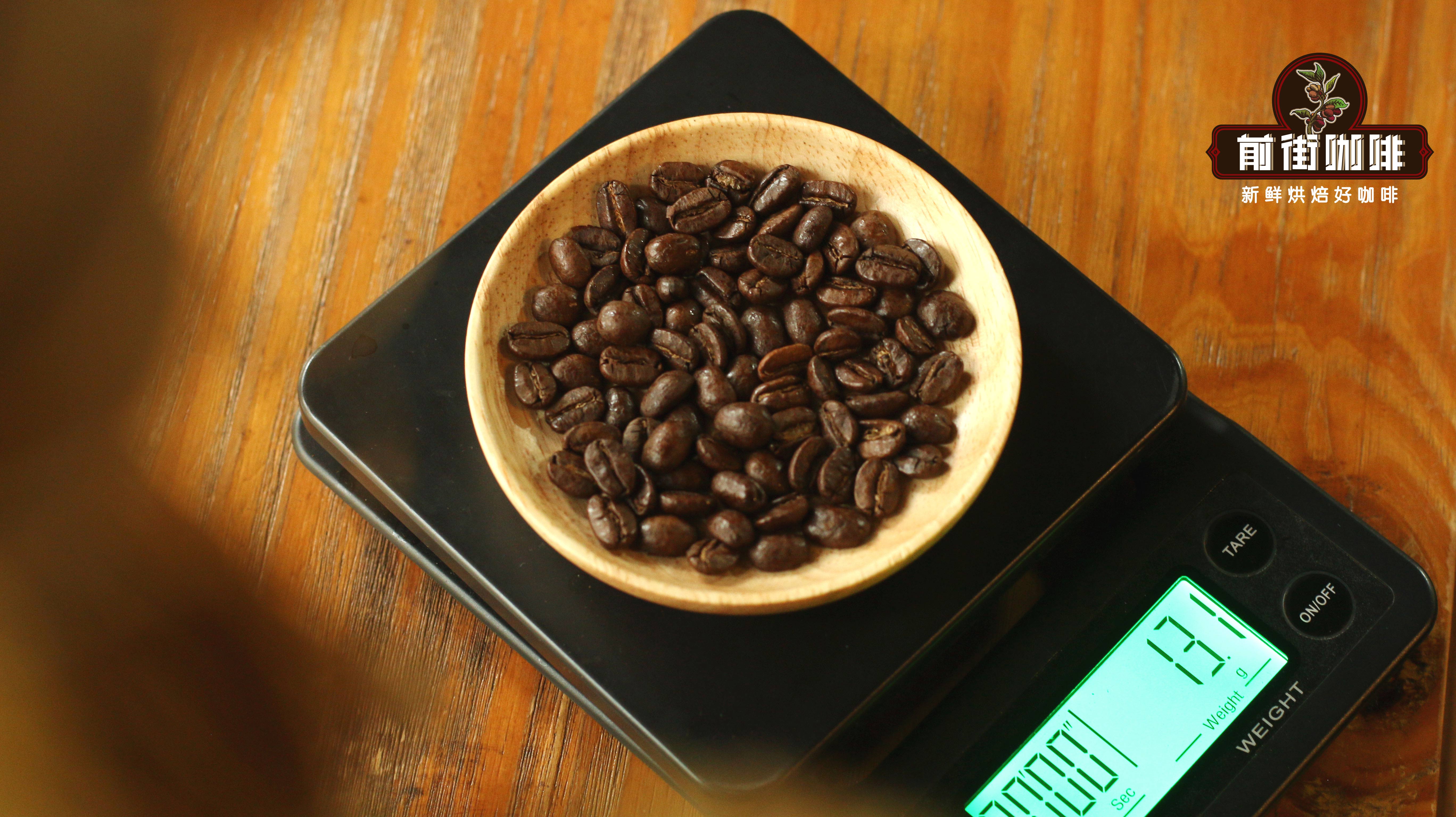
As for the origins of Golden Mandheling, there is a more commercialized story. In the 1950s, a trading company called PAWANI, founded by Chinese immigrants from Quanzhou in Medan, began exporting high-quality Sumatran coffee beans to markets in Japan and the United States. To highlight the rigor of their bean selection, the company registered the brand name “Golden Mandheling,” emphasizing that the beans were hand-picked three times to select only the most round and plump ones—resulting in a cleaner and more layered flavor profile.
Golden Mandheling is typically made from beans sourced from high-altitude regions in Aceh or North Sumatra, Sumatra.When roasted to a medium-light level, it can showcase notes of nuts, herbs, and a hint of smokiness, while darker roasts enhance caramel and chocolate aromas.Generally speaking, its flavor profile is clearer and cleaner than that of regular Mandheling, with less off-flavor or harshness—another reason for its relatively higher price.
It’s worth noting that many products currently marketed as “Golden Mandheling” have no direct connection to the original PAWANI offerings—they simply borrow the well-known name. Consumers are advised to pay attention to origin information and the background of the roaster to avoid confusion.
Looking back at this long history, Mandheling is not just a coffee—it is also a vessel that connects colonial trade, cultural exchange, and flavor memory. In today’s specialty coffee trend that pursues freshness and fruitiness, Mandheling continues to attract those who appreciate its unique richness, depth, and lingering finish.
The above content is compiled by CoffeeHunters, a coffee news website.


