








Introduction:Dirty coffee has become a favorite among many coffee enthusiasts in recent years, thanks to its unique interplay of hot and cold layers. However, replicating the striking flavor contrast found in coffee shops at home is no easy feat. This article delves into the fundamental differences between Dirty and latte, breaking down the key elements—from coffee bean roast level, milk selection, temperature control, to layering techniques—that make a great Dirty. Practical tips are also included to help you easily craft a professional-quality Dirty coffee at home.
With its distinctive visual layers and contrasting hot-and-cold flavors, Dirty coffee has quickly won over many former latte drinkers. That said, many people attempting to make it at home often struggle to recreate that impressive sensory contrast found in cafés. This article will start by exploring the core differences between Dirty and latte, diving into what makes Dirty so captivating—its bold taste and temperature contrasts. We’ll also explain in detail how to choose the right coffee beans and milk, along with mastering layering and temperature control, so you can brew an unforgettable Dirty at home.
 Compared to the common iced latte, the first sip of Dirty coffee offers a more direct and layered experience. The bold intensity of the espresso clashes with the smoothness of the milk, and this intense sensory juxtaposition is where its charm lies. As a result, since the Dirty trend began, many latte lovers have turned to trying out this new style. But that doesn’t mean iced latte is inferior to Dirty—the two simply differ in presentation and flavor direction. Making Dirty isn’t actually complicated; visually, the key lies in floating hot espresso over iced milk, creating a dual contrast of sight and taste.
However, many who try making Dirty at home often find their results lacking that striking impact found in cafés. The issue usually isn’t the recipe, but rather overlooking the most essential element of Dirty—“contrast.” The appeal of Dirty lies not only in its visual layered effect, but also in the strong contrast of temperature and flavor. Therefore, to successfully replicate a high-quality Dirty, besides maintaining a separation between coffee and milk, you also need to create significant differences in temperature and taste.
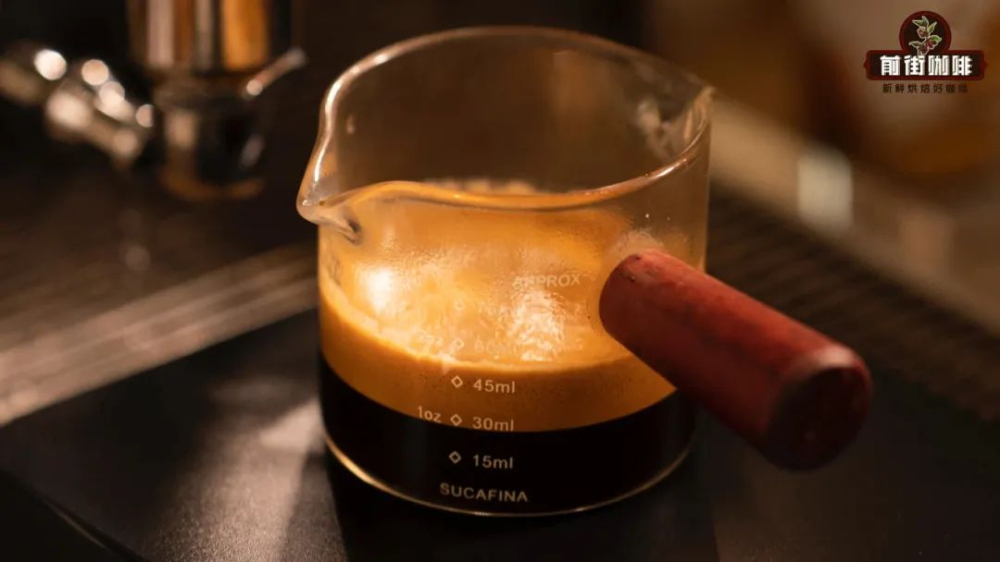
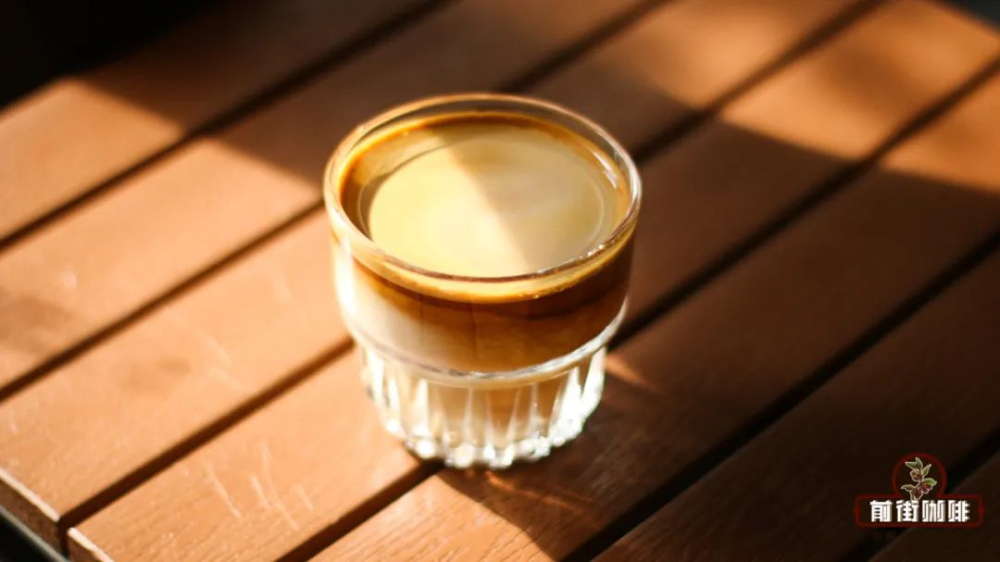 The soul of Dirty coffee lies in the multiple contrasts between coffee and milk, and within that, the espresso plays the pivotal role in leading the flavor. Since the espresso is the first component you taste, its flavor characteristics directly influence the overall drink. The performance of the espresso is heavily influenced by the roast level of the coffee beans—generally, the lighter the roast, the more pronounced the acidity; the darker the roast, the stronger the bitterness. Since milk’s dominant flavor note is sweetness, it’s recommended to choose a roast level that contrasts with that to enhance the taste contrast.
For readers looking to make Dirty at home, it’s recommended to use medium-dark roasted coffee beans. These beans, when extracted, offer a moderate level of bitterness—neither overly harsh nor letting acidity dominate—which can form a good balance with the sweetness of the milk, thereby enhancing the overall layering. Commercially available medium-dark roasted beans are a solid choice, helping to create a Dirty with distinct contrasts.
As for milk selection, it’s equally a critical factor influencing the performance of Dirty. Since Dirty only uses espresso and milk as ingredients, the nature of the milk directly affects the overall flavor and layering. To contrast with the bitterness of the espresso, it’s recommended to choose milk with a richer mouthfeel and noticeable sweetness. The higher the content of protein, fat, and lactose in the milk, the sweeter and smoother its flavor will be, and the greater its density, which can also help prolong the separation between the espresso and milk.
It’s worth noting, however, that while higher-concentration milk helps enhance contrast, don’t overdo it. If the milk contains excessively high levels of solids, it may develop a cheese-like saltiness, which when combined with the bitterness of the espresso, could make the overall taste overly heavy and affect the drinking experience.
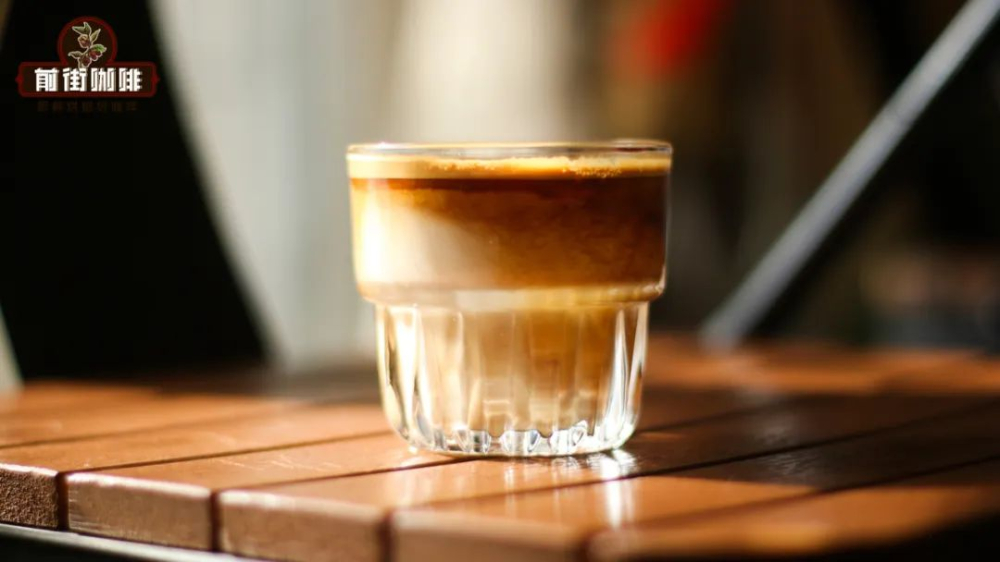 Beyond flavor and texture, temperature is another key element contributing to the contrast of Dirty. To achieve a striking flavor contrast, it’s recommended to use hot espresso paired with cold milk, leveraging the notable temperature difference to further enhance the layered mouthfeel. Chilled milk naturally provides the low-temperature condition, so there’s not much difficulty in ingredient preparation, but keeping the milk cold until consumption does require some technique.
A special reminder here: the temperature of the cup will directly affect how well the milk stays cold. Using a room-temperature cup will cause the cooler milk to gradually warm up through heat conduction from the cup walls, leading to the premature breakdown of the layered effect. Therefore, it’s advised to chill the cup in the refrigerator for a while before making Dirty; this helps slow the rise in milk temperature and maintain better layering and flavor contrast.
Finally, regarding the actual brewing process, although it may seem like simply pouring espresso over milk, there are still some details worth paying attention to. If the pressure during the espresso pour is too high or the angle is off, the coffee liquid can easily plunge directly into the milk, causing the two to mix quickly, and the final product might end up resembling an iced latte, losing the intended layering of Dirty. To avoid this, when pouring the espresso, try to minimize the distance between the coffee spout and the milk surface, or you can gently press a spoon against the milk surface to reduce the impact force, ensuring a clear and distinct layering.
The above content is compiled by CoffeeHunters, a coffee news website.


