







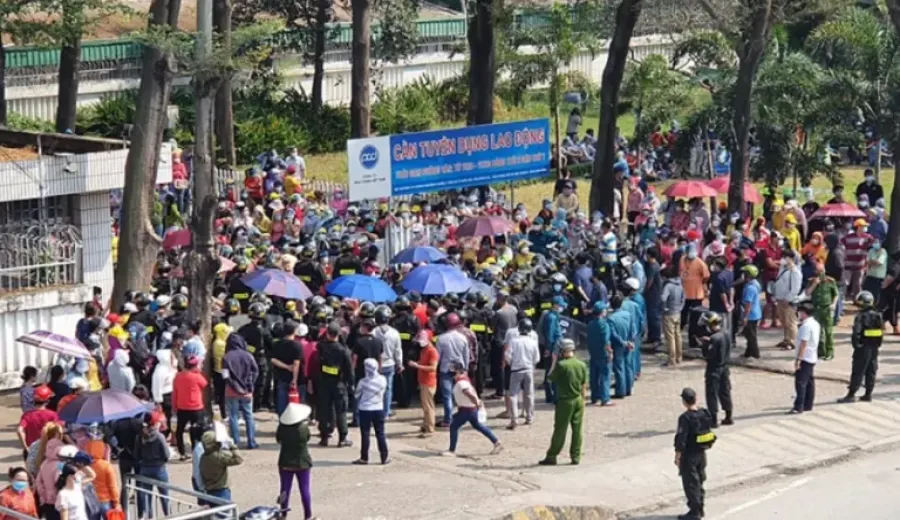
Introduction:Vietnam has recently seen a wave of factory strikes across multiple regions due to a 6% increase in the minimum wage, with the coffee industry bearing the brunt. As the world’s second-largest exporter of Robusta coffee, local businesses are facing a triple blow of surging labor costs, drought-induced production declines, and shipping disruptions. This article delves into the details of the regional wage adjustment policy, the ripple effects of the strikes, and how these variables are specifically impacting coffee export prices and supply chain stability—helping you stay on top of the latest developments in Southeast Asia’s coffee market.
On July 20, a large-scale strike broke out at Hong Fu, a furniture factory in Vietnam’s Binh Duong Province, where 422 employees stopped work for two consecutive days. The incident was triggered by a salary adjustment notice issued by the company on July 17, which vaguely mentioned a "wage increase in accordance with the law" but failed to specify exact amounts or include an official seal, leading to strong worker skepticism about the actual raise.
The Binh Duong Provincial Department of Labor confirmed that the involved company resumed production after adjusting all employee salaries in accordance with Resolution No. 74/2024/ND-CP. However, such cases are not isolated—the local labor federation revealed that nearly 100 workers at Chen Tai Company and approximately 1,500 employees at Yupoong Company also staged collective walkouts due to similar wage disputes during the same period.
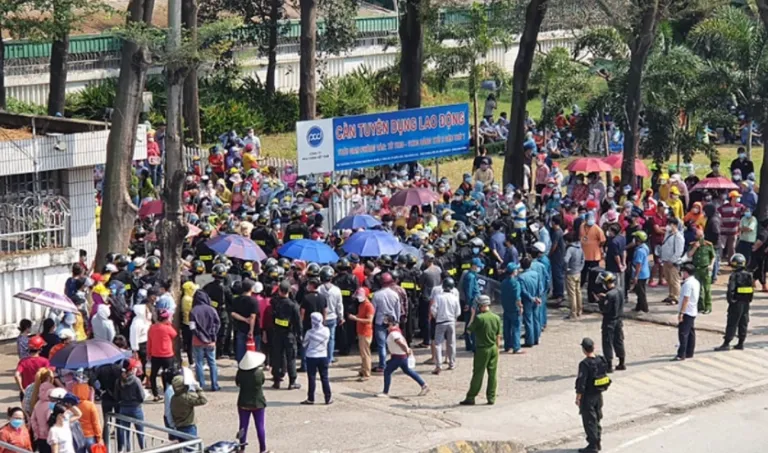
The root cause of this labor conflict lies in the Vietnamese National Wage Council’s proposed 6% increase in the regional minimum wage. The new policy divides the country into four zones, with varying increases for each: Zone 1 (e.g., Ho Chi Minh City) saw its monthly minimum wage rise from 4.68 million VND to 4.96 million VND (approximately $142), while Zone 4 (e.g., northern mountainous regions) increased from 3.25 million VND to 3.44 million VND (approximately $99).
In southern provinces, where the coffee industry is concentrated, many foreign-owned factories implemented wage hikes that fell short of worker expectations. In Binh Duong Province, for example, coffee processing plant workers originally earned between 4.5 million and 5 million VND per month (approximately $130–$145), but the actual raises implemented by companies mostly ranged from 200,000 to 300,000 VND—far below the theoretical 6% increase.
As a key producing region accounting for 40% of global Robusta coffee exports, Vietnam’s coffee industry employs a large number of low-skilled workers. The wage increase directly drives up costs in roasting plants, warehousing, logistics, and other segments. One mid-sized exporter revealed that its labor expenses had risen by 18% year-on-year. Even more severe is the ongoing drought in the central highlands this year, which has led to an estimated 15% reduction in coffee bean output, with particularly notable declines in Arabica-producing areas.
Market data shows that Vietnam’s domestic coffee spot prices have climbed to 120 million VND per ton (approximately $5,100), reaching their highest level in nearly three years. Traders, forced to pay premiums to fulfill earlier contracts, are struggling as EU buyers shift to Brazilian or Indonesian beans due to the Red Sea shipping crisis, resulting in an 11.4% year-on-year decline in Vietnam’s Robusta exports to 893,900 tons in the first half of the year.
Logistical bottlenecks have further exacerbated the challenges—coffee shipments to Europe now have to detour around the Cape of Good Hope, increasing container transportation costs by $2,000–$3,000 per unit. A spokesperson for an exporting company noted that current contract margins are almost entirely eaten up by freight costs, and with inventory only sufficient until the new harvest season in November, small and medium-sized traders face a sharply increased risk of cash flow breakdowns.
Notably, even leading enterprises are under significant pressure. The latest financial report from the well-known coffee brand Vinacafe shows that although the company achieved a paper profit in 2023, its cumulative losses still amounted to 1.09 trillion VND (approximately $42 million). This wage increase will result in an additional annual labor cost burden of about 20 billion VND for the company.
The above content is compiled by CoffeeHunters, a coffee news website.


