







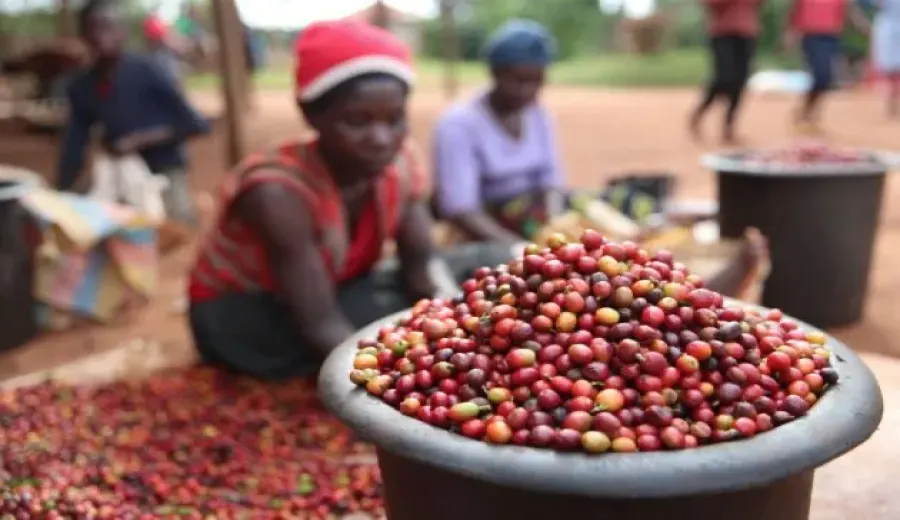
Introduction:Kenya’s coffee industry is facing its most severe challenge in three decades. Torrential rains coupled with policy turmoil have led to a projected sharp decline of 6.3% in production for the 2024/25 season, as the government’s revitalization plans clash with sudden tax hikes. This article delves into the chain reactions from farm to export, reveals the real impact of a 16% value-added tax on coffee farmers, and offers strategies to cope.
The coffee-growing belt of the East African highlands is shrouded in uncertainty. According to the latest monitoring data from the United States Department of Agriculture, hit by consecutive heavy rains and a continuous shrinkage in planted area,Kenya’s coffee output for the 2024/25 season is expected to reach only 750,000 bags (60 kg per bag), a steep drop of 6.3% from the previous year. The country, once consistently ranked among the world’s top specialty coffee producers, now faces the risk of production falling below the ten-year average.
The Kenyan government had ambitiously planned to boost production to 102,000 metric tons (approximately 1.7 million bags), a 55% increase, by 2027. To this end, a debt relief program has already written off 6.7 billion Kenyan shillings in debts owed by cooperatives, with an additional 4 billion shillings injected into the coffee cherry fund. But these positive policies were suddenly interrupted bya fiscal bill involving a tax hike of 346.7 billion Kenyan shillings (approximately 2.67 billion USD), sparking nationwide unrest.
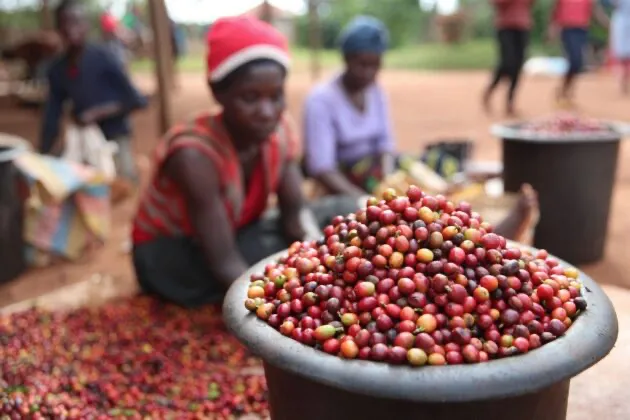
Protests erupted in the capital Nairobi, where police clashed violently with demonstrators. This unrest, which originated fromthe introduction of a 16% VAT on essential goods such as bread, sugar transport, and mobile communications,eventually spread to the entire coffee supply chain. It is particularly noteworthy that international coffee trade is generally settled in US dollars, while the Kenyan shilling has depreciated by more than 20% over the past two years—the new tax system will directly increase implicit costs for coffee farmers by approximately$0.8 to $1.2 per kilogram of green beans.
The newly implemented Coffee Industry Regulations have further exacerbated industry turbulence. The rules require all coffee cherries to be processed in licensed facilities, leading to the suspension of operations by several processing plants, including international giant NKG. Field research shows that in some producing areas,coffee cherries cannot enter the processing stage within 48 hours of harvest, causing high-quality Arabica beans to begin fermenting and deteriorating in the fields. Small-scale processing plants face dual pressures of logistics disruptions and labor shortages, with records from one producing area cooperative showing a 15% increase in spoilage rates compared to the same period last year.
Although the president has urgently revoked the tax hike plan, policy uncertainty continues to loom. Industry analysts point to three key risk factors: first,Kenya’s total external debt has reached 36.66 billion USD in 2024, and the pressure to service this debt is forcing the government to seek alternative revenue sources; second, the International Monetary Fund’s $1.1 billion aid agreement comes with strict fiscal austerity conditions; finally, the coffee industry accounts for 12% of the country’s foreign exchange earnings, and any fluctuations will affect macroeconomic stability.
For coffee enthusiasts interested in Kenyan beans, it is currently advisable to prioritize2023/24 season AA-grade stock, which typically features bright blackcurrant acidity and raisin-like sweetness. Professional roasters remind that when choosing processing methods, washed Kenyan beans should be roasted in themedium-light range of 92–94°Cto highlight their signature vibrant fruit acidity layers.
In the long run, Kenya’s coffee industry needs systemic solutions: short-term measures should establish emergency processing networks to handle seasonal peaks, medium-term efforts should promote digital transformation of cooperatives to enhance traceability, and long-term strategies should strengthen brand value through geographical indication protection. When the policy fog clears, this highland nation—birthplace of the legendary SL28 variety—still holds significant leverage to reshape the global specialty coffee landscape.
The above content is compiled by CoffeeHunters, a coffee news website.


