







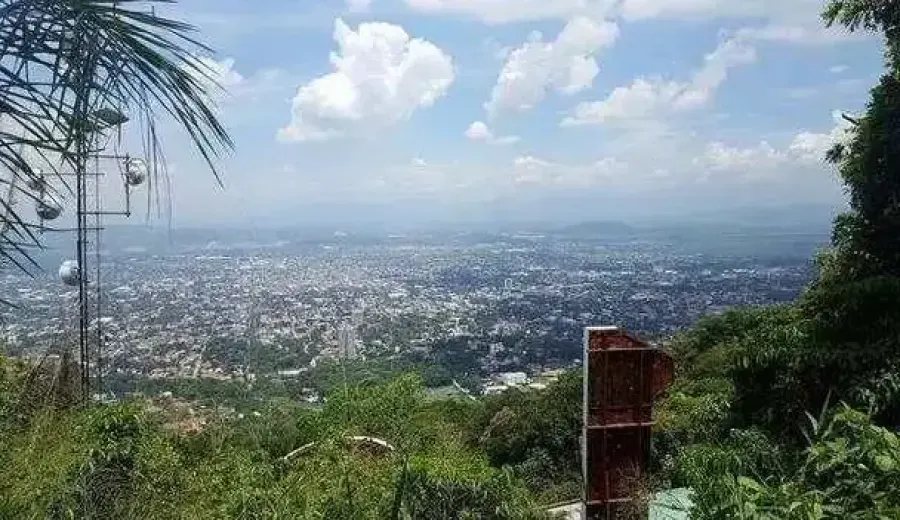
Introduction:Delve into the unique terroir and coffee potential of Honduras’ Conayagua region, exploring everything from its geographical environment and climate conditions to its standout performance in the COE competition. Discover how El Gravileo Farm earned an impressive 88.07 score to rank among the top 100 in the 2023 COE Cup of Excellence, and get a taste of its captivating flavors blending lemon, cream, and chocolate.
The Central American region, blessed with majestic volcanic belts and diverse microclimates, has long been home to numerous world-renowned coffee-growing areas. Among them, Honduras — the second-largest coffee exporter in Central America and the tenth globally — stands out as a key supplier of specialty coffee, thanks to its high-altitude cultivation, fertile volcanic soils, and varied climatic conditions. Within Honduras' six officially designated major coffee regions, Conayagua has gradually gained international attention in recent years, celebrated for its distinctive lemony notes, rich creamy mouthfeel, and delicate chocolate finish — making it a must-try for coffee enthusiasts.
In 2023, El Gravileo Farm from the Conayagua region made its competition debut by scoring an outstanding 88.07, securing the 18th place in the COE Cup of Excellence and becoming the only farm from the region to win that year. This achievement highlights the area’s promising future in the specialty coffee arena. This article will take you through the historical background of Honduras’ coffee industry, offer an in-depth look at Conayagua’s geography and microclimate, and share the journey of El Gravileo Farm’s competition participation and its transformation in cultivation practices.
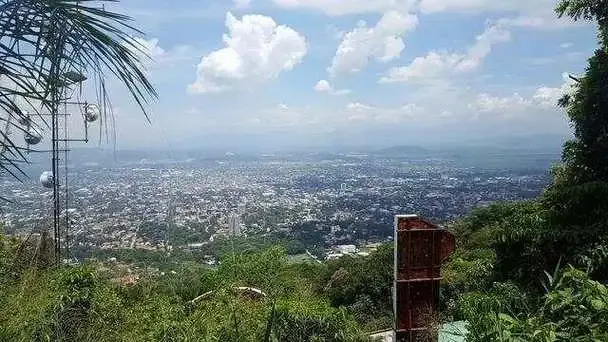
The overall terrain of Central America is dominated by plateaus, mountains, and dense forests, traversed by a volcanic belt stretching over 1,300 kilometers. The fertile soils deposited by volcanic activity, combined with diverse rainfall and temperature conditions, create an ideal environment for growing high-quality coffee. In addition to Honduras, neighboring Costa Rica and Panama have also become key players on the global specialty coffee map, benefiting from similarly exceptional conditions.
Honduras’ coffee industry started relatively late. Historical records indicate that coffee was introduced by Spanish merchants in the late 18th century, but initial cultivation was limited to small-scale trials. Due to the long growth cycle of coffee trees and slow returns, many local farmers at the time still relied on other cash crops as their primary source of income. It wasn’t until years later, with gradual improvements in planting techniques and market demand, that Honduras’ coffee industry began to develop steadily.
In 1970, the Honduran Coffee Institute (IHCAFE) was officially established to improve overall coffee quality. Based on geographical and microclimatic differences, it divided the country into six major coffee-growing regions. However, due to limited transportation and competition from neighboring countries, Honduran coffee was primarily consumed domestically for a long time. It wasn’t until 2001, when road and logistics infrastructure gradually improved, that coffee exports began to surge, eventually replacing other crops and becoming an important pillar of the country’s economy.
More than three-quarters of Honduras’ land consists of mountains or plateaus, with mountain ranges extending from west to east. The inland areas feature vast lava plateaus and intermountain valleys, while the coastal regions are characterized by plains. About half of the country is covered by forests. Honduras has a tropical climate, with coastal areas exhibiting a typical tropical rainforest climate and an average annual temperature of around 23°C — perfect for growing coffee, a crop with strict requirements for temperature variation and soil.
The Honduran Coffee Institute (IHCAFE) has designated six major coffee-producing regions: Copan, Opalaca, Montecillos, Conayagua, Agalta Tropical, and El Paraiso. Among these, the Conayagua region has garnered significant attention in recent years due to its repeated successes in international evaluations.
Located in western-central Honduras, the Conayagua region sits at the border between Comayagua Province and Francisco Morazán Province. Its terrain includes pine savannas, high mountains, marshes, and tropical rainforests, with cultivation altitudes generally ranging between 1,100 and 1,700 meters. Annual rainfall reaches 1,350 to 1,700 millimeters, providing ideal growing conditions for coffee trees. The coffee produced here often features distinct lemony notes, sweet and layered fruit aromas, a creamy and rich mouthfeel upon entry, a blend of citrus-like brightness, and a soft chocolate finish, all of which are highly favored by international buyers.
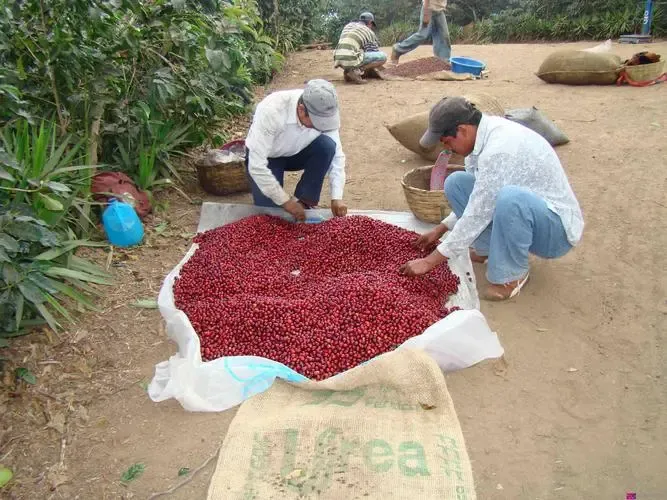
In the 2023 COE Cup of Excellence competition, El Gravileo Farm from the Conayagua region achieved excellent results with a remarkable score of 88.07, ranking 18th and becoming the only farm from the region to win that year. The owner of the farm, Lester Marquez, initially took over a plot of land with only a few oak trees, which he later gradually transformed into a coffee and crop plantation. In the early stages, he planted the Parainema variety, but since this variety is suited to medium-to-low altitudes and El Gravileo Farm sits at nearly 1,800 meters, he later switched to the Typica variety, which is better adapted to high-altitude cultivation.
Through collaboration with international traders, El Gravileo Farm gradually attracted the attention of overseas specialty coffee buyers. These buyers spoke highly of the coffee’s quality, further encouraging the farm owner to participate in the COE competition. For Lester, winning on his first try was not only an honor but also laid a solid foundation for future quality improvement and sustainable farm management. He stated that the funds acquired through the auction would help further invest in farm facilities and cultivation techniques, with the goal of achieving even greater heights in coffee flavor performance in the coming years.
The above content is compiled by CoffeeHunters, a coffee news website.


