








Introduction:Americano is one of the most common types of black coffee, yet many people still have only a vague understanding of how to judge the quality of a good cup. This article starts with the origins of the Americano, delves into its preparation methods and quality variations, and provides practical evaluation criteria from three key dimensions: aroma, taste, and aftertaste. Drawing on professional experience, it also explains that the extraction of espresso and the quality of the beans are the core factors determining the flavor of an Americano, helping you order a truly delicious one.
Americano has long been an indispensable part of many people’s daily lives, whether for a caffeine boost, thirst quenching, or simply enjoying the aroma of coffee. This beverage, made by diluting espresso with water, has become one of the most widely consumed black coffees globally thanks to its affordable price and quick service. But when we pick up a cup of Americano, can we tell whether it’s good or not? And from which aspects should we evaluate its flavor performance? This article will take you through a tasting perspective to deeply understand the key elements of a high-quality Americano.
Americano, known in English as Americano, is said to have originated during World War II when American soldiers found it hard to accept the strong taste of Italian espresso (espresso), so they chose to dilute it with water, accidentally creating a smoother drink that still retained the coffee aroma. Over time, this "watered-down espresso" gradually became popular around the world and is now a basic menu item in many cafés.

In cafés, the method of making Americano may vary slightly—some brew the espresso first and then add water, while others pour hot water first and then add the espresso. But essentially, it is a mixture of espresso and hot or iced water. Generally speaking, the coffee concentration of an Americano falls between 7% and 12%, depending on the shop’s recipe and cup size. In addition, the water temperature setting also affects the taste, ranging from 60°C to 70°C for immediate drinking, to 80°C to 90°C to prevent rapid cooling when taken out in winter, or even using boiling water directly. However, these details are not the main factors causing differences in Americano flavor.
Since Americano is made of espresso and water—and water itself is flavorless—the key factors affecting the quality of an Americano naturally lie in the quality of the espresso and the extraction method. If you’ve ever taken a sip of an Americano that made you frown, the problem likely lies in the type of coffee beans used, the roast level, and the barista’s extraction technique. Only after understanding these basics can we further explore what makes a truly good cup of Americano.

If we temporarily set aside individual taste preferences and judge solely based on flavor performance, a high-quality Americano coffee should possess the following three core qualities: a smooth mouthfeel and pleasant aftertaste, good balance in taste, and clear yet not bland aroma expression.
1. Smooth, pleasant aftertaste
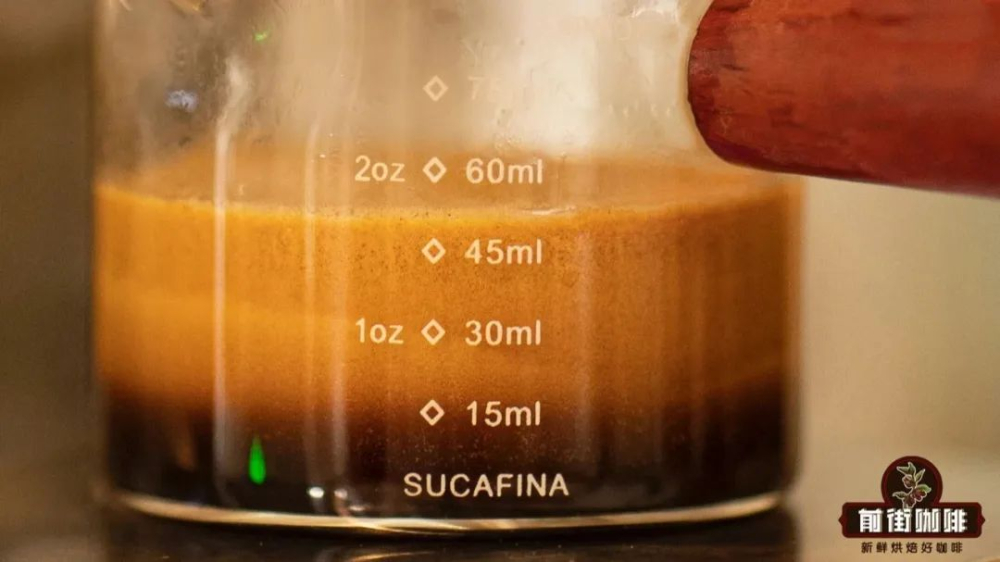
A standard Americano usually has a layer of golden fine foam on the surface, known as crema. This layer of oils not only affects the tactile sensation upon drinking but also adds aromatic layers to the olfactory experience and is one of the important indicators of coffee freshness. To ensure stable espresso extraction and preserve rich oils and aromas, most cafés still choose medium to dark roasted beans to make Americano.
Compared to the bright fruit acidity and diverse flavors often found in light roasts, dark roasts typically exhibit richer notes such as caramel, chocolate, cocoa, cream, and nuts. This type of Americano places more emphasis on overall body, smoothness, and aftertaste sweetness. Therefore, a good Americano should feel smooth upon entry, without any dryness, roughness, or throat irritation upon swallowing. If you immediately detect a burnt taste or uncomfortable burning sensation, the quality of that Americano may be questionable.
2. Balanced taste, not overly bitter or sour
Since espresso is extracted under high pressure, the various flavors in the coffee are concentrated and amplified, whether good or bad. Therefore, when espresso is diluted with water to make Americano, maintaining flavor balance becomes the key to judging its quality. An ideal Americano should not be excessively bitter or sharply acidic, but rather present a harmonious balance of sweet, sour, bitter, and umami, resulting in a rounded and enjoyable overall taste.
3. Aromatic, not bland
During the coffee extraction process, controlling the extraction yield is crucial. Under-extraction leads to bland flavors, while over-extraction can easily produce off-flavors and astringency. For Americano, which requires dilution with water, its flavor mainly comes from those few dozen milliliters of espresso base, making aroma expression especially important.
For example, if using a blend with notes of vanilla, cream, chocolate, berries, and fermented wine, the barista must ensure that after adding water, these flavors remain clear and identifiable, with an overall balance that retains their distinct characteristics. Only then can it be said that this Americano truly showcases the potential of the coffee beans and delivers a satisfying drinking experience.
In summary, a delicious Americano coffee should have a smooth mouthfeel, balanced sweet, sour, bitter, and umami notes, and clear yet not cloying aroma expression. When ordering at a café, pay attention to the coffee’s crema layer, whether the aroma is enticing, and whether the taste is smooth with a clean aftertaste. Mastering these tasting points will help you easily distinguish an Americano that’s truly worth savoring.
The above content is compiled by CoffeeHunters, a coffee news website.


