








Introduction:Smoky flavors are a key focus for many coffee enthusiasts during tasting, but did you know they are closely related to the degree of roasting? This article delves into how smoky notes develop in coffee beans during the roasting process, compares the distinct differences between dark and light roasts, and introduces the unique flavor characteristics of charcoal-roasted coffee. By examining the critical changes at various roasting stages, it helps you more accurately grasp the principles behind coffee flavor formation.
When tasting coffee, have you ever noticed that unique smoky aroma? This flavor often evokes the richness of dark roasted coffee, but its formation is actually closely tied to the entire roasting process. To understand the origin of smoky notes, we need to start with the physical and chemical changes that occur in coffee beans during roasting.
Green coffee beans contain a significant amount of moisture, which gradually turns into steam as heat is applied. At the beginning of roasting, the internal structure of the beans is tight, acting like a barrier that prevents steam from escaping easily—it becomes trapped inside and accumulates continuously. As the roaster temperature rises and the roasting time extends, the pressure of this steam increases until the beans can no longer withstand it, leading to the first crack—commonly referred to in the industry as the "first pop."
The first pop is not only a crucial milestone in the maturation of coffee beans but also a key moment when smoky flavors may begin to emerge. When the internal pressure of the beans exceeds its limit and they burst, the silver skin (the thin outer membrane of the coffee bean) also peels off in large amounts, releasing a significant amount of smoke at the same time. This is why many people directly associate smoky flavors with the roasting process.
It’s worth noting that from the first pop onward, roasters can choose to continue roasting or stop at that point based on the desired flavor profile. If they opt to extend the roast into the second crack or even further, the coffee beans will exhibit deeper charcoal-roasted characteristics, and the smoky notes will become more pronounced. Therefore, the intensity of smoky flavors is directly related to the duration and temperature control of the roast.
Compared to dark roasted coffee, light roasted coffee typically retains more of the beans’ original flavor characteristics, including floral and fruity notes and layers of acidity, while smoky flavors are relatively less prominent. Light roasts have shorter roasting times, usually ending in the early or mid stages of the first pop, when the internal moisture and volatile compounds in the beans have not yet fully transformed. As a result, the flavor tends to lean toward freshness and brightness.
In contrast, dark roasted coffee continues heating after the first pop, sometimes even entering the second crack stage, which leads to further breakdown and recombination of organic substances within the beans, producing richer caramel, chocolate, and smoky flavors. These coffees often have a fuller body, a pronounced bitterness, and thus are more likely to showcase smoky traits.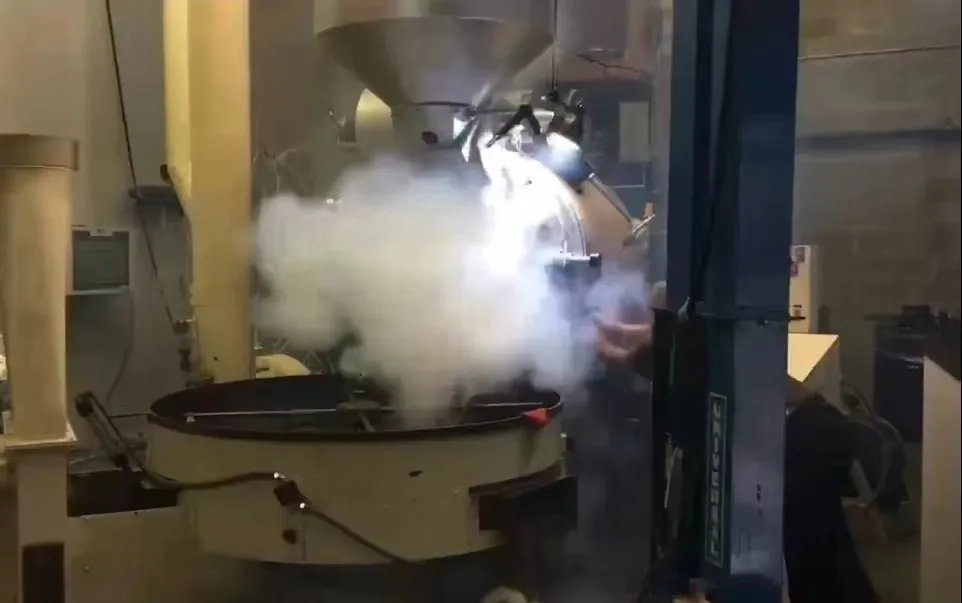
Particularly noteworthy is charcoal-roasted coffee—a roasting style deliberately designed to enhance smoky and charred flavors. Typically, roasters will take the beans to near or into the second crack stage, resulting in a darker bean surface and the release of intense smoky and charred aromas. These coffees often yield rich roasted notes and deep aftertastes when brewed, making them especially popular among those who prefer bold flavors.
In summary, the formation of smoky flavors is inseparable from the temperature, time, and physical changes of the beans during the roasting process. Whether you prefer the bright fruitiness of a light roast or the bold smokiness of a dark roast, understanding the principles behind these roasting methods can help you make more precise judgments when selecting and evaluating coffee.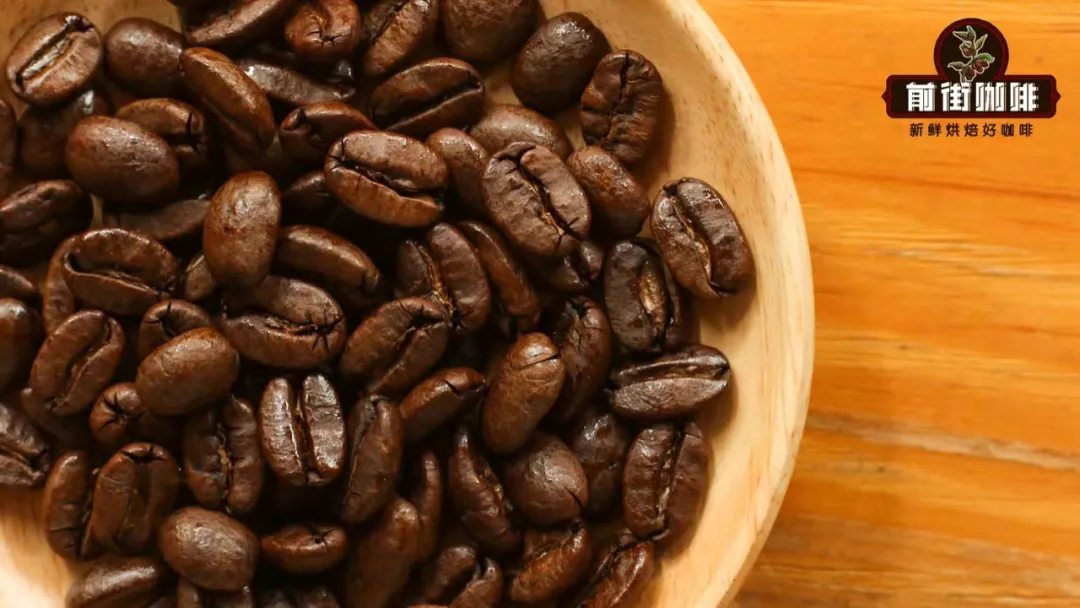

The above content is compiled by CoffeeHunters, a coffee news website.


