







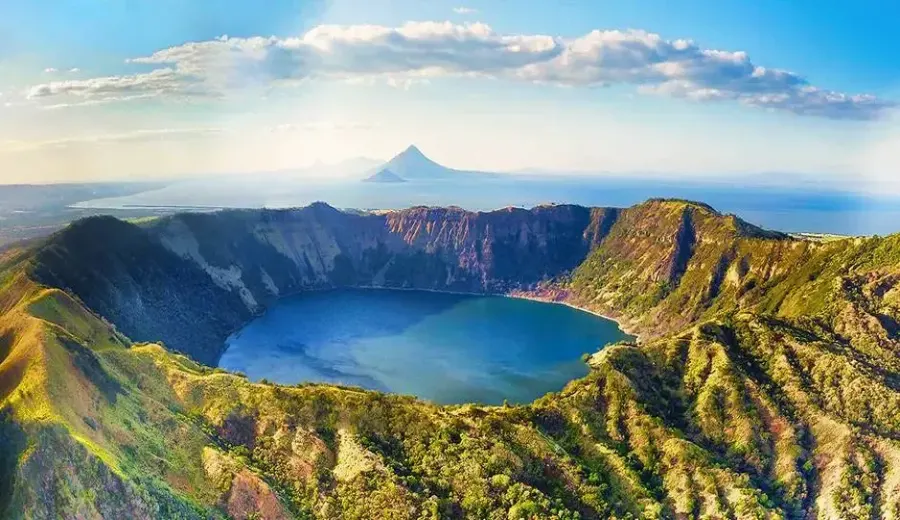
Introduction:Visit the Nueva Segovia region in northern Nicaragua to discover how this high-altitude area, ranging from 1100 to 1650 meters above sea level, nurtures specialty coffees with outstanding sweetness and complex flavor profiles, thanks to its volcanic soils and low-humidity environment. This article delves into the region’s geographic advantages, climate characteristics, and the farming secrets behind its consecutive COE competition victories, offering insight into the roots of coffee flavor from the origin.
Agriculture is the economic backbone of Central America, and the region’s unique terrain and volcanic activity have created an environment highly suitable for coffee cultivation. Although Nicaragua may not be as well-known as Costa Rica or Panama, its coffee-growing conditions are equally exceptional—especially in the northern Nueva Segovia region, which has achieved remarkable success on the international stage in recent years.
Located at the border between Nicaragua and Honduras, Nueva Segovia is one of the country’s highest-altitude coffee-growing areas, with plantations situated approximately between 1100 and 1650 meters above sea level. The high elevation, combined with relatively low humidity, facilitates effective sugar accumulation in coffee cherries. Coupled with mineral-rich volcanic soils and a natural environment covered by rainforests, the coffees from this region generally exhibit pronounced sweetness and complex aromatic layers.
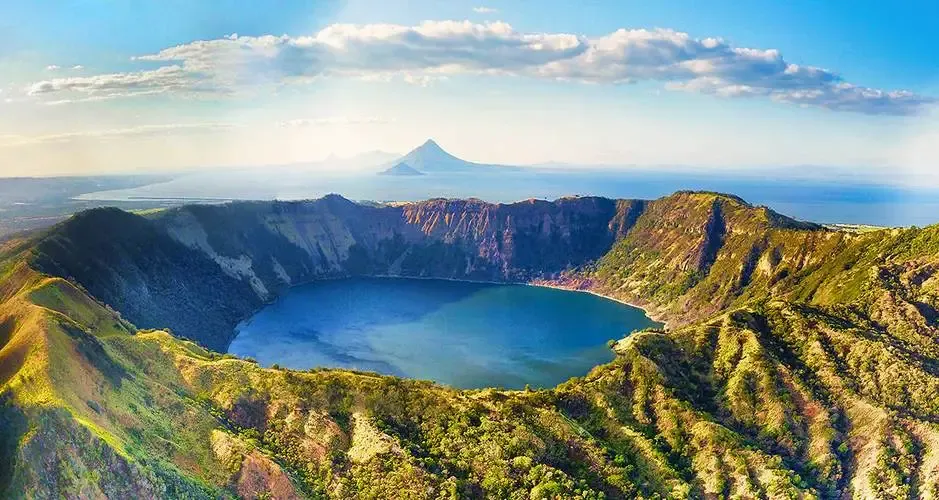
Nicaragua’s overall terrain is dominated by plateaus and mountains, with numerous volcanoes and lakes that provide diverse microclimates for agriculture. The central and northern highlands are the main coffee-producing areas, divided into three key regions: Jinotega, Matagalpa, and Nueva Segovia. Among them, Nueva Segovia, due to its proximity to Honduras and unique climatic conditions, has frequently ranked high in Nicaragua’s Cup of Excellence (COE) competitions in recent years, becoming a focal point for specialty coffee buyers and judges.
The microclimate of this region is tropical maritime, with an average annual temperature of about 18°C and annual rainfall ranging from 1500 to 2500 millimeters, concentrated during the rainy season from May to December. Such climatic conditions, paired with the high-altitude environment, not only slow down the ripening process of coffee cherries but also promote the accumulation of flavor compounds, enabling the beans to showcase richer fruit acidity, caramel sweetness, and delicate spice notes after processing.
Nicaragua’s coffee cultivation history dates back to the mid-19th century, when the first coffee trees were introduced by European colonists, primarily planted in the plains near the Pacific Ocean. However, political turmoil and civil war in the late 20th century, along with Hurricane Mitch in 1998, severely damaged the country’s coffee infrastructure and hindered industry development. Subsequent droughts and the global coffee price crash in the early 2000s forced many farmers to abandon coffee in favor of other cash crops.
It wasn’t until 1999–2003, with the support of cooperatives, that Nicaragua’s coffee industry gradually recovered. These cooperatives not only rebuilt processing facilities but also provided farmers with technical training, established strict quality control processes, and supported small-scale growers through stable sales channels. Today, this cooperative-led business model has become a cornerstone of Nicaragua’s stable output of specialty coffee.
Among the many excellent farms in Nueva Segovia, the Los Suyates farm stands out remarkably. Currently managed by Leticia Milagros Gonzalez Morazan, the farm is planted at elevations between 1440 and 1700 meters, benefiting from exceptionally favorable environmental conditions. In addition to growing coffee, the farm cultivates other crops and employs shade-grown planting methods, which not only regulate the ripening pace of coffee cherries but also help maintain biodiversity and provide habitats for wildlife.
Los Suyates farm has participated in Nicaragua’s COE competition since 2021, winning the championship in 2022. This achievement not only brought international exposure to the farm but also secured additional resources for quality improvement and infrastructure upgrades. In 2024, the farm once again demonstrated its strength, securing second place with outstanding flavor performance, proving its continuous refinement in cultivation and post-harvest techniques.
For coffee enthusiasts, beans from the Nueva Segovia region are generally well-suited for pour over or drip brewing methods. It is recommended to use a medium-light roast, with a brewing water temperature of 90–93°C and a coffee-to-water ratio of 1:15 to 1:16, to fully highlight its bright acidity and delicate sweetness. If you enjoy coffees with complex flavor layers and a lingering finish of caramel and nut tones, Nueva Segovia is definitely worth adding to your coffee selection.
The above content is compiled by CoffeeHunters, a coffee news website.


