








Introduction:Water temperature is a key yet often overlooked variable that affects the flavor profile of pour over coffee. This article delves into the ideal water temperature ranges for light and dark roasted coffee beans, reveals how factors such as pouring height and equipment preheating influence the actual extraction temperature, and provides practical adjustment tips to help you precisely control water temperature and extract more balanced and complex coffee flavors.
Many pour over enthusiasts have encountered this issue: even when water quality, grind size, and brewing time meet the standards, the coffee flavor still feels incomplete or even under-extracted. The root cause of this problem often lies in the seemingly simple water temperature setting.
Coffee beans with different roast levels have vastly different density and structure, leading to distinct water temperature requirements.Light roast beans, due to their higher density, require a higher water temperature (around 91–93°C) to effectively extract flavor compounds.;In contrast,dark roast beans have a looser structure and are better suited for a lower water temperature (around 86–89°C)

to avoid the bitterness caused by over-extraction.
It’s worth noting that even if you choose the correct water temperature range, many details during the actual brewing process can still affect the final extraction temperature. Factors such as pouring height, heat dissipation from the spout of the pour over kettle, and the preheating level of the filter cone may cause the hot water to lose some heat before it even touches the coffee grounds, thereby altering the extraction effect.
To maximize the benefits of water temperature, it’s essential first to understand the basic principles of water temperature and extraction. The higher the water temperature, the stronger its dissolving power, enabling it to extract more flavor compounds from the coffee; conversely, the dissolving efficiency decreases. Lightly roasted coffee beans, due to their shorter roasting time and higher density, require a higher water temperature to fully extract their acidity, sweetness, and aroma; whereas dark roasted beans, having undergone prolonged roasting, have a more porous internal structure, so a lower water temperature can achieve the desired extraction effect.In practice,it’s recommended to fine-tune the water temperature based on the freshness of the beans and the coarseness of the grind
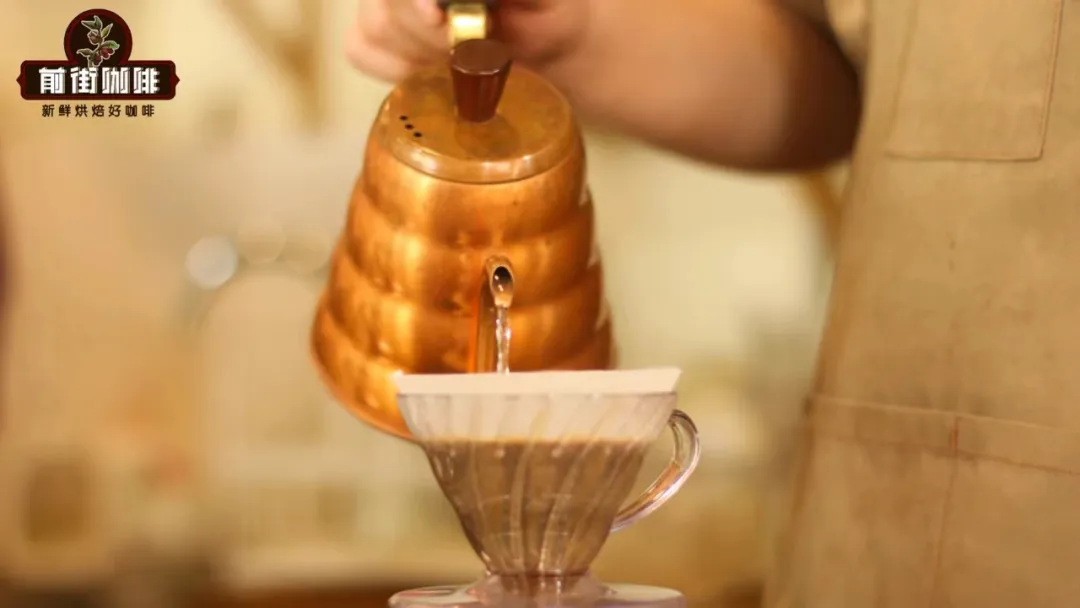
. For fresher beans or coarser grinds, you can appropriately increase the water temperature to enhance extraction efficiency; conversely, if the beans have been stored for a while or the grind is finer, you should lower the water temperature to avoid over-extraction.To ensure the set water temperature truly acts on the coffee grounds, there are several key details to pay attention to. The first is pouring height—it’s recommended to hold the kettle about a fist’s distance above the coffee bed
. Pouring from too high will cause the hot water to come into contact with air as it falls onto the coffee layer, leading to temperature loss. This difference is especially noticeable in winter or air-conditioned environments.
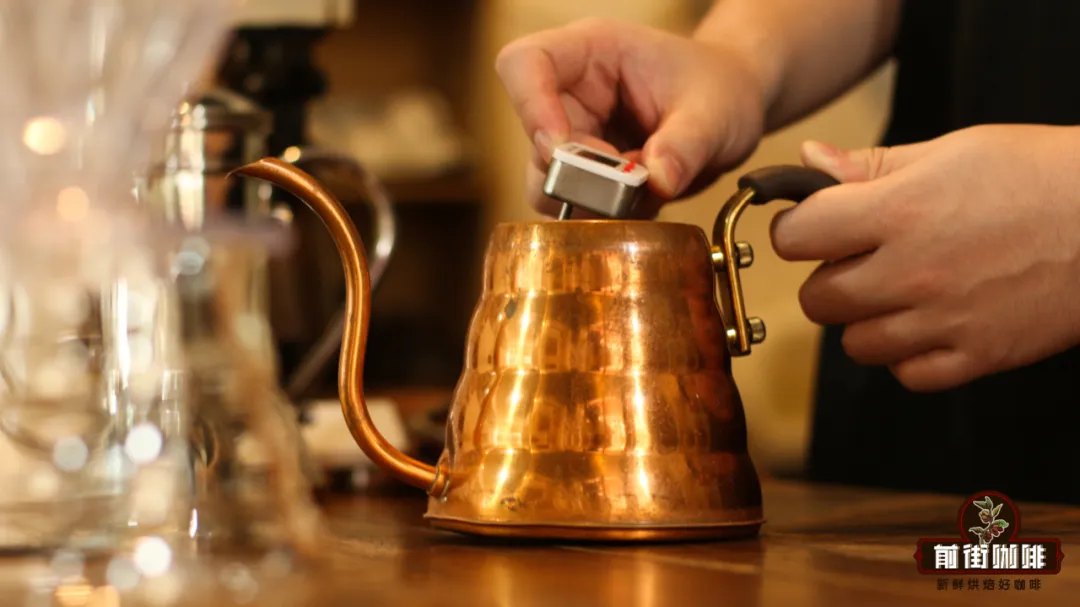
The second is equipment preheating. Many people tend to overlook the preheating steps for the pour over kettle spout and filter cone. Since metal spouts and ceramic filter cones absorb some heat when they come into contact with hot water, failure to preheat them in advance may result in the actual water temperature contacting the coffee grounds being 1–2°C lower than expected. It’s recommended to preheat the spout, filter cone, and filter paper with a small amount of hot water before brewing. This step not only stabilizes the water temperature but also ensures the filter paper lies flat against the filter cone, preventing uneven coffee extraction.Overall, precisely controlling the water temperature for pour over coffee requires considering multiple factors simultaneously, including roast level, grind size, pouring technique, and equipment condition.Mastering these details allows every cup of pour over coffee to deliver its optimal flavor performance
The above content is compiled by CoffeeHunters, a coffee news website.


