







Introduction:Although Fuzhou’s recent large-scale outdoor coffee market gathered over a hundred brands, the scorching heat of 30 to nearly 40 degrees Celsius significantly dampened what should have been a relaxing coffee gathering. This article delves into the actual conditions on the day of the event, including the cooling measures taken by the organizers, the real feedback from vendors and visitors, as well as practical details and common issues that should be considered when hosting outdoor markets in extreme weather.
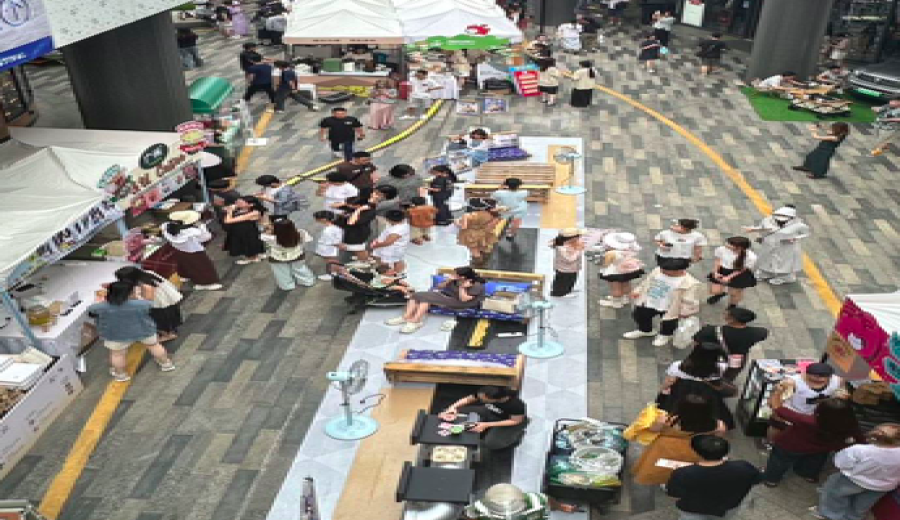
The weekend just passed saw Fuzhou host a major outdoor coffee market that attracted participation from over a hundred coffee brands. However, the sweltering heat, with temperatures soaring above 30 degrees and even approaching 40 at times, posed a serious challenge to what was meant to be a laid-back and enjoyable coffee event. Although the organizers adjusted the event time to run from 3:30 p.m. to 9:30 p.m. in an attempt to avoid the hottest hours of the day, the noticeable difference in perceived temperature still led to widespread dissatisfaction among both vendors and visitors regarding their overall experience.
It is understood that during the day of the event, temperatures in Fuzhou generally exceeded 30 degrees Celsius, with the midday peak reaching nearly 40 degrees. Out of concern for the health of participants, the organizers specifically moved the market to the evening hours, hoping to provide a more comfortable environment for tasting. As night fell and temperatures dropped slightly, foot traffic gradually picked up again, and live band performances added a cheerful atmosphere to the summer night, attracting many young people to visit in groups.
However, for some of the participating coffee vendors, the event setup proved to be quite challenging. The organizers divided the entire venue into an inner area and an outer area: the inner area, being close to the shopping mall, benefited from the slight coolness that seeped out when the mall doors were open, offering a bit of relief to nearby stalls and naturally drawing more visitors; in contrast, the outer area stalls enjoyed no such advantage, facing not only a stuffy environment but also additional heat emitted by equipment such as ice machines and refrigerators, making the baristas working behind the counters feel like they were in a “steam room,” often drenched in sweat after long hours of work, with a significant risk of heatstroke.
In response to the extreme heat, the organizers did implement measures such as watering down the area and adding fans to the outer section, but according to multiple vendors, these efforts had very limited effect and hardly helped disperse the oppressive heat. Some vendors, unable to bear the heat, even purchased and installed their own barriers to modify their workspaces, allowing them and their staff to seek temporary shelter and a bit of air conditioning in a small, partially covered area.
Not only were the vendors struggling, but many visitors also criticized the overall arrangement of the event. Some participants noted that due to the lack of shading in the outer area and the intense heat, most people preferred to crowd into the inner area where there was air conditioning and live music, resulting in consistently sparse crowds in the outer section. Additionally, although temperatures dropped somewhat in the evening, insufficient lighting in the outer area affected the overall ambiance and safety, further discouraging visitors from going there.
Food safety was also a major concern during the event. In high temperatures, ingredients such as fruits and milk can spoil quickly if not stored properly, which can negatively impact beverage quality and customer health. Some visitors pointed out that holding an outdoor market in such hot weather, without comprehensive heat prevention and cooling solutions, not only affects the experience of vendors and customers but also increases the risk of food spoilage, making it difficult for people to feel reassured about enjoying each carefully crafted cup of coffee.
In summary, while Fuzhou’s outdoor coffee festival successfully brought together numerous brands and enthusiastic attendees, under the extreme heat, there remains significant room for improvement in the organizers’ practical details such as on-site zoning, cooling equipment deployment, as well as lighting and signage systems. For future organizers planning similar outdoor markets, how to balance event creativity with the actual experience of participants—especially in the face of poor weather conditions—remains a crucial issue worth careful consideration.
The above content is compiled by CoffeeHunters, a coffee news website.


